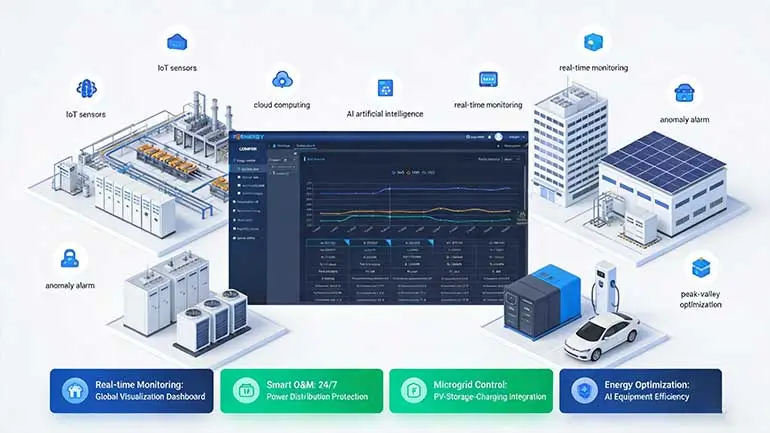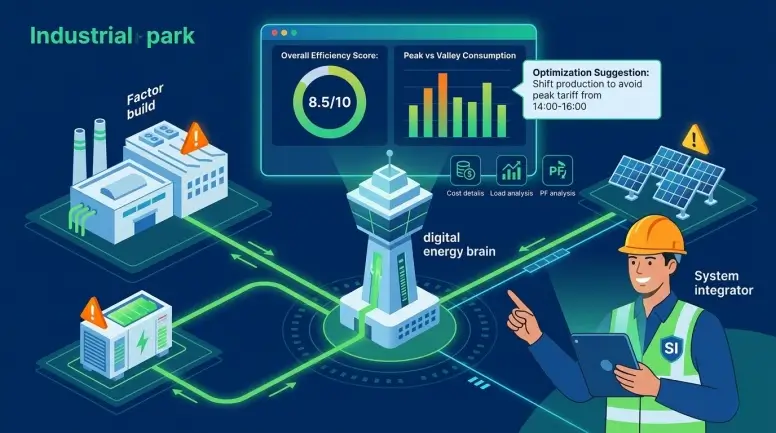

Microgrid systems, as a crucial solution for modern energy management, are penetrating various industries at an unprecedented pace. These small-scale power generation and distribution systems, capable of operating independently or connected to the main grid, are transforming traditional energy supply models. Below are 7 key industries that most require microgrid systems and their application scenarios.
Demand Analysis: Industrial manufacturing is a major energy consumer, with extremely high requirements for power supply continuity, stability, and cost control. Microgrid systems effectively address the following pain points:
Specific Application Scenarios:
Continuous Production Assurance: In industries such as steel, chemicals, and semiconductor manufacturing, power outages can result in losses of thousands of dollars per minute.
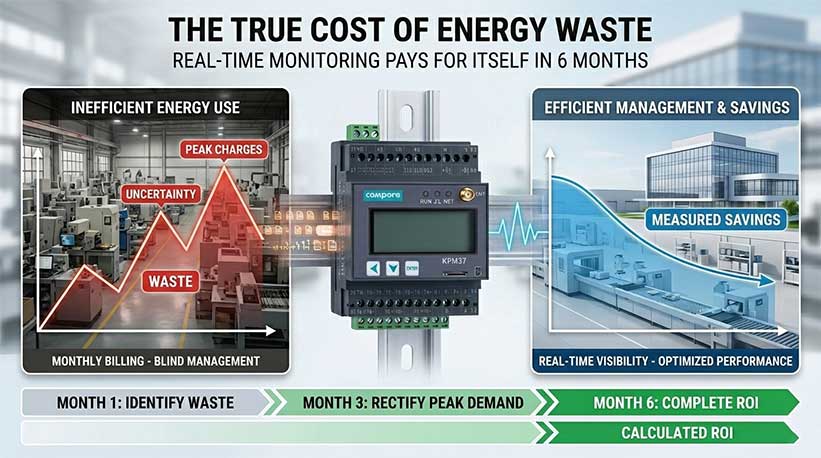
Energy Cost Optimization: Reduces electricity costs through peak-valley pricing and self-consumption.
Power Quality Improvement: Resolves power quality issues such as voltage fluctuations and harmonic interference.
Carbon Emission Reduction Requirements: Meets ESG (Environmental, Social, and Governance) reporting requirements.
Urgency Needs: Hospitals, clinics, and medical laboratories have "lifeline-level" requirements for power reliability; any power outage could endanger patient lives.
Key Applications:
Operating Rooms and Intensive Care Units: 24/7 uninterrupted power supply.
Medical Equipment Protection: Precision equipment such as MRI and CT scanners are extremely sensitive to power quality.
Vaccine and Drug Storage: Refrigeration systems require continuous and stable operation.
Emergency Response Capability: Independent operation capability during epidemics and disasters.
Data Support: According to medical industry standards, emergency and intensive care areas need power restoration within 2-5 seconds; the islanding capability of microgrids fully meets this requirement.
Industry Characteristics: In the digital age, data centers and communication networks are "never-sleeping" infrastructures, requiring 99.999% (five nines) of power availability.
Microgrid Value:
Reduced PUE (Power Usage Effectiveness): Improves energy efficiency through optimized energy mix.
Seamless Backup Power Switching: Microsecond-level switching time prevents data loss.
Edge Computing Support: Provides stable power to data centers in remote areas.
5G Network Deployment: Supports the power needs of high-density base stations.
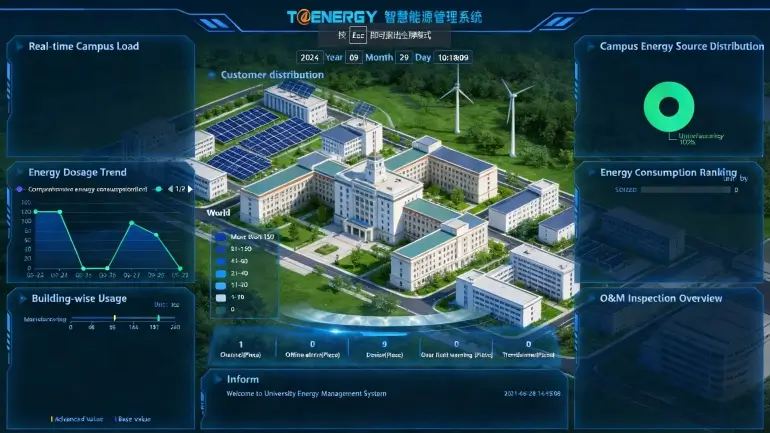
Campus Microgrid Advantages: University campuses and research parks offer spatial advantages, making them ideal locations for microgrid technology applications and research.
Application Features:
Teaching and Research Platform: Serves as a practical base for energy students.
Energy Efficiency Demonstration Project: Showcases the effects of renewable energy integration.
Emergency Shelter Function: Serves as a community emergency power center during disasters.
Long-Term Cost Control: Locks in energy costs, facilitating budget management.
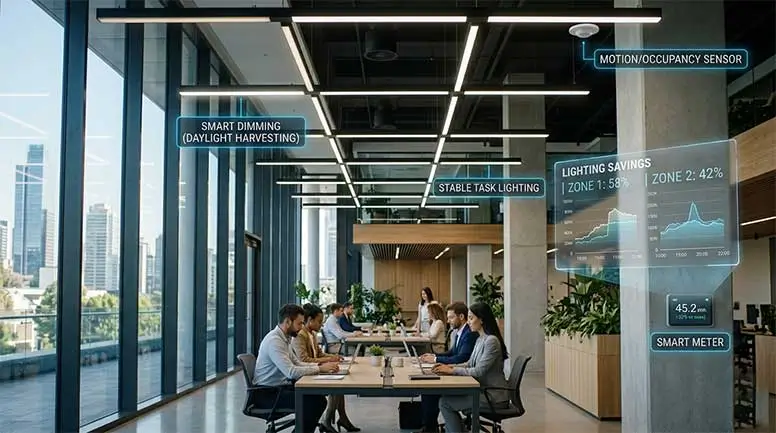
Business Drivers: The deployment of microgrids in commercial facilities such as office buildings, shopping malls, and hotels is primarily based on economic and brand considerations.
Core Values:
Operational Continuity Guarantee: Avoids revenue loss due to business interruptions.
Green Building Certification: Earns points for LEED, BREEAM, and other certifications.
Tenant Attractiveness: Providing stable, green electricity is a rental advantage.
Electricity Market Participation: Profits through demand response participation in grid services.
Return on Investment: Commercial building microgrids typically recoup investment in 3-5 years, subsequently generating continuous energy savings.
Industry Specificity: The agriculture and food industries are often located at the end of the grid, with poor power supply reliability, but have abundant biomass energy resources available.
Microgrid Application Directions:
Irrigation System Power Supply: Ensures agricultural water supply and copes with drought.
Cold Chain Logistics: Maintains the low-temperature environment for food processing, storage, and transportation.
Biomass Energy Utilization: Converts agricultural waste into energy.
Power Supply for Remote Farms: Solves the problem of insufficient coverage by the main grid.
Policy Support: Many countries provide subsidies for agricultural microgrids, especially projects combined with renewable energy.
Essential Application Scenarios: For geographically isolated areas, microgrids are often not an "option" but a "necessity."
Key Roles:
Reducing Energy Costs: Replacing expensive diesel generators
Improving Quality of Life: Achieving 24-hour power supply, supporting healthcare and education development
Renewable Energy Integration: Fully utilizing local solar, wind, and tidal energy resources
Disaster Resilience: Rapidly restoring power supply after climate disasters
Conclusion: Microgrid systems have moved from pilot demonstrations to large-scale applications, providing energy security, economy, and sustainability to various industries. Whether it's industrial enterprises seeking continuous production, medical institutions requiring life-supporting electricity, or remote communities seeking energy independence, microgrids offer customized solutions. With declining technology costs and strengthened policy support, microgrids are expected to become standard equipment in more industries within the next 5-10 years, driving the global energy transition.
Have you any problem, please contact us via message