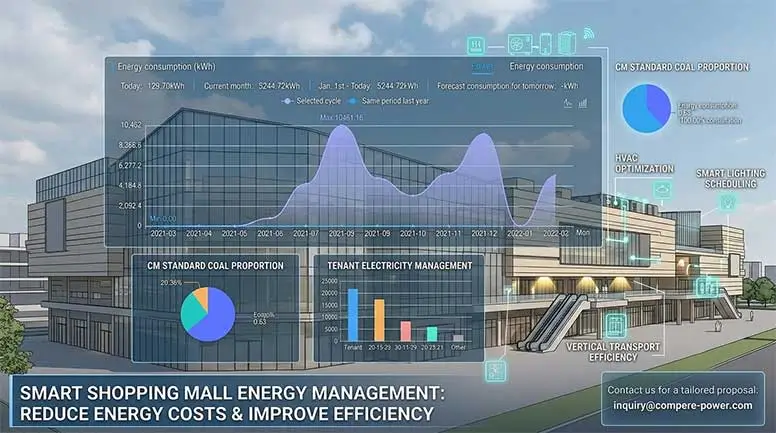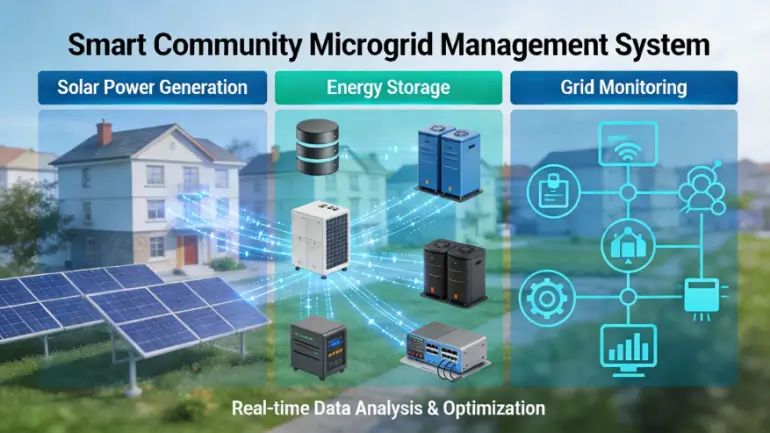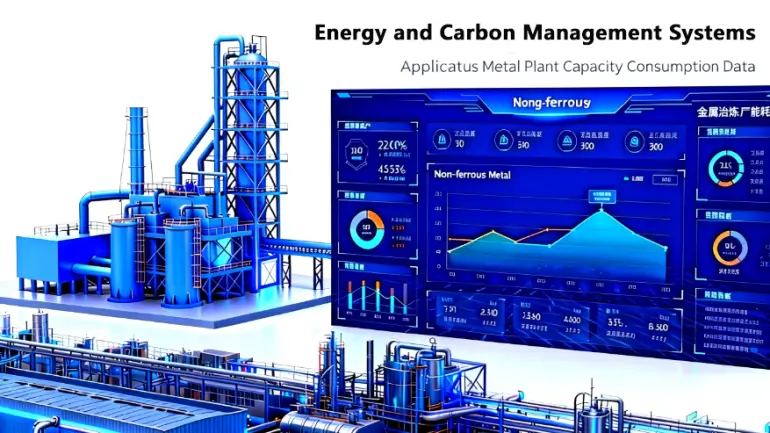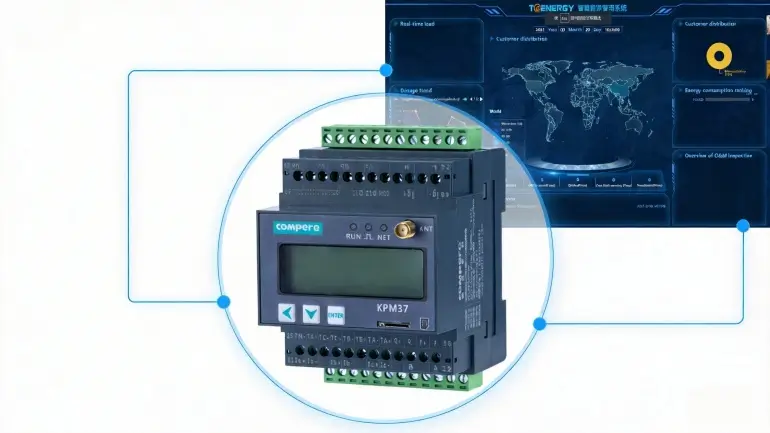

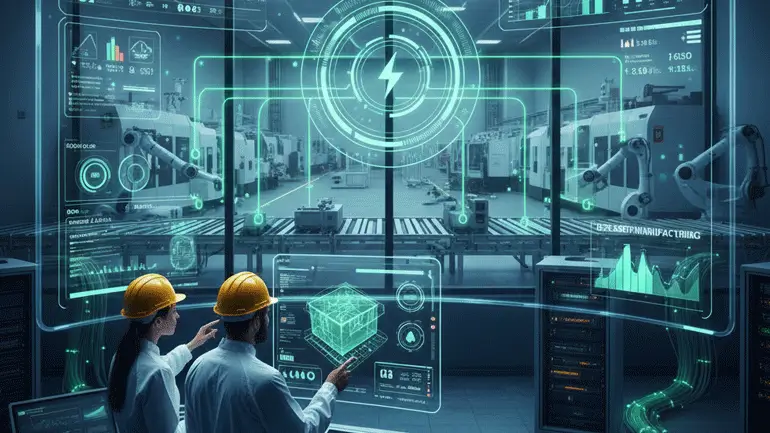
An Industrial Energy Management System (IEMS) is a technology platform based on the Internet of Things (IoT) and big data analytics. It monitors the consumption of various energy sources such as electricity, water, gas, and heat in real time, transforming fragmented energy data into visualized management indicators to help enterprises identify energy consumption loopholes and optimize energy allocation.
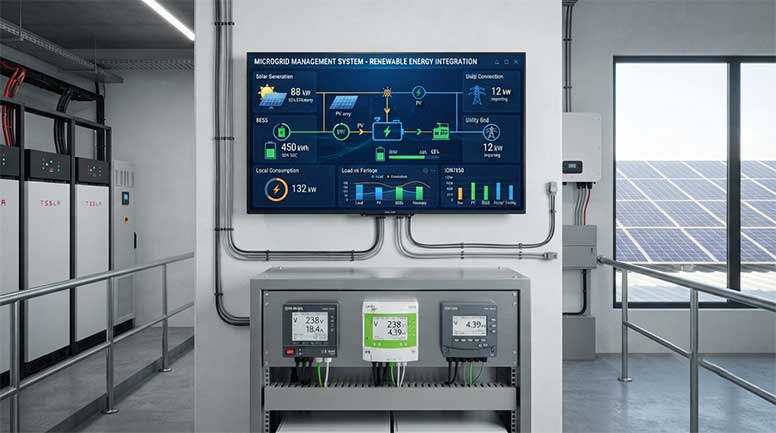
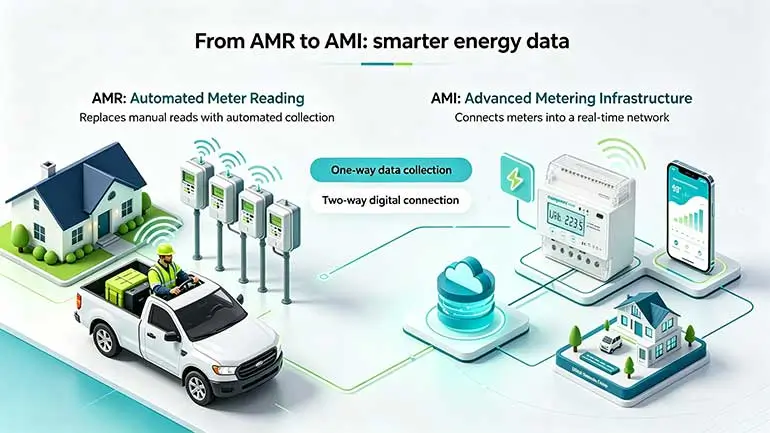
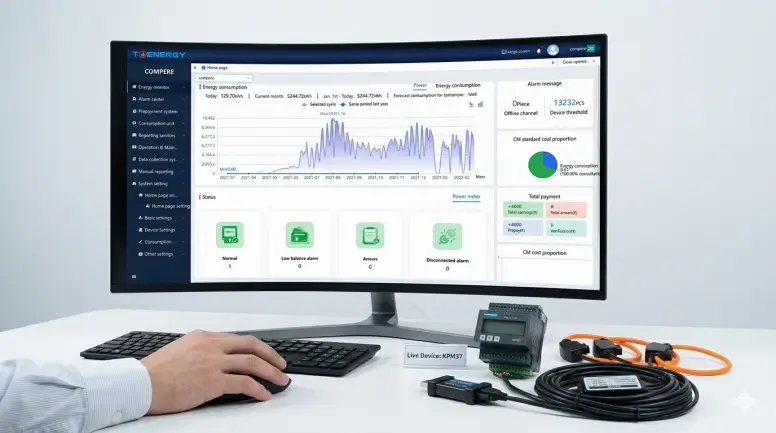
Real-time Energy Consumption Monitoring and Digital Dashboards: Traditional manual meter reading is prone to delays and errors. IEMS achieves second-level data acquisition, allowing managers to monitor energy flow across the entire plant, workshops, and even individual devices in real time via a digital dashboard.
Energy Efficiency Bottleneck Analysis and Diagnosis: The system uses historical data to build energy efficiency models. When the energy consumption of a production line abnormally increases, the system automatically issues a warning, helping engineers pinpoint whether it's due to equipment aging, process parameter deviations, or idling waste.
Demand-Side Response and Load Balancing: During periods of high and low electricity demand, the system can assist enterprises in "peak shaving and valley filling," reducing basic and peak electricity costs by optimizing the start-up time of high-energy-consuming equipment.
Carbon Footprint Tracking and Compliance Reporting: With increasing requirements for carbon taxes and green supply chains, IEMS can automatically generate carbon emission reports, providing authoritative data support for enterprises to comply with regulations and obtain green financial support.
In terms of economic benefits, by optimizing scheduling and eliminating energy waste, enterprises can typically reduce overall energy costs by 5% to 15%, directly increasing profit margins.
From an operational perspective, the system reduces a significant amount of manual inspection work and can perform predictive maintenance on equipment based on abnormal energy consumption fluctuations, effectively avoiding unplanned downtime and extending the lifespan of core assets.
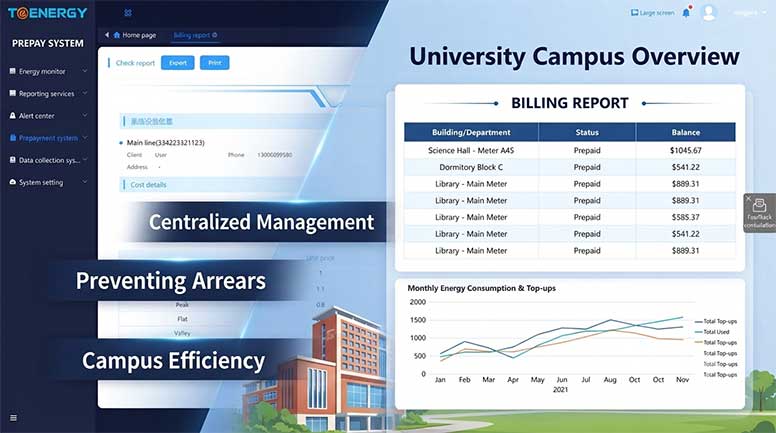
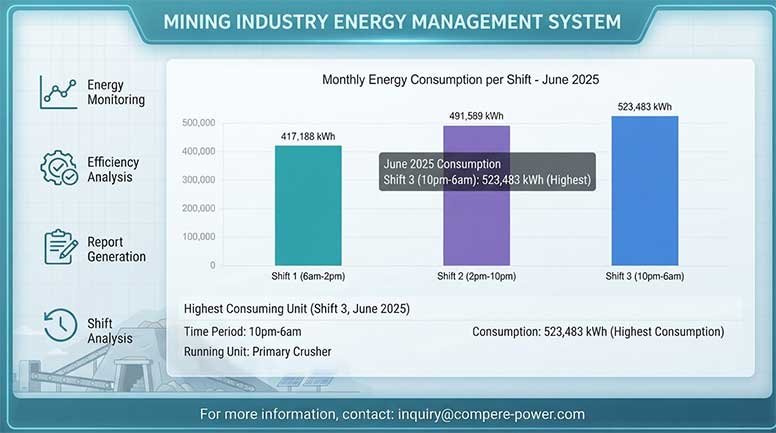
At the management decision-making level, it accurately allocates energy costs to each production shift or product order. This shift from "experience-based management" to "data-driven management" makes enterprise performance evaluation and cost control more fair and transparent.
Finally, in terms of brand and compliance, this system can significantly improve an enterprise's performance in ESG (Environmental, Social, and Governance) ratings, helping enterprises gain an advantage in international supply chain competition.
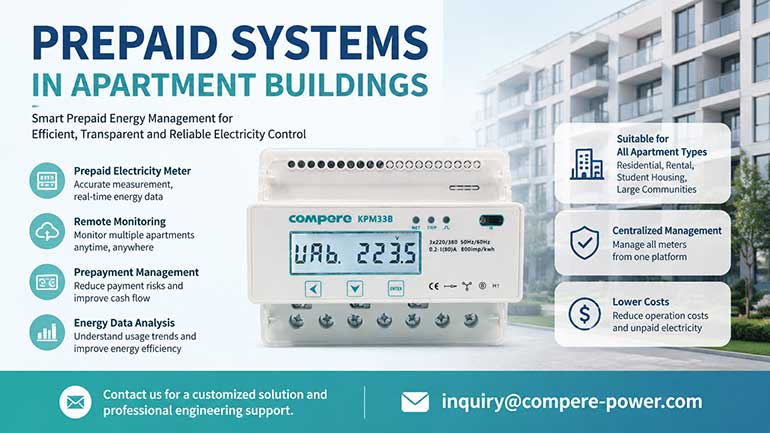
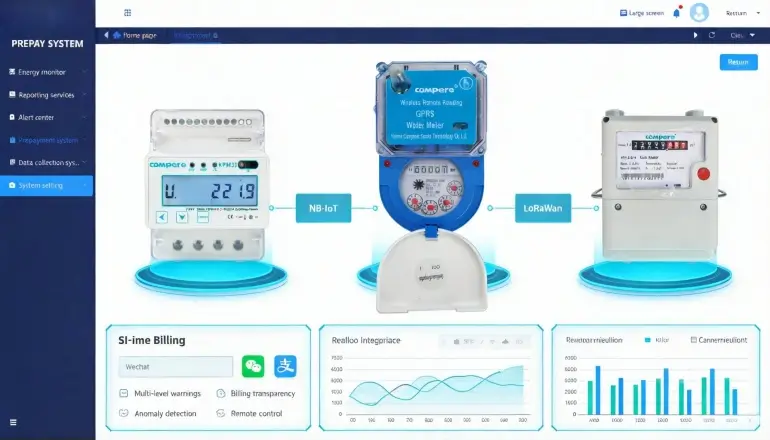
Installation Layer: Install smart meters, flow meters, and sensors to complete the physical networking of the energy pipeline network.
Data Integration Layer: Integrate energy consumption data with the Manufacturing Execution System (MES) or ERP system to calculate the actual energy consumption per unit product through data correlation.
Intelligent Analysis Layer: Introduce AI algorithms and combine them with production plans to predict future energy demand, achieving optimal matching between energy supply and production rhythm.
The application of industrial energy management systems is essentially an evolution in management granularity. In the Industry 4.0 era, whoever can more precisely control energy will gain higher profit margins and sustainable growth momentum in the competition.
Have you any problem, please contact us via message