
In commercial real estate operations, energy costs are typically the second largest expense after labor. With the advancement of dual-carbon goals, an efficient EMS (Energy Management System) solution has become a core tool for office buildings, shopping malls, and hotels to enhance their competitiveness.
Unlike ordinary residential buildings, commercial buildings are characterized by large-scale electricity consumption, numerous devices, and strong load fluctuations. The core value of an EMS solution lies in solving the following three problems:
Visibility: Achieving separate metering and real-time monitoring of energy consumption such as electricity, water, and gas, making every penny traceable.
Control: Reducing inefficient operation of high-energy-consuming equipment such as air conditioning and lighting through automation strategies.
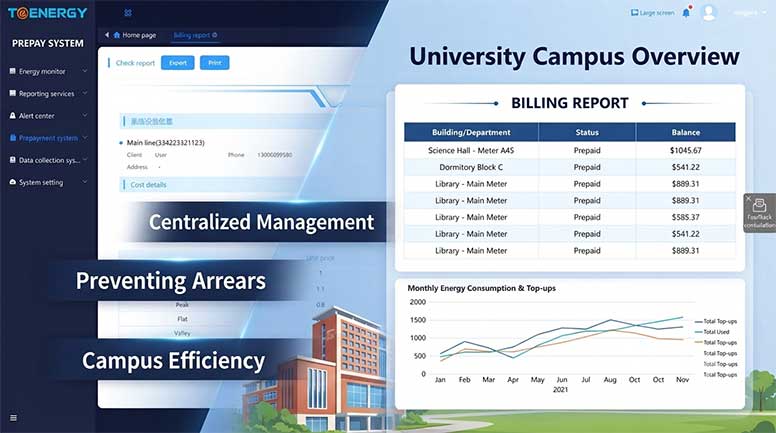
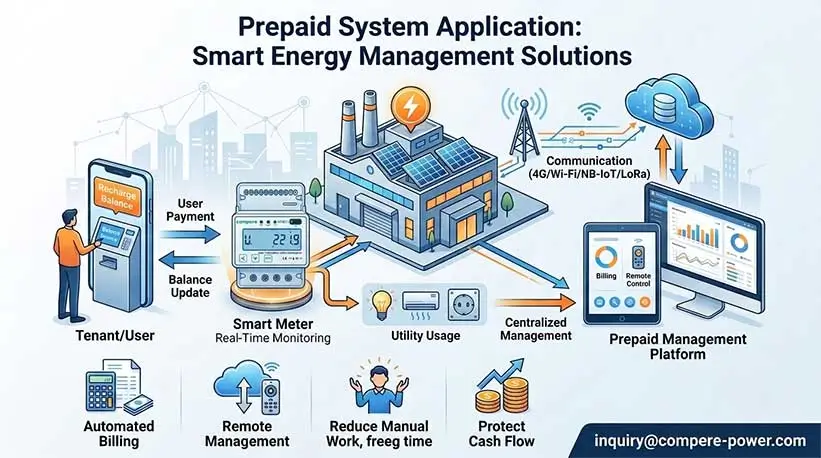
Accuracy: Providing accurate billing support for different tenants and simplifying property collection processes.
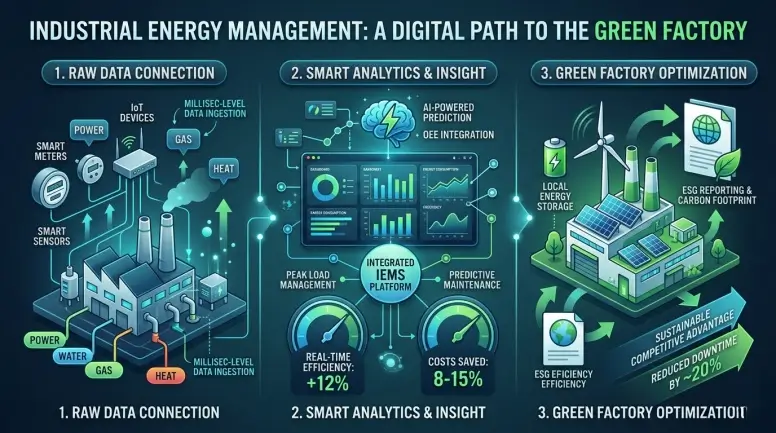
A mature commercial building EMS solution mainly consists of three parts:
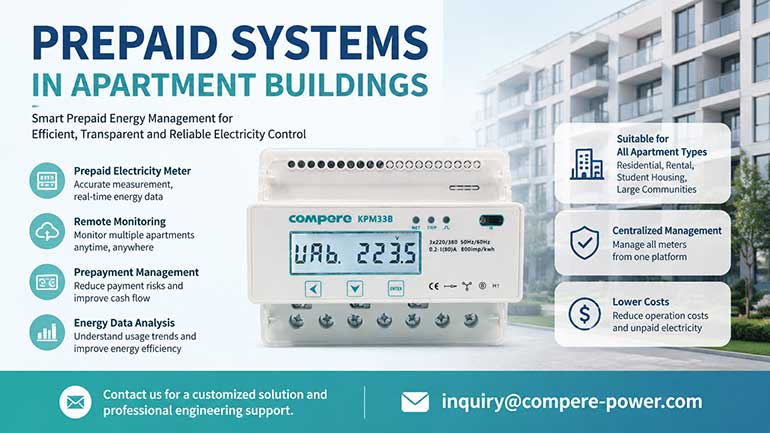
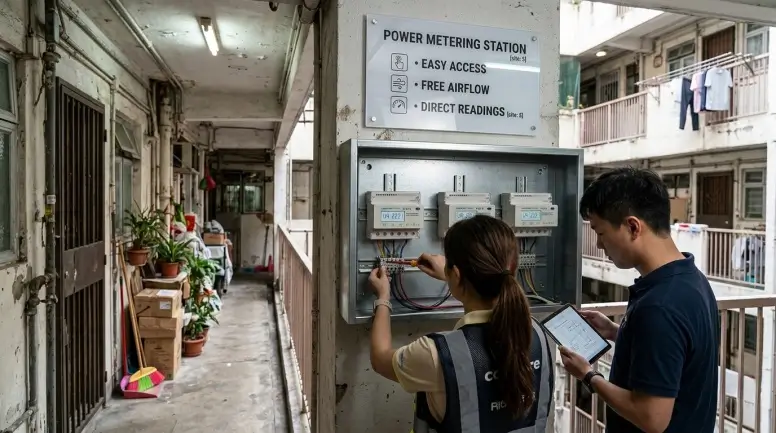
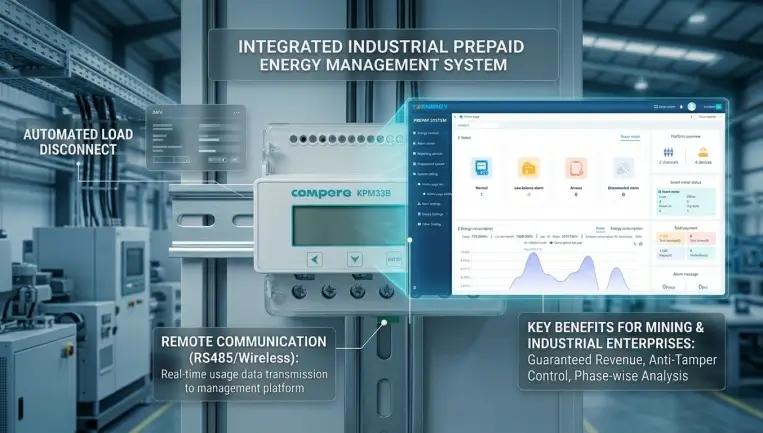
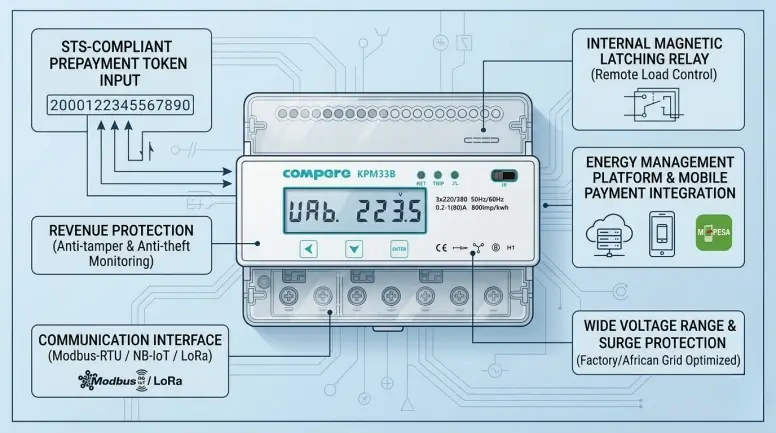
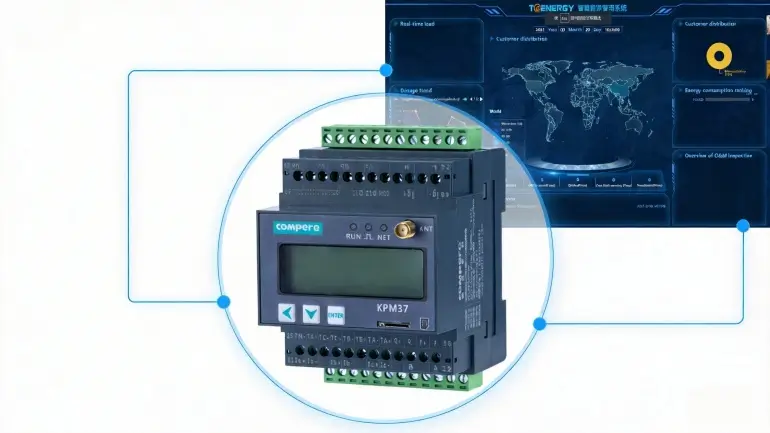
End-point sensing: Smart energy meters and sensors are installed in distribution boxes, air conditioning units, and pump rooms to collect voltage, current, and energy consumption data in real time.
Communication transmission: Utilizing existing building networks or wireless technologies (such as NB-IoT and LoRaWAN), data from distributed devices is aggregated to the cloud.
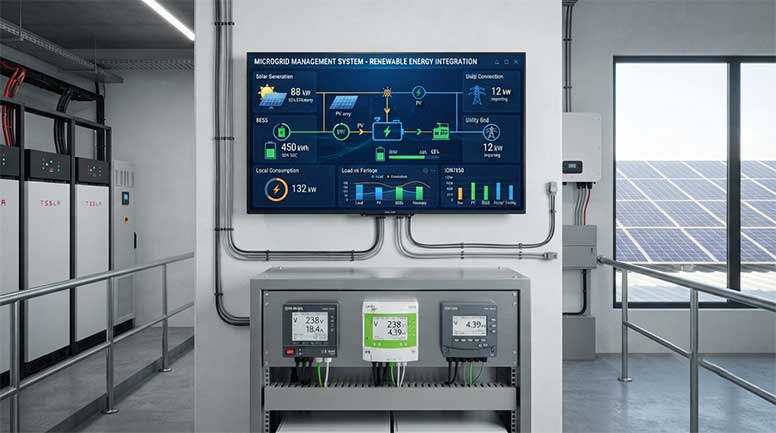
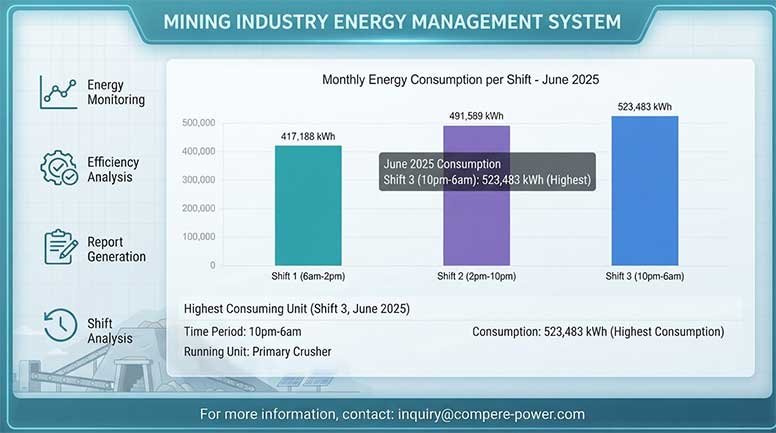
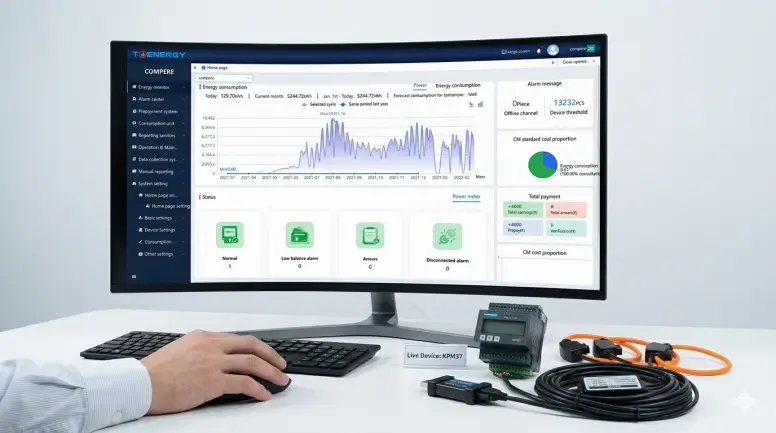
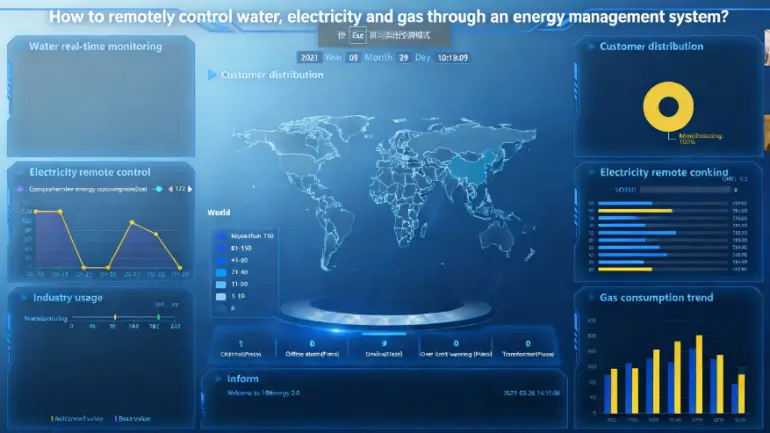
Management platform: Energy consumption trends, anomaly alarms, and energy-saving analysis reports are displayed through a large visual screen and a mobile app.
Air conditioning system optimization: Automatically adjusts the power of terminal fans based on indoor occupancy density and outdoor temperature to avoid over-cooling.
Intelligent lighting control: Combines human body sensors and natural light to achieve timed switching or brightness adjustment of lights in public areas.
Electrical safety early warning: Real-time monitoring of line leakage and cable temperature proactively sends alarms before fire hazards occur, ensuring commercial safety.
Hardware and Software Integration: An excellent EMS not only needs stable hardware (meters, gateways) but also a user-friendly software interface that supports one-click report export.
Protocol Compatibility: Ensure the system supports common industrial and building protocols for easy future integration with charging piles or energy storage devices.
Phase Implementation: If budget is limited, start with high-energy-consuming workshops or air conditioning systems, and gradually expand to the entire building after seeing energy-saving benefits.
Commercial building EMS solutions are key to achieving digital transformation of buildings. They can directly reduce energy costs by 10%-20% and significantly improve property management efficiency, helping to create green and low-carbon commercial landmarks.
Have you any problem, please contact us via message