
Under the dual pressures of fluctuating global energy prices and the vision of "carbon neutrality," industrial enterprises are facing unprecedented cost challenges. Traditional energy management models—relying on manual meter reading, post-event analysis, and extensive energy consumption—are no longer sufficient to meet the demands of modern lean manufacturing. Industrial Energy Management Systems (IEMS) are transforming from an "optional auxiliary tool" into a "core infrastructure" for enterprise digital transformation.
For most manufacturing enterprises, energy management often suffers from the following hidden pitfalls:
Data Silos: Data on various energy sources such as electricity, water, gas, and heat are scattered across different subsystems, lacking a unified monitoring platform.
Efficiency Black Box: Total energy consumption is visible, but the "unit energy consumption" of each production line, each process, and even each component cannot be accurately calculated.
Predictive Lag: There is a lack of real-time warnings for abnormal equipment energy consumption; equipment malfunctions are often only discovered when exorbitant electricity bills are received.
A mature IEMS system is not merely about data integration, but a closed loop from "perception" to "decision-making."
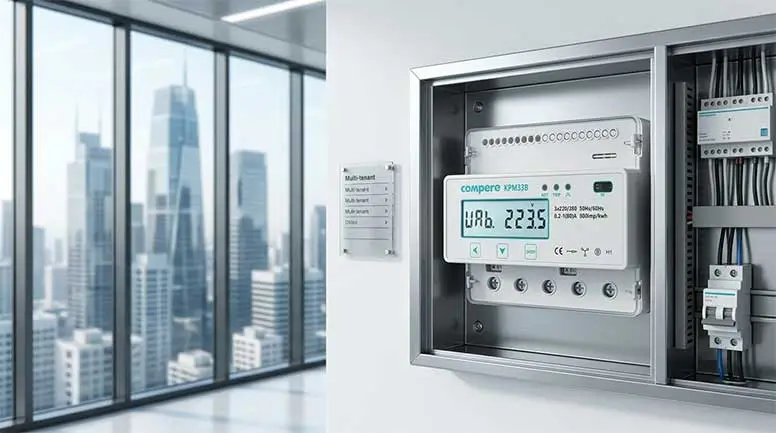
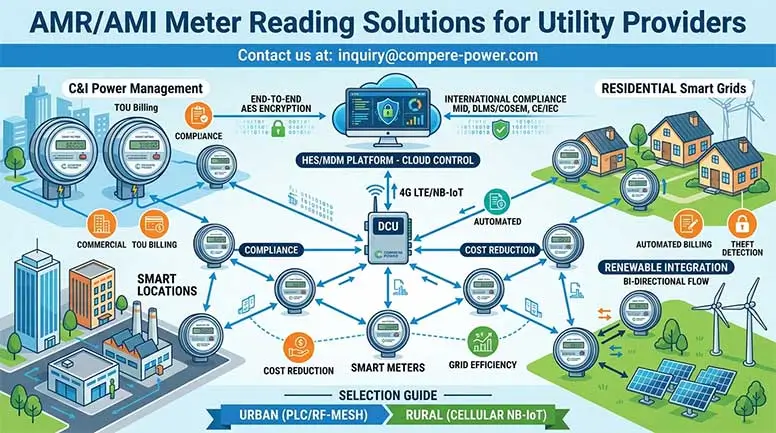
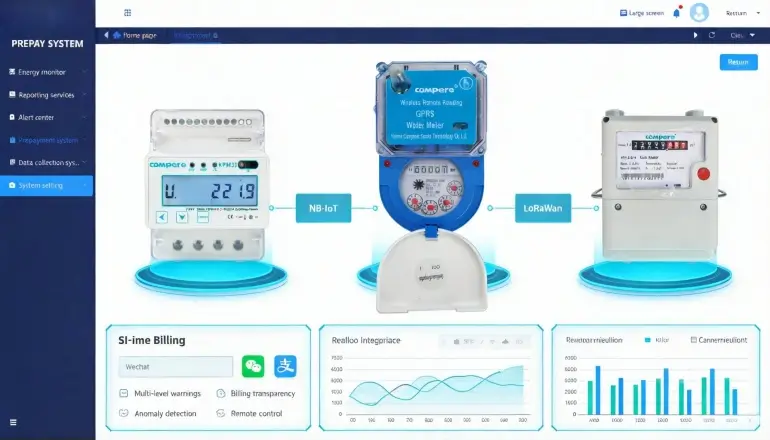
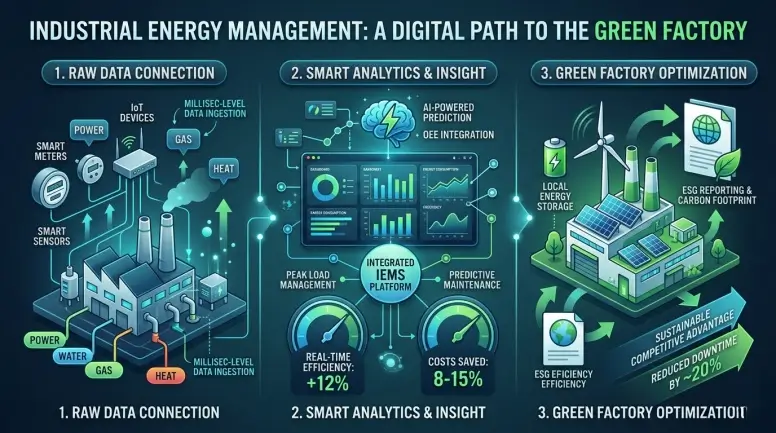
First, it enables real-time, comprehensive data collection. Through IoT gateways, smart meters, and edge computing technology, the system can collect plant-wide energy data in milliseconds, ensuring the authenticity and real-time nature of the underlying data.
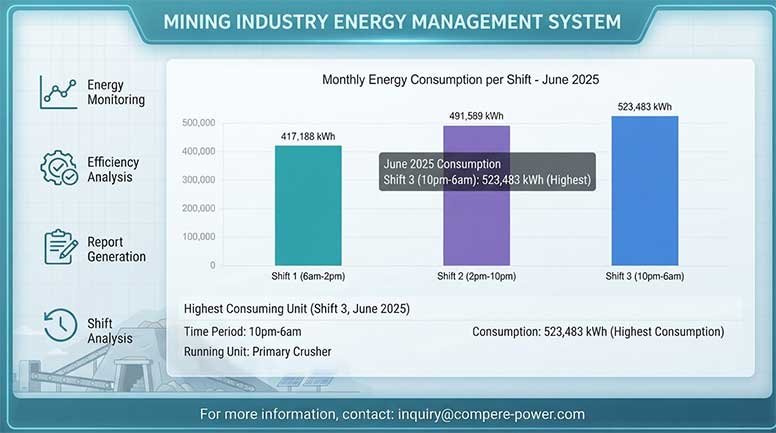
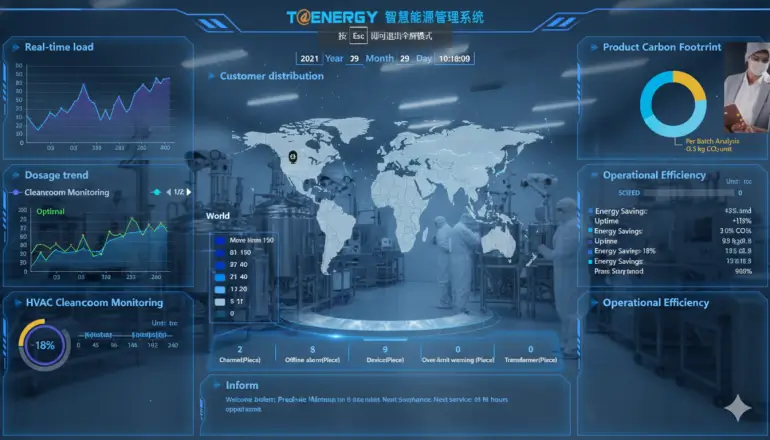
Second, it provides precise energy efficiency dashboards, integrating OEE and energy efficiency. The system connects energy data with ERP and MES systems. Managers can clearly see how many kilowatt-hours of electricity were consumed in producing this batch of orders. This product-based energy efficiency analysis provides a scientific basis for product pricing and process optimization.
Finally, it enables AI prediction and load balancing. Utilizing machine learning algorithms, the system can predict the next day's electricity load, helping enterprises participate in "demand response" and achieve off-peak production between peak and off-peak hours, directly reducing electricity costs.
Deploying an IEMS system is not merely a policy response, but a tangible business strategy. Its value is reflected in three key dimensions:
In terms of direct cost reduction, the system typically helps companies achieve an 8% to 15% reduction in overall energy consumption through peak-valley power shaving and automatic identification and reduction of inefficient equipment operation. For energy-intensive companies, this translates to a direct increase in profit margins.
In terms of preventative maintenance, energy consumption data serves as a "barometer" of equipment health. By monitoring the current spectrum of motors or energy consumption fluctuations in compressors, the system can identify potential faults in advance. This not only reduces unplanned downtime by approximately 20% but also extends the lifespan of high-value assets.
In terms of carbon footprint tracking and market competitiveness, IEMS can automatically generate carbon emission reports that comply with international standards. In the current context of increasingly stringent ESG assessments, this significantly enhances a company's competitiveness in cross-border procurement, helping them more easily navigate green audits of the supply chain.
With technological iteration, IEMS is evolving towards greater intelligence:
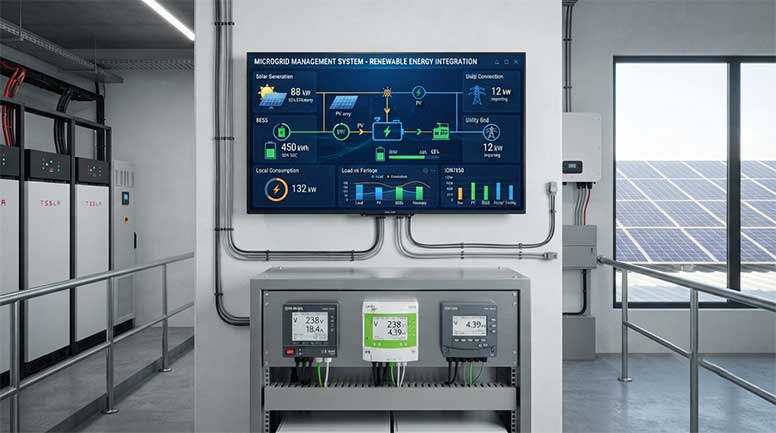
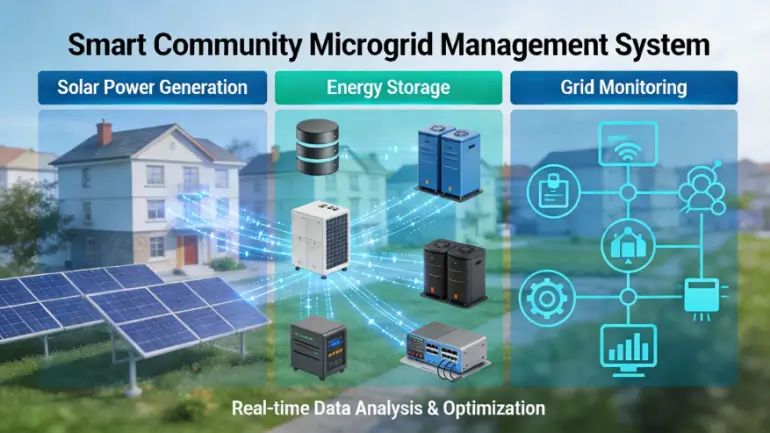
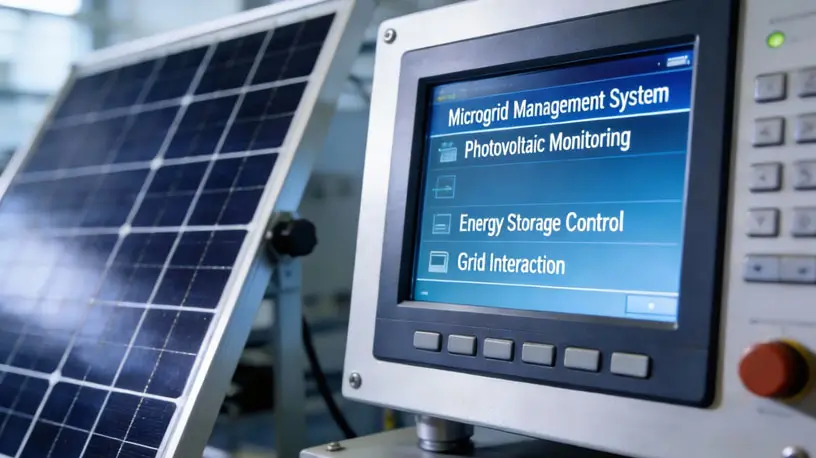
Distributed Energy Integration: The system will not only manage energy consumption but also the coordinated operation of factory rooftop photovoltaics, energy storage facilities, and the power grid, building an enterprise microgrid.
Edge Computing and Privacy Computing: More data processing will be completed at the local edge, improving response speed while ensuring the security of industrial data.
Zero-Carbon Decision-Making: AI will automatically generate optimal production scheduling suggestions based on real-time carbon allowance prices and energy market electricity prices, maximizing both economic and environmental benefits.
In the era of Industry 4.0, "invisible energy" must become "visible data." Industrial energy management systems are not only at the forefront of energy conservation and emission reduction but also the digital cornerstone for enterprises to achieve lean management and enhance core competitiveness. For industrial enterprises aiming for long-term development, building an IEMS is no longer a question of "whether to do it" but rather "how to do it faster and deeper."
Have you any problem, please contact us via message