
Energy management has become a major challenge for industrial facilities, commercial buildings, and renewable energy projects. Rising electricity costs, increasing demand for energy efficiency, and the growing adoption of renewable energy sources are pushing businesses to find smarter ways to manage power consumption.
Traditional energy management methods often rely on manual meter reading, separated monitoring devices, and delayed data analysis. These approaches make it difficult for companies to understand real-time energy usage, identify energy waste, and optimize electricity consumption.
At the same time, the integration of solar power, battery energy storage systems, and distributed energy resources has made energy networks more complex. Businesses need a centralized solution that can monitor, analyze, and optimize energy flows efficiently.
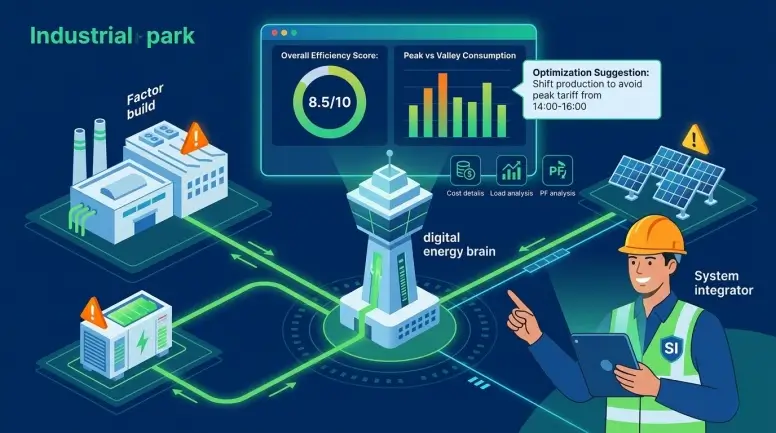
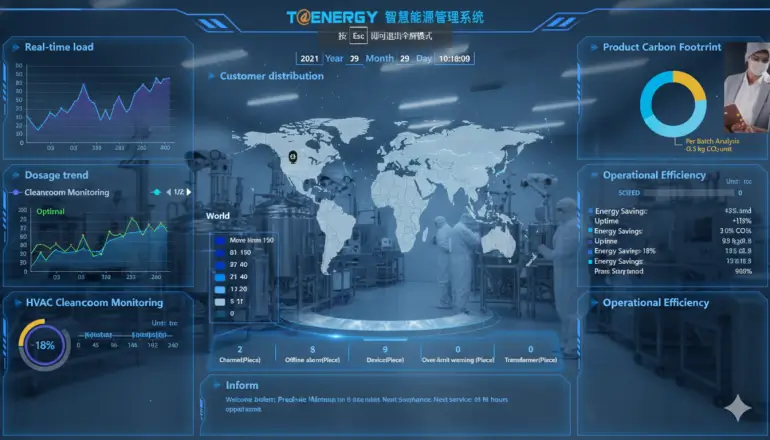
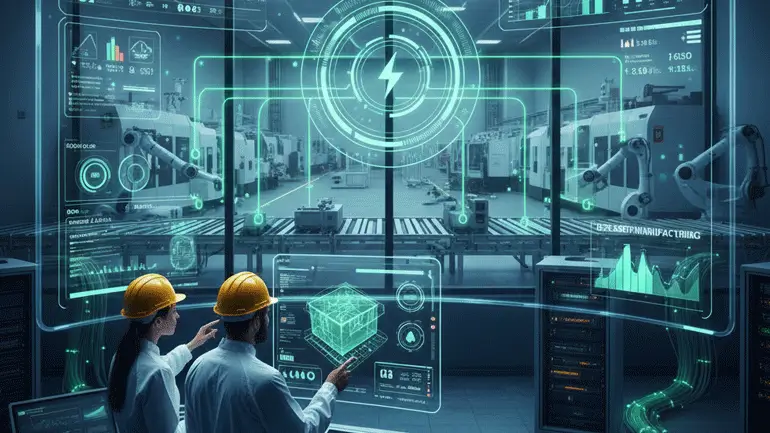
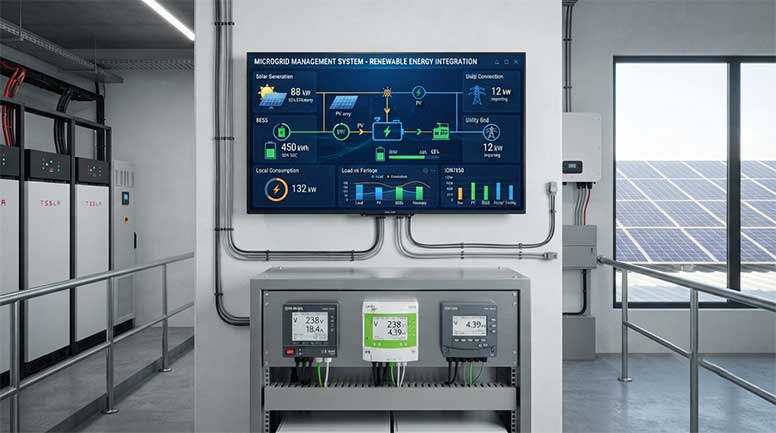
A Microgrid Management System provides an intelligent approach by combining smart energy meters, IoT communication technologies, and energy management software to help organizations achieve better energy visibility, lower operating costs, and improved power reliability.
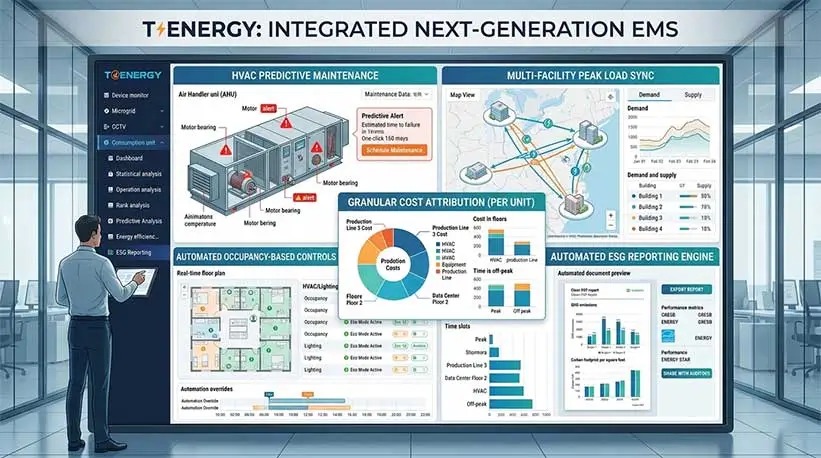
A Microgrid Management System is an intelligent energy management solution designed to monitor, control, and optimize energy generation, distribution, and consumption within a microgrid environment.
Unlike traditional power monitoring methods, a modern microgrid management solution connects multiple energy devices into one centralized platform, including:
By collecting real-time energy data from different power sources and loads, the system helps businesses understand how electricity is generated, distributed, and consumed. This enables better decision-making and more efficient energy operation.
For industrial and commercial users, a Microgrid Management System is not only a monitoring tool but also an important platform for improving energy efficiency and supporting digital transformation.
Many businesses still rely on monthly electricity bills to understand their energy consumption. However, electricity bills only show total usage and cannot explain when, where, or why energy is being consumed.
Without real-time data, companies may struggle to identify:
A Microgrid Management System solves this problem by integrating smart energy meters and IoT communication technologies. The system continuously collects electrical parameters, including voltage, current, power consumption, and power quality data, allowing users to monitor energy conditions in real time.
Energy costs represent a significant operating expense for many factories and commercial facilities. However, without detailed energy analysis, companies often cannot identify opportunities for saving electricity.
Common problems include:
A smart Microgrid Management System analyzes historical and real-time energy data to help businesses understand consumption patterns. Through energy reports, load analysis, and operational insights, companies can optimize energy usage and reduce unnecessary costs.
Renewable energy systems such as solar PV and battery storage are becoming increasingly popular. However, managing multiple energy sources creates new challenges.
Businesses need to understand:
A Microgrid Management System provides centralized monitoring and control capabilities, helping organizations manage renewable energy resources more effectively and improve clean energy utilization.
For large industrial facilities, campuses, and commercial buildings, manual inspection of electrical systems requires significant time and labor resources.
With IoT-based energy management technology, users can remotely access energy data, receive abnormal alerts, and monitor equipment conditions through a centralized platform.
This improves maintenance efficiency and enables faster responses to potential energy issues.
The foundation of a Microgrid Management System is accurate energy data collection. Smart energy meters and power monitoring devices continuously measure electrical parameters such as:
These measurements provide detailed visibility into the performance of the entire microgrid system.
After data collection, communication technologies transfer information from field devices to the energy management platform.
Depending on project requirements, solutions can support communication methods including:
Wireless IoT communication makes energy monitoring easier to deploy, especially in existing buildings and industrial facilities where additional wiring may increase installation costs.
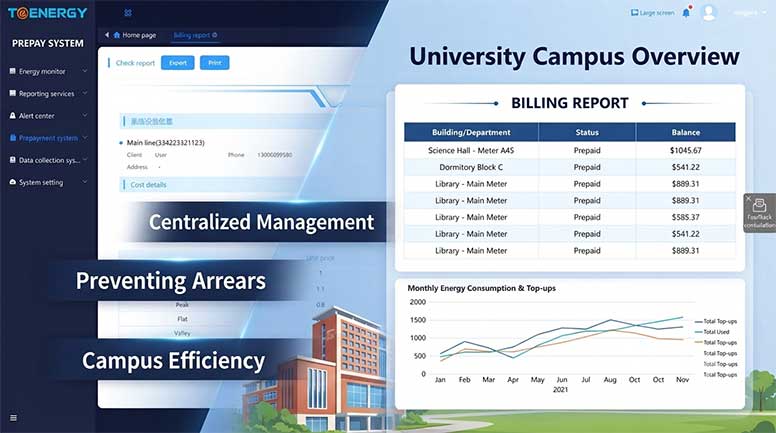
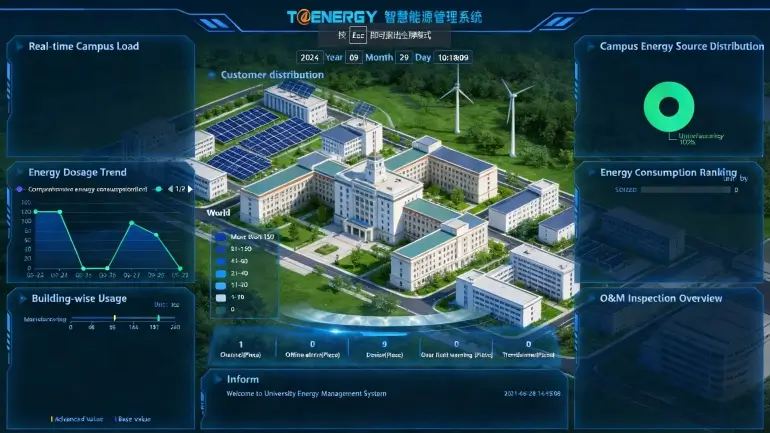
The energy management platform processes collected data and provides users with clear insights through:
Facility managers can quickly understand energy performance and make informed operational decisions.
Based on collected energy information, the system helps businesses optimize electricity usage, improve load management, and enhance overall energy efficiency.
| Benefit | Business Value |
|---|---|
| Real-Time Monitoring | Gain complete visibility into electricity usage and system performance |
| Energy Cost Reduction | Identify energy waste and optimize consumption patterns |
| Renewable Energy Integration | Improve management of solar and battery energy systems |
| Remote Management | Reduce manual inspection workload and improve maintenance efficiency |
| Improved Reliability | Enhance power management and operational stability |
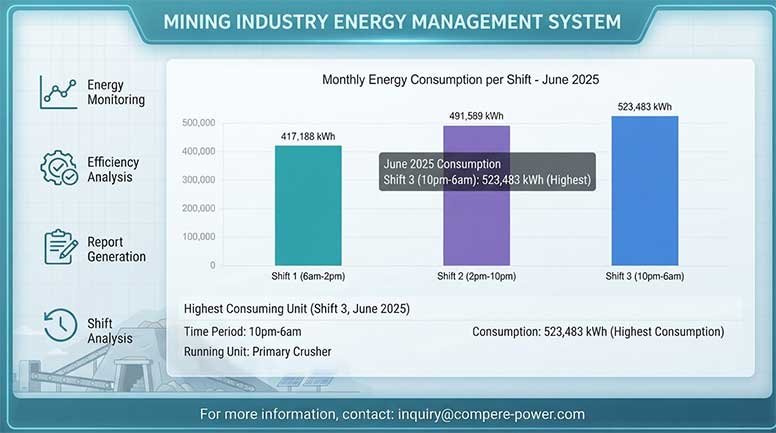
Factories and industrial parks usually have complex electrical systems and high energy consumption. A Microgrid Management System helps industrial users monitor production energy usage, identify inefficient equipment, and improve overall energy performance.
Typical applications include:
Office buildings, shopping centers, and hotels require efficient energy management to control operating expenses.
Microgrid solutions support:
For solar farms, battery storage projects, and distributed energy systems, a Microgrid Management System provides better visibility and control of renewable energy resources.
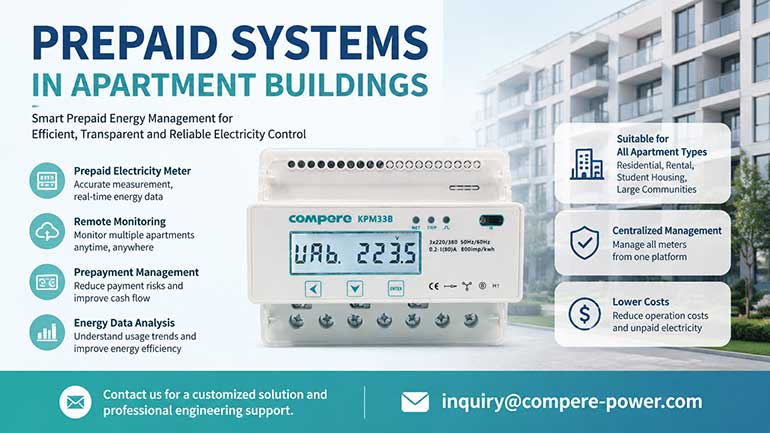
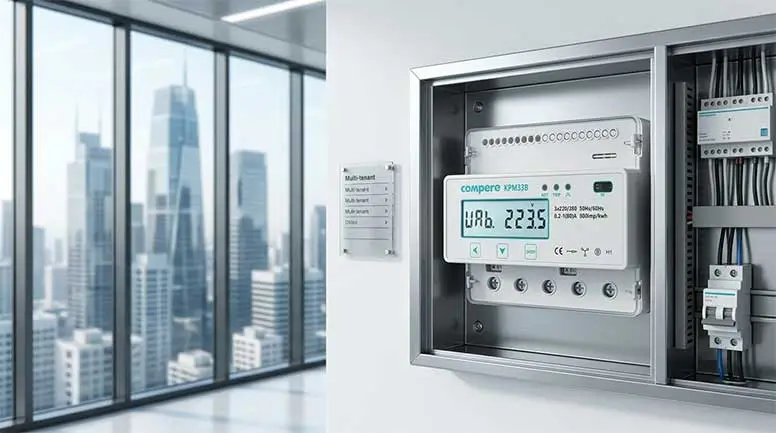
Smart energy meters are one of the most important components of a microgrid management solution. They provide accurate measurement and continuous data collection from different energy points.
Modern smart meters support:
By combining smart energy meters, IoT communication, and energy management software, businesses can build a complete energy monitoring and optimization solution.
IoT-based Microgrid Management Systems provide a flexible and scalable approach for modern energy management.
A Microgrid Management System enables businesses to move from traditional energy consumption management to intelligent, data-driven energy optimization.
By combining smart energy meters, IoT communication, and energy management platforms, organizations can improve energy visibility, reduce operating costs, integrate renewable energy, and achieve more efficient power management.
For companies looking for a reliable Microgrid Management System solution for industrial or commercial applications, working with an experienced energy solution provider can help build a smarter and more sustainable energy future.
Have you any problem, please contact us via message