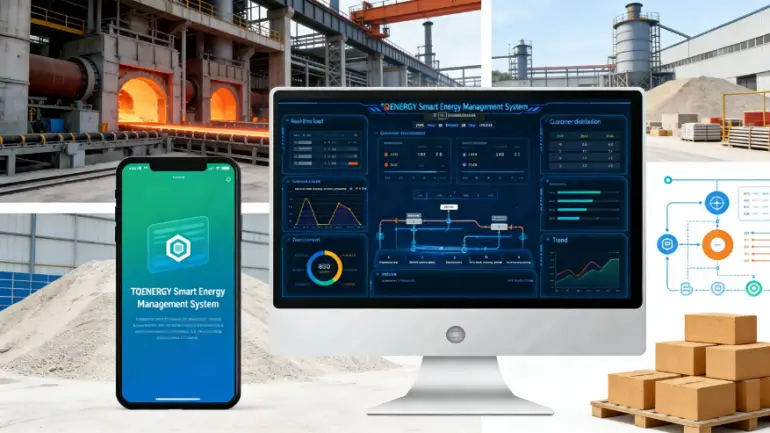

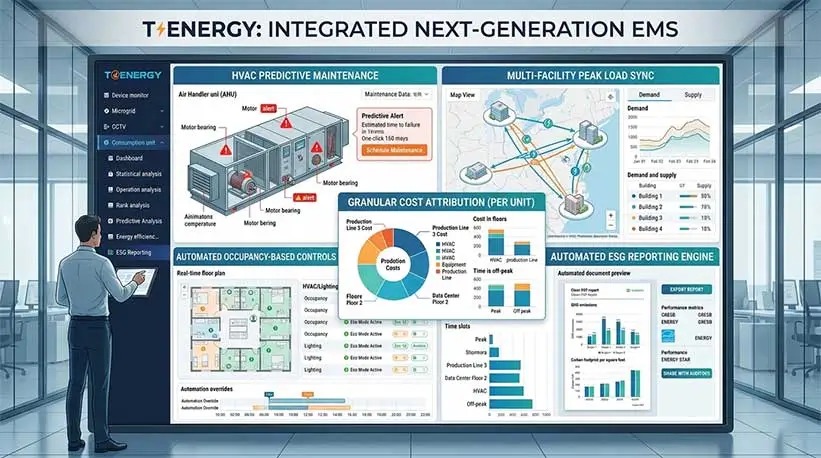
In today's business environment, facility management is no longer simply about "keeping the lights on and the equipment running." With continuously rising energy costs and increasingly stringent global ESG compliance requirements, outdated Energy Management Systems (EMS) are becoming a heavy financial burden for businesses.
Many companies mistakenly believe that as long as their existing systems are running, there's no need to replace them. However, this passive "don't fix it until it breaks" attitude often comes with high hidden costs. Here are 5 key signs that your facility needs an immediate upgrade to its energy management system:
If your monthly electricity or gas bills are rising sharply, but your facility utilization or production output hasn't changed significantly, this is a red flag. Worse still, if your existing system can't tell you where that energy is being consumed, you're essentially groping in the dark.
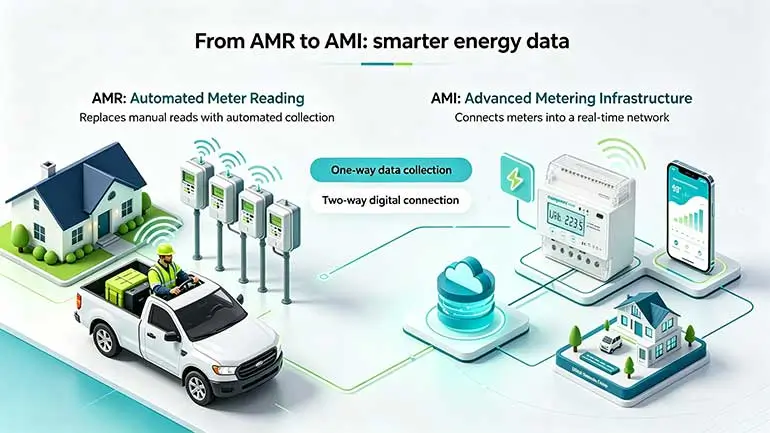
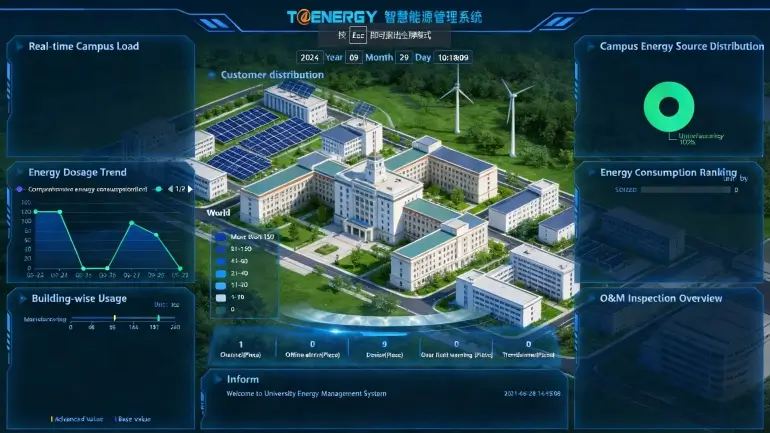
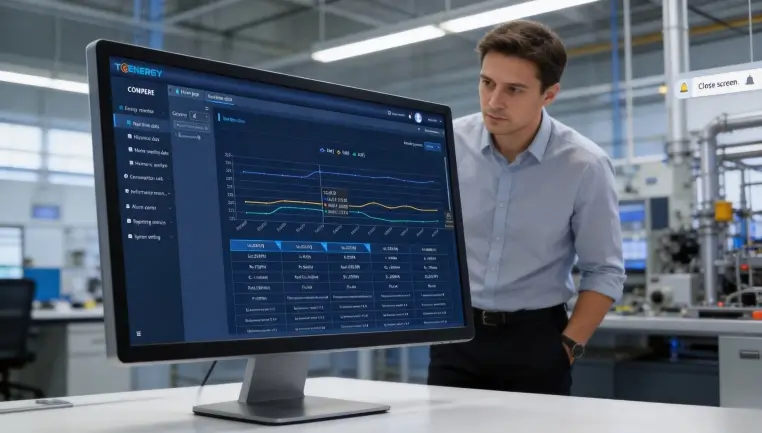
Key difference: Outdated systems typically only provide coarse, outdated historical data. Modern EMS, on the other hand, provides highly granular real-time monitoring. It can pinpoint data down to specific floors, production lines, and even individual HVAC (Heating, Ventilation, and Air Conditioning) units, helping you instantly identify where electricity is being stolen.
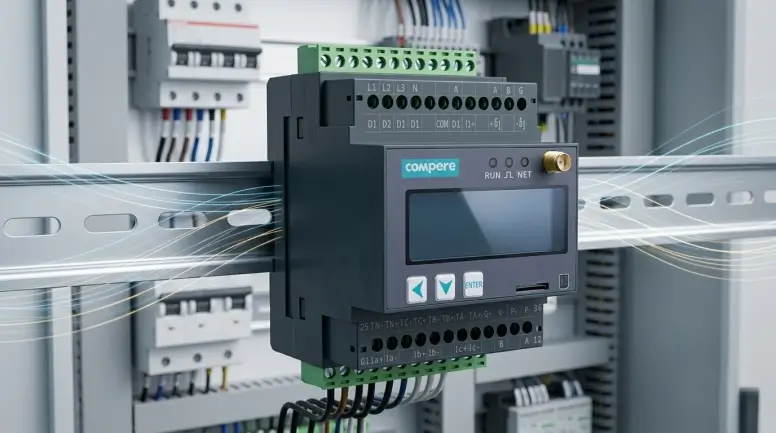
Is your lighting control system completely disconnected from your HVAC system? Does your smart meter data still require manual input into Excel spreadsheets for analysis?
If your facility contains multiple unrelated and incompatible independent systems, this is a typical characteristic of an outdated system. These data silos not only lead to low management efficiency but also make cross-departmental energy coordination and control a pipe dream. Upgraded modern EMS supports common open protocols (such as Modbus), integrating all fragmented subsystems into a unified central control platform.
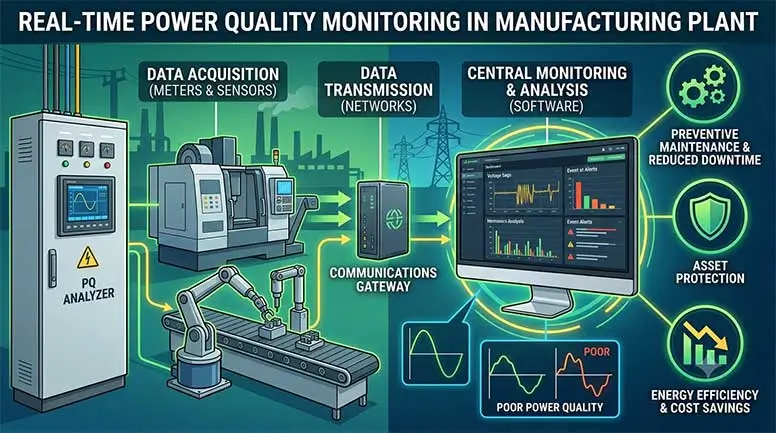
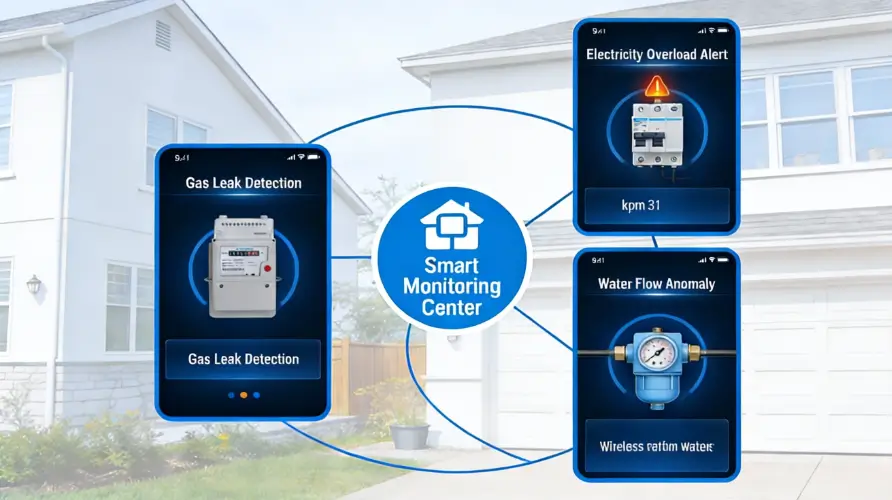
If your team only rushes to repair equipment after receiving complaints from employees that "the office is too hot" or after equipment completely breaks down, it means your existing system has lost its early warning function.
Modern EMS has long surpassed the role of a simple "data logger." By introducing predictive maintenance capabilities, upgraded systems can monitor abnormal energy consumption fluctuations in equipment (such as a sudden increase in compressor current). This is often a precursor to equipment failure, allowing you to schedule maintenance in advance before costly downtime.
Does your team still need to manually turn off lights or lower air conditioning temperatures in certain areas at the end of the workday or during the weekend? Or worse, is the air conditioning running all weekend in an empty office building due to negligence?
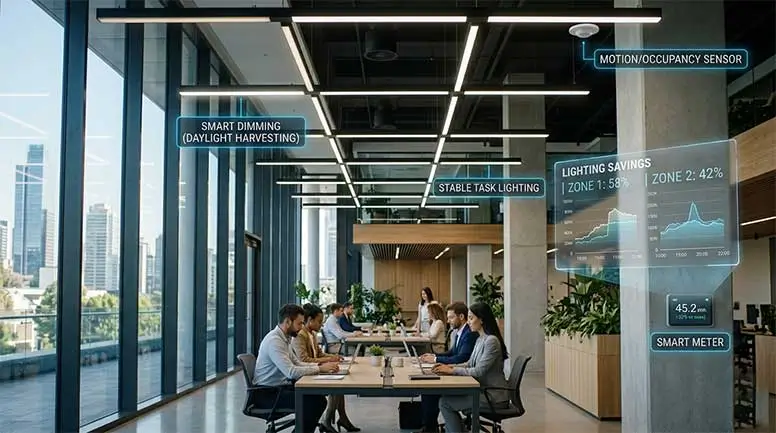
If you are still using manual or simple timer-based controls, you are wasting a significant amount of energy. Modern EMS possesses powerful intelligent automation capabilities, integrating with:
Occupancy Sensors
Weather Forecast Data Linkage
Peak-Shaving
The system automatically and dynamically adjusts the facility's energy operation strategy to maximize energy efficiency without sacrificing personnel comfort.
Businesses today face unprecedented regulatory pressure, with shareholders, customers, and regulators demanding transparent carbon emissions and sustainability data.
If your management team has to spend weeks manually collecting, cleaning, and calculating energy data to compile a compliant ESG report, it's not only time-consuming and labor-intensive but also highly error-prone. A modern EMS boasts a powerful automated reporting engine that can generate carbon footprint and energy consumption reports compliant with international standards (such as the GHG Protocol) with a single click, making compliance audits a breeze.
Upgrading your energy management system should not be viewed as a mere capital expenditure (CapEx), but rather as a strategic investment that delivers a rapid return on investment (ROI). By eliminating energy waste, reducing maintenance costs, and avoiding compliance penalties, most businesses typically recoup their investment within 12 to 24 months after upgrading to a modern EMS.
If your facility is exhibiting any of the above signs, now is the best time to act. Don't wait until the old system completely fails before being forced to make hasty and expensive decisions.
Have you any problem, please contact us via message