
With the rapid advancement of urbanization and the increasing demand for refined energy management, water, electricity, and gas are core resources for urban operation and residents' lives, making the innovation and upgrading of their management models crucial. Traditional post-payment management models generally face pain points such as low meter reading efficiency, difficulty in collecting overdue payments, and serious resource waste. The implementation of prepaid systems is bringing about a transformation in water, electricity, and gas management from "passive response" to "proactive control," achieving a win-win situation for both management and users.
The core logic of prepaid systems is "pay first, use later." Relying on intelligent metering equipment, IoT communication technology, and cloud management platforms, a complete intelligent management system is built. Compared to traditional models, its advantages are reflected in several dimensions:
In traditional post-payment models, the processes of meter reading, accounting, and collection are lengthy. Some users delay payment or even maliciously default, which not only increases the management's manpower and time costs but also causes delays in fund recovery.
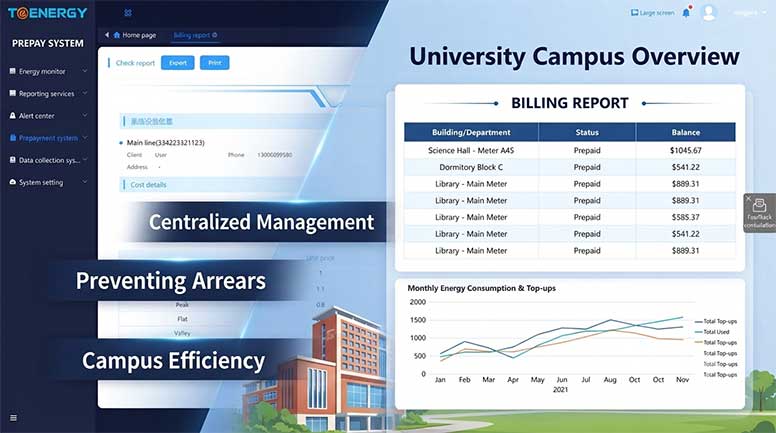
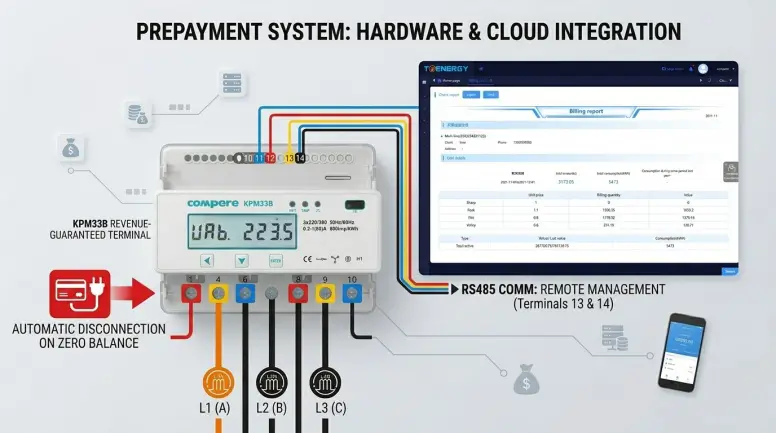
The prepaid system fundamentally solves this problem: users must pre-pay to access water, electricity, and gas resources. The system automatically issues warnings when the account balance is insufficient and automatically cuts off supply when the balance is depleted. This mechanism transforms "post-payment reminders" into "pre-payment control," significantly reducing bad debt rates and ensuring stable cash flow for management.
Traditional water, electricity, and gas management relies on manual meter reading, which is not only costly in terms of manpower and resources but also suffers from large meter reading errors and untimely data updates. This inefficiency is particularly pronounced for large user groups such as industrial and commercial parks and residential communities.
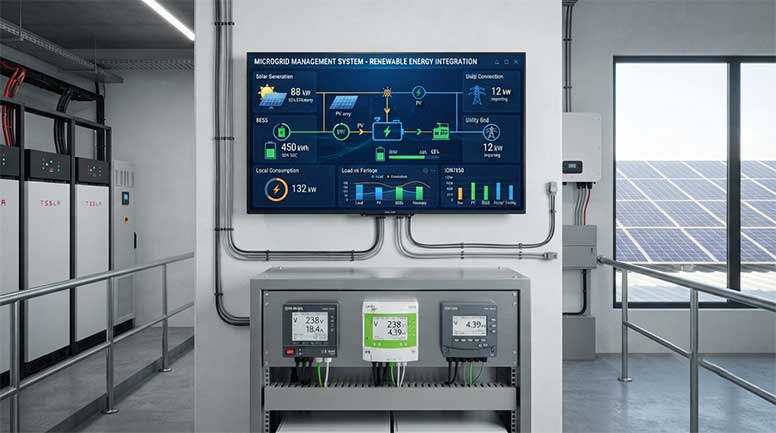
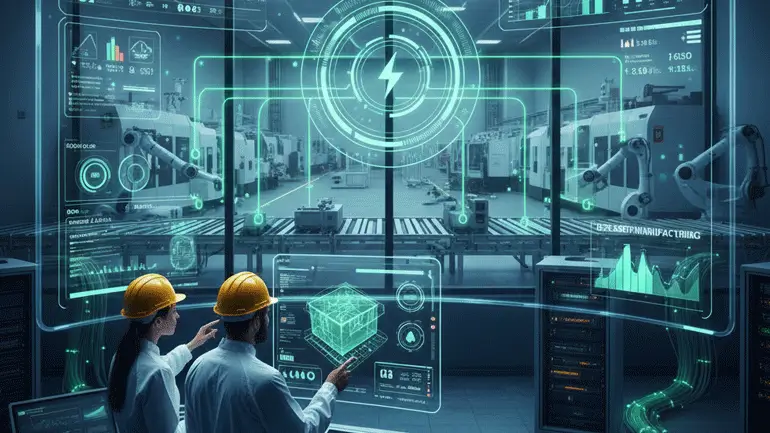
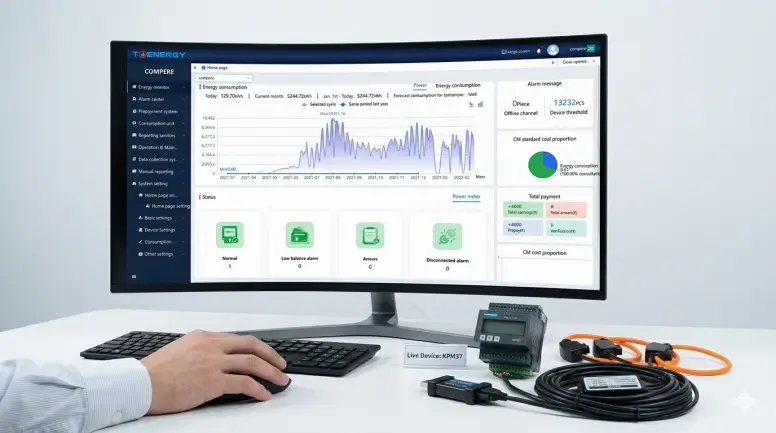
The prepaid system incorporates Internet of Things (IoT) technology. Smart water, electricity, and gas meters can collect user usage data in real time and automatically upload it to a cloud management platform. Management personnel can view all users' usage, balances, and equipment status information in the backend without on-site visits, enabling remote meter reading, remote valve control/closing, and other operations. This transformation reduces labor costs by more than 60% while increasing data collection accuracy to 99.9%.
Driven by the "dual carbon" goals, resource conservation and efficient utilization have become a social consensus. In traditional postpaid models, users lack a clear understanding of their usage, easily leading to unconscious resource waste.
Prepaid systems provide users with clear consumption feedback: through mobile apps, official accounts, or self-service terminals, users can check their balance, real-time usage, and consumption details at any time, intuitively understanding their water, electricity, and gas usage. When the account balance is insufficient, the system will remind users to recharge via SMS, app push notifications, etc. This "visible usage, controllable consumption" model effectively guides users to develop conservation habits. Statistics show that users using prepaid systems have reduced water, electricity, and gas resource waste rates by an average of 20%-30%.
The safe operation of water, electricity, and gas is of paramount importance in management. Under traditional models, equipment failures, pipeline leaks, and overloaded electricity use are difficult to detect in a timely manner, easily leading to safety accidents.
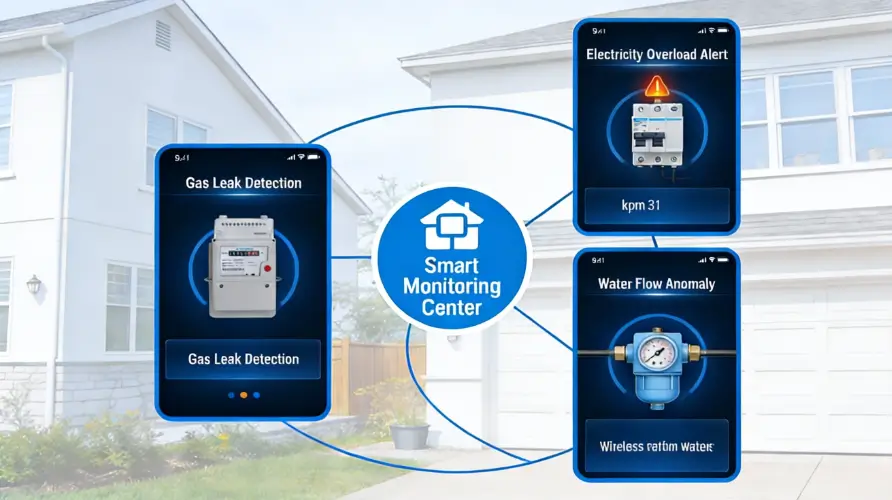
The prepaid system features real-time monitoring and anomaly warning functions: When gas leaks, electricity meter overloads, or abnormal water flow occur, the system immediately triggers an alarm and automatically cuts off the supply, while simultaneously pushing abnormal information to management personnel and user terminals. Furthermore, the system can conduct regular inspections of equipment operation status, proactively identifying potential faults, reducing safety risks at the source, and protecting users' lives and property.
The flexibility and adaptability of the prepaid system allow it to cover different types of user groups and meet diverse management needs:
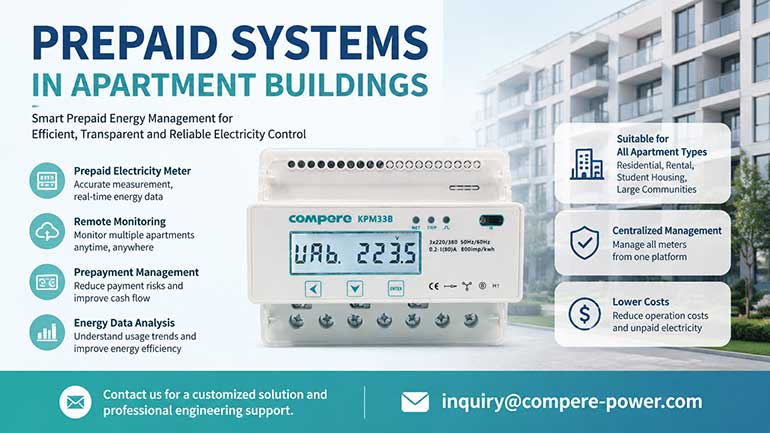
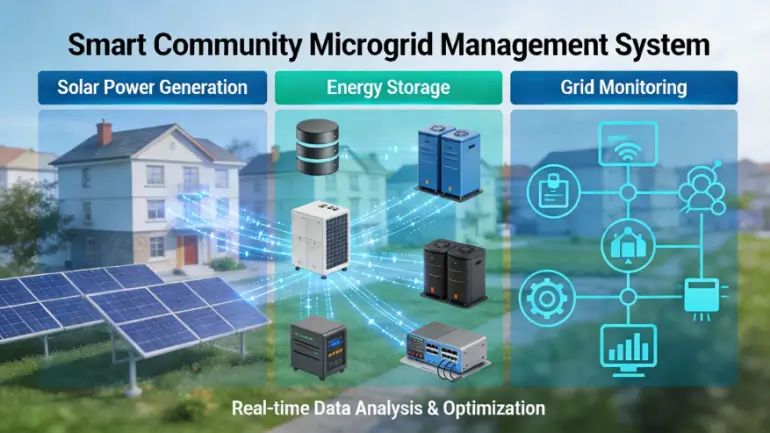
For residential communities, the prepaid system enables "one meter per household, intelligent management." Property management companies can manage residents' water, electricity, and gas accounts in batches through a cloud platform, remotely handling account opening, cancellation, top-ups, and fault reporting, reducing pressure on offline service windows. Residents can top up their accounts 24/7 online, eliminating the need to queue at the service center and significantly improving convenience. Meanwhile, the system's overdue payment warning function prevents water and power outages caused by unpaid bills from impacting residents' lives.
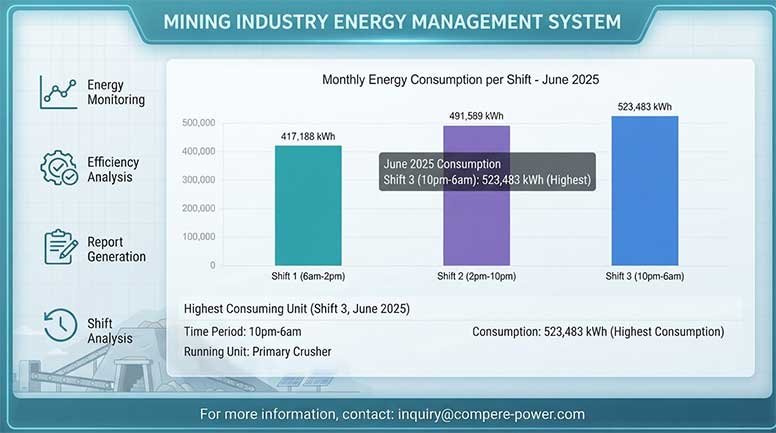
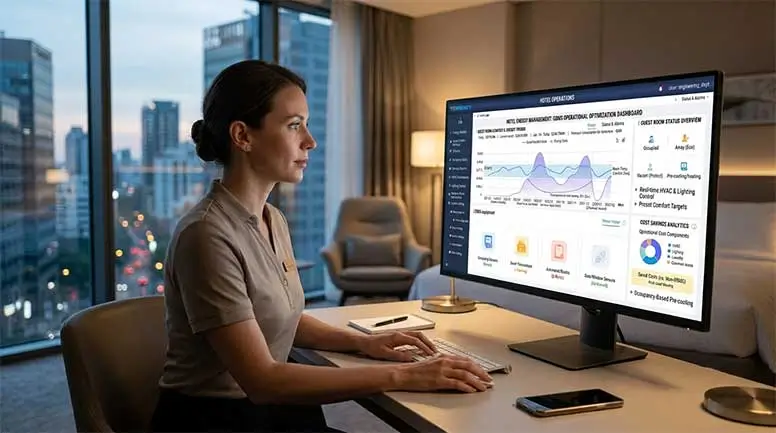
Industrial and commercial users are major consumers of water, electricity, and gas. Their high consumption and complex billing rules make cost control a more urgent need. The prepaid system can tailor personalized billing schemes such as tiered pricing and peak-valley pricing to the characteristics of industrial and commercial users, achieving accurate metering and flexible billing. In addition, the system can provide enterprises with energy consumption analysis reports, helping them optimize production processes, reduce energy costs, and improve energy efficiency.
In scenarios such as campus dormitories and public rental housing, user turnover is high, and traditional management models are prone to problems such as chaotic meter reading and disputes over overdue payments. The prepaid system enables flexible management with "activation upon occupancy and deactivation upon departure." When a new user moves in, the administrator can remotely activate their account; when a user moves out, the system automatically settles the remaining fees, avoiding disputes over settlement. Meanwhile, the system's energy-saving guidance function helps students and tenants cultivate a sense of conservation and reduce waste of public resources.
The application of the prepaid system is not only a technological innovation in water, electricity, and gas management, but also an important measure to promote refined resource management and contribute to green and low-carbon development. From addressing the pain points of traditional management to meeting the needs of diverse scenarios, the prepaid system, with its core values of cost reduction and efficiency improvement, safety and controllability, and energy conservation, is becoming a standard solution in the field of water, electricity, and gas management. In the future, with continuous technological advancements, the prepaid system will further empower the intelligent upgrading of water, electricity, and gas management, contributing even more to building an efficient, green, and safe energy management system.
Have you any problem, please contact us via message