
In modern hotel operations, energy costs (electricity, water, gas, etc.) are typically the second largest fixed expense after labor costs, accounting for 6% to 10% or even higher of total operating costs. With fluctuating global energy prices and the advancement of ESG (Environmental, Social, and Governance) standards, effectively controlling energy consumption and reducing costs has become a core issue for hotels to maximize profits.
Introducing a hotel energy management system, utilizing digital and intelligent methods to replace traditional manual management, is an inevitable choice for modern hotels to achieve significant cost reduction and efficiency improvement.
Without system support, traditional hotels often operate in a state of "passive energy saving" or "blind energy consumption":
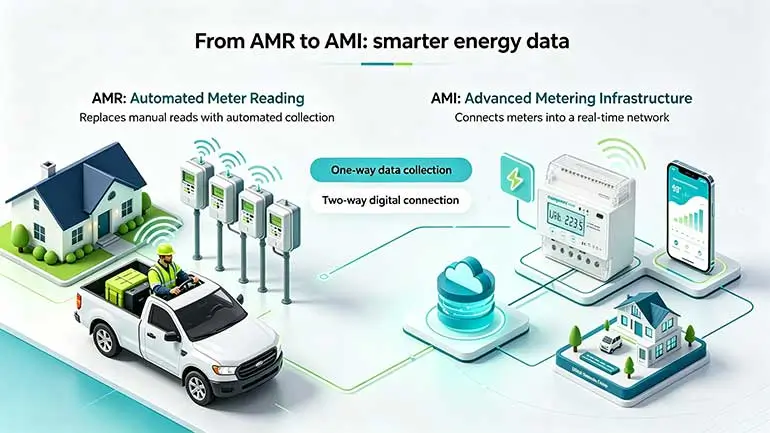
Data Lag and Blind Spots: Many hotels still rely on monthly manual meter readings, making it impossible to obtain real-time information on the energy consumption percentage of each area (such as the kitchen, laundry room, guest room area, and lobby), and making it difficult to detect energy leaks (such as spills) around the clock.
Equipment operates in isolation: Large energy-consuming equipment such as central air conditioning (chiller), boilers, lighting, and elevators operate independently, unable to be coordinated and adjusted according to the hotel's actual occupancy rate, weather changes, or peak and off-peak electricity prices.
Inefficient management: Whether in banquet halls or public areas, lighting and air conditioning are often kept at full power for extended periods, lacking precise time and space control.
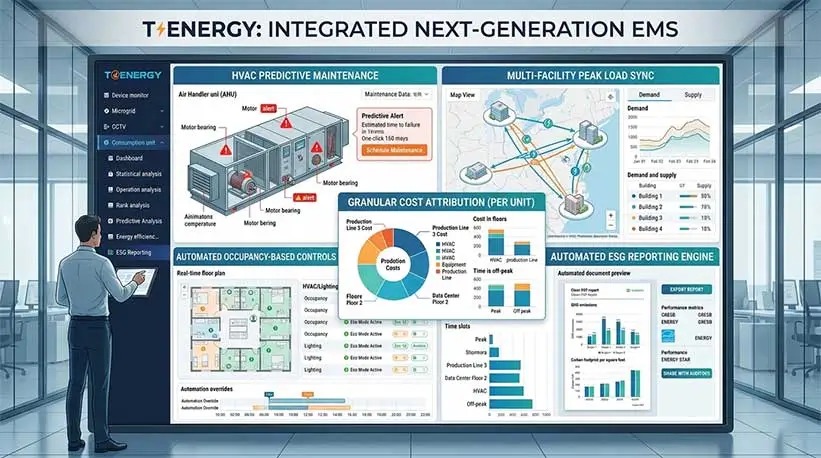
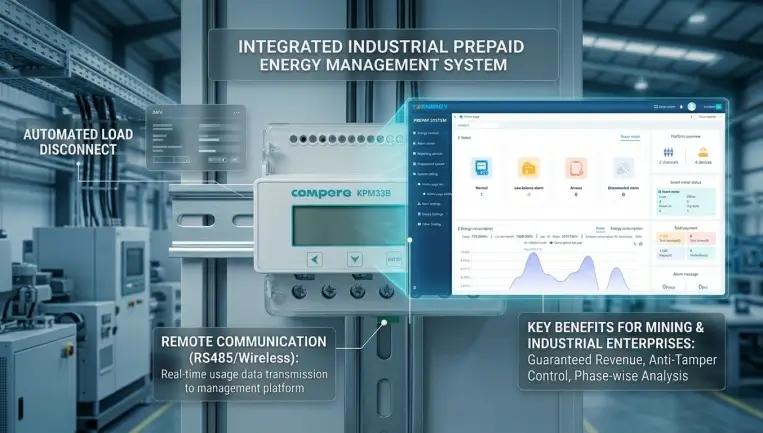
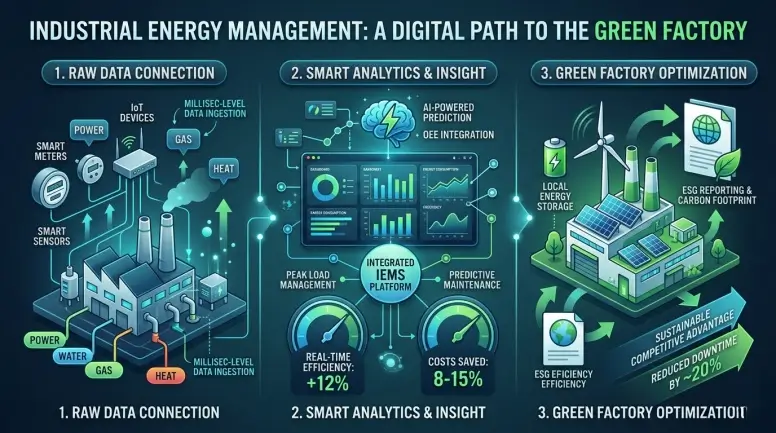
The hotel's Energy Management System digitizes all energy consumption in the hotel through Internet of Things (IoT) sensors, smart meters, and centralized control software. It primarily achieves "proactive energy saving" through the following four core functions:
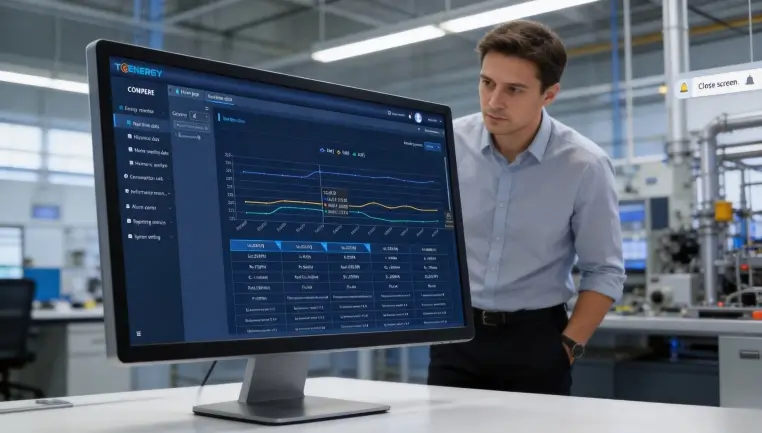
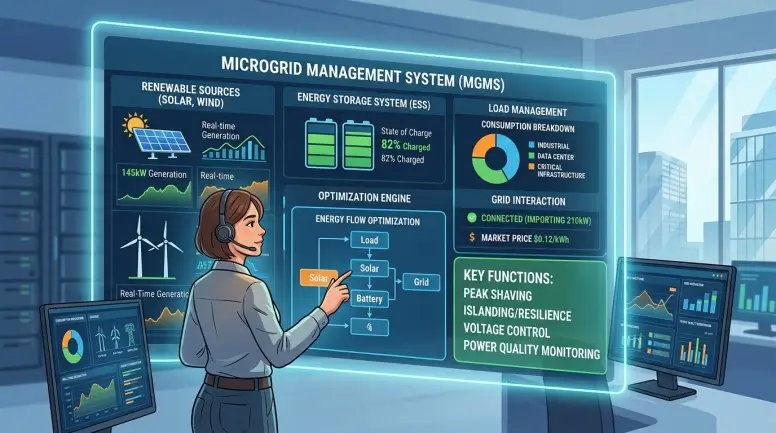
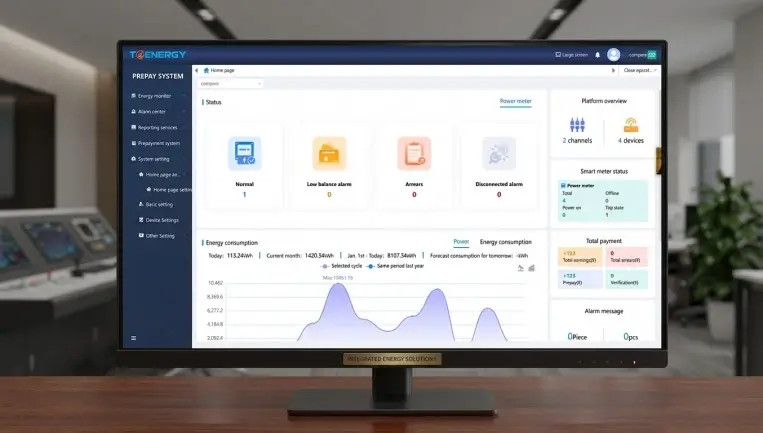
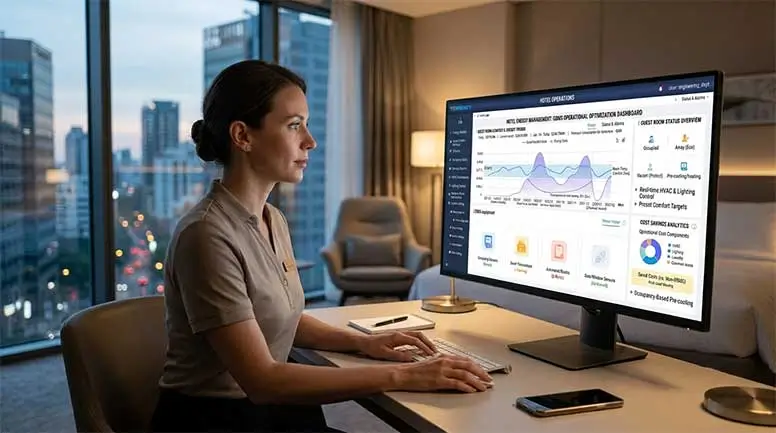
1. Real-time energy consumption monitoring and comprehensive dashboard (Data Visualization)
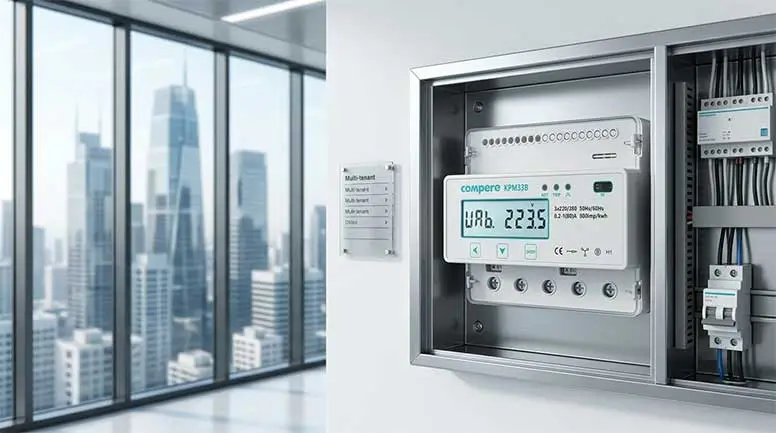
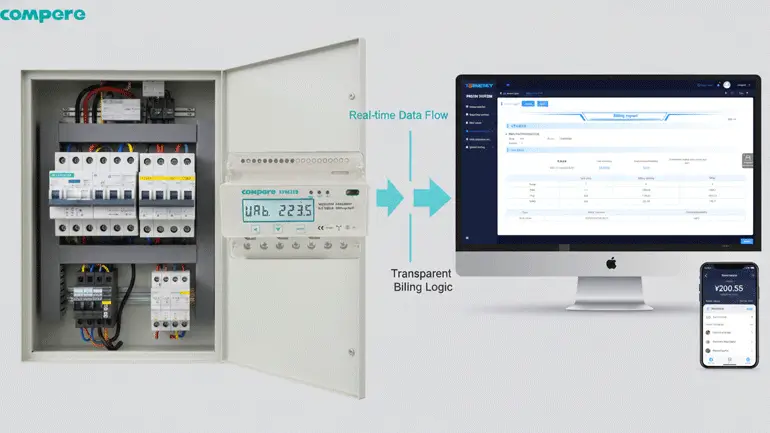
The EMS can achieve 24/7 uninterrupted data collection, breaking down the hotel's water, electricity, and gas consumption down to each floor, each department, and even individual large equipment.
Abnormal Alarm: If the system detects abnormal current in unoccupied areas at night, or persistently high water consumption, it will immediately send an alarm to the engineering department, accurately locating leaks or equipment malfunctions to prevent hidden waste.
2. Strategic Equipment Linkage and Energy Efficiency Optimization (HVAC Optimization)
HVAC systems account for over 40% of a hotel's total energy consumption. The EMS can act as a "smart brain," enabling intelligent group control of the central air conditioning and boiler systems:
Environmental Coordination: By combining outdoor meteorological data with indoor temperature changes, the system automatically fine-tunes the chiller's water supply temperature to avoid over-cooling or over-heating.
Peak-Valley Electricity Pricing Response: In areas with peak-valley electricity pricing, the system can control cold/heat storage equipment to "store energy" during off-peak hours at night and release it during peak hours during the day, thereby significantly reducing electricity bills without changing total electricity consumption.
3. Intelligent Scene Control for Public Areas and the Kitchen
Intelligent Lighting (Time & Lux Control): Lighting in public areas such as the lobby and corridors can be linked with natural light sensors. During the day, when sunlight is abundant, the lights automatically dim, and at night, they switch to a "nighttime energy-saving mode."
Kitchen and Laundry Monitoring: The laundry room and kitchen are major consumers of water and gas. The system uses separate metering and assessment for these areas to encourage standardized operations by employees and reduce equipment idling.
4. Predictive Maintenance
Through long-term analysis of data such as equipment operating current and power factor, the EMS can determine the "health status" of the equipment. It alerts engineers to perform maintenance before equipment completely fails or energy efficiency drops significantly, extending the lifespan of equipment that can cost hundreds of thousands of dollars and preventing customer complaints due to sudden equipment failures.
Significant Financial Returns: After deploying a professional energy management system, the hotel's overall energy expenditure can typically be reduced by 10% to 25%. Most hotels can fully recover their system investment cost (ROI) within 12 to 18 months through savings in electricity and water costs.
Enhancing the value of a hotel's "green assets": The modern tourism industry increasingly emphasizes environmental protection. Establishing a comprehensive EMS system can directly help hotels obtain green building certifications (such as LEED) or national green hotel certifications. This is not only a "bonus" for attracting multinational corporate travel bookings, but also strong technical support for meeting the ESG investment review requirements of modern financial markets.
In an era of increasingly fierce competition in the hotel industry, while increasing revenue is important, cost reduction is equally crucial for profitability. A hotel energy management system (EMS) transforms previously invisible and intangible energy consumption into transparent and controllable data assets. It is not merely a hardware or software tool, but a strategic cornerstone for modern hotels to move towards digital operations and achieve sustainable cost reduction and efficiency improvement.
Have you any problem, please contact us via message