
In the public utility sector (water, electricity, and gas), the traditional "use first, pay later" model is gradually revealing its drawbacks: difficulty in collection, high arrears rates, and low operational efficiency. The introduction of prepaid systems is leading a profound transformation, creating a win-win situation for water, electricity, and gas companies and users through a "buy now, use later, settle immediately" model.
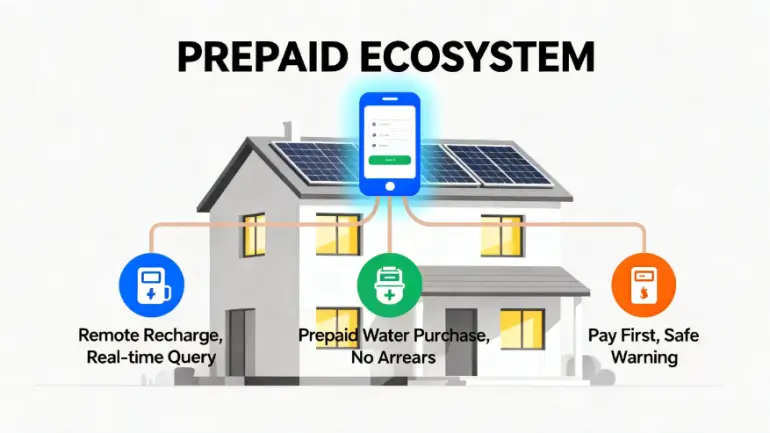
A water, electricity, and gas prepaid system is a comprehensive solution integrating smart meters, data transmission, online payment, and user management. Its core workflow is as follows
User Top-Up: Users prepay for their water, electricity, and gas accounts through online apps, mini-programs, or offline outlets.
System Sends Instruction: After successful top-up, the payment system sends an instruction to the data platform.
Automatic Meter Updates: Through communication networks (such as NB-IoT, LoRa, 4G/5G), the data platform remotely sends the recharge amount (or corresponding usage) to the user's smart water meter, smart electricity meter, or smart gas meter.
Normal Energy Consumption and Balance Reminders: Users can use water, electricity, and gas normally. The meter balance decreases in real time with usage. When the balance falls below a threshold, the system will send a warning reminder to the user via SMS or App.
Arrears and Valve Shutdown: When the balance is zero, the miniature valve inside the smart meter will automatically close, interrupting the supply until the user recharges again.
Application Maturity: Highest, most widely adopted technology.
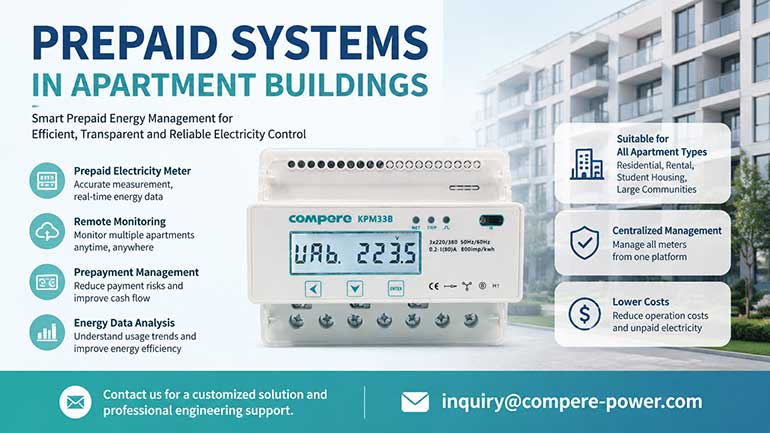
Features: Supports remote recharge, real-time electricity consumption query, automatic calculation of tiered electricity pricing, and balance alarm. Some advanced systems can also provide electricity data analysis to help users identify high-energy-consuming devices.
Application Value: Effectively solves the problems of water waste and water bill arrears.
Features: Enables prepaid water purchases and features remote data transmission, allowing monitoring of minimum nighttime flow to assist water companies in detecting leaks in underground pipe networks.
Prioritizes both safety and finances: Enhances safety management while implementing prepayment.
Features: In addition to basic prepayment functions, it typically integrates safety features such as gas leak alarms and valve shut-off for abnormal gas usage, ensuring the safety of users' lives and property.
(1). Completely Eliminates the Risk of Overdue Payments and Ensures Cash Flow
Core Advantage: Shifts from "passive collection" to "proactive prepayment," fundamentally solving the long-standing billing problems for utility companies and ensuring stable cash flow.
(2). Significantly Improves Operational Efficiency and Reduces Management Costs
Automated Processes: Automates the entire process of meter reading, billing, collection, and collection, greatly reducing the manpower and time costs of manual meter reading and on-site collection.
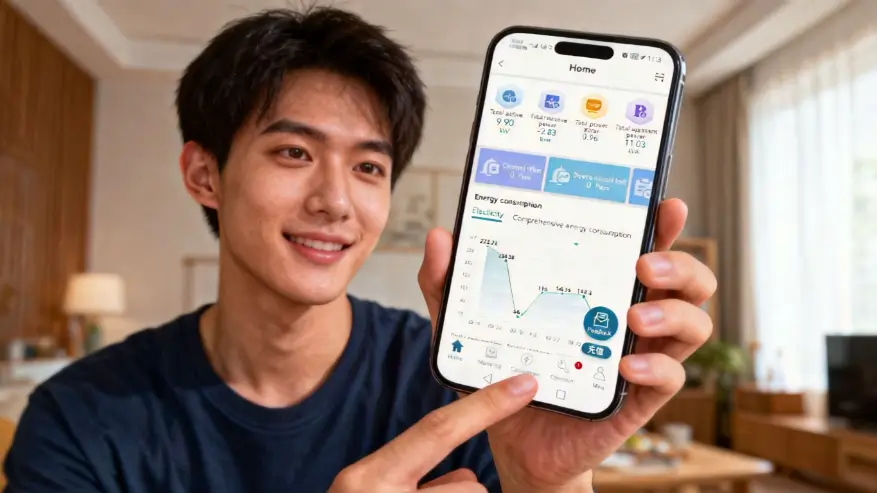
(3). Optimize Resource Allocation for Precise Management
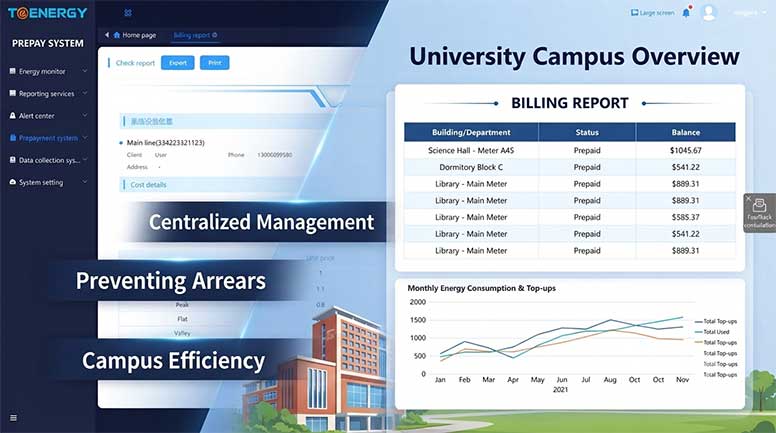
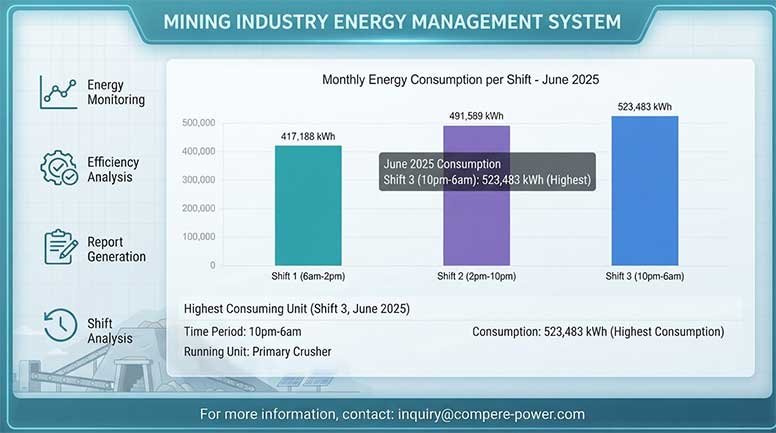
Data-Driven Decision-Making: The system backend generates detailed energy consumption data analysis reports, helping the company understand regional energy consumption patterns and peak loads, providing a scientific basis for pipeline maintenance and capacity scheduling.
(4). Enhance User Interaction and Service Capabilities
Proactive Service: Sending balance reminders, billing information, and gas outage notices to users via App or SMS transforms passive response into proactive service, improving user satisfaction.
5. Promote Energy Conservation and Fulfill Social Responsibility
Behavioral Guidance: By viewing their balance and usage in real time, users will proactively monitor their energy consumption behavior, thereby developing habits of saving water, electricity, and gas, contributing to energy conservation and emission reduction across society.
Consumption Autonomy: Users have complete control over their energy budget and consumption schedule, avoiding late payment penalties or power outages due to forgotten payments.
Payment Convenience: Supports online payments such as Alipay, WeChat Pay, and online banking, allowing for easy top-ups from home, no longer limited by the operating hours of service centers.
Usage Transparency: Real-time usage, historical bills, and remaining balance can be checked anytime via mobile phone, providing a clear overview of consumption.
Avoiding Large Bills: Large annual or quarterly bills are transformed into smaller, more frequent top-ups, reducing the pressure of one-time payments.
Before deploying the system, utility companies need to consider
Communication Technology Selection: NB-IoT, due to its wide coverage, low power consumption, and high connectivity, has become the mainstream choice for smart meters.
System Platform Integration: Seamless integration of the payment system, user management system, data platform, and existing ERP system.
User Promotion and Education: Guiding users, especially the elderly, to become familiar with and accept the new payment model and usage process.
Data Security and Privacy: Ensuring the security of user payment information and energy consumption data, complying with relevant laws and regulations.
The application of prepaid management systems in the water, electricity, and gas sectors has long surpassed a simple "change in charging model"; it represents a profound digital transformation of the operational model. By deeply integrating the Internet of Things, big data, and mobile payment technologies, it brings significant cost reductions and efficiency improvements to enterprises, while providing users with unprecedented convenience and transparency.
For the vast majority of public utility companies, deploying a prepaid management system is no longer an "option," but a "must-answer question" for enhancing core competitiveness and achieving sustainable development. Embracing this transformation is crucial to seizing opportunities in this digital wave.
Have you any problem, please contact us via message