
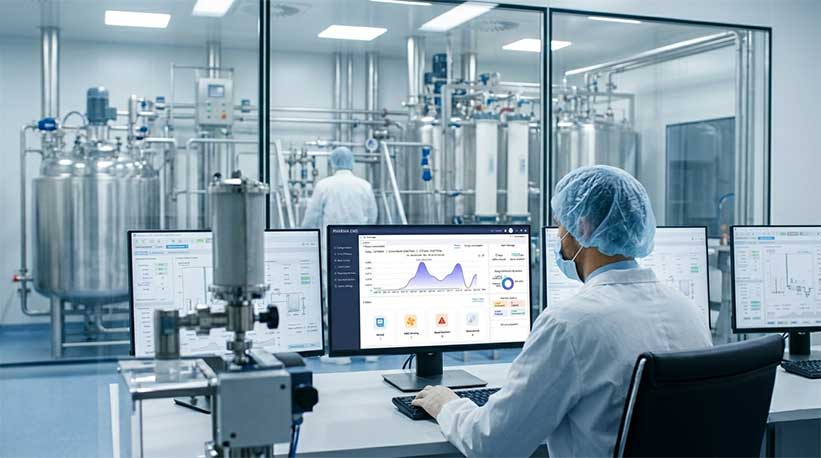
Many people say that the pharmaceutical industry is a typical high-energy-consuming and highly regulated industry, and that's absolutely true. From maintaining a sterile environment and operating precision equipment to strict temperature control, every production step requires a significant amount of electricity, heat, and steam.
Therefore, with global focus on sustainable development (ESG) and rising energy costs, implementing an Energy Management System (EMS) has become an efficient solution for pharmaceutical companies to reduce operating costs, ensure compliance, and achieve green transformation.
However, before delving into EMS, we need to understand the unique challenges pharmaceutical plants face in energy use:
HVAC (Heating, Ventilation, and Air Conditioning) Power Consumption: To meet GMP (Good Manufacturing Practice) standards, cleanrooms need to maintain constant temperature, humidity, pressure, and cleanliness. HVAC systems typically account for 50% to 70% of the total energy consumption of the entire plant.
High Risk of Continuous Production: Pharmaceutical processes (such as fermentation and freeze-drying) often cannot be interrupted. Any power fluctuations or energy supply disruptions could render an entire batch of pharmaceuticals unusable, resulting in significant losses.
Compliance and Data Integrity: No energy optimization measure should ever come at the expense of drug quality (CQA). Therefore, the collection and analysis of energy data must comply with the data integrity requirements of relevant regulations.
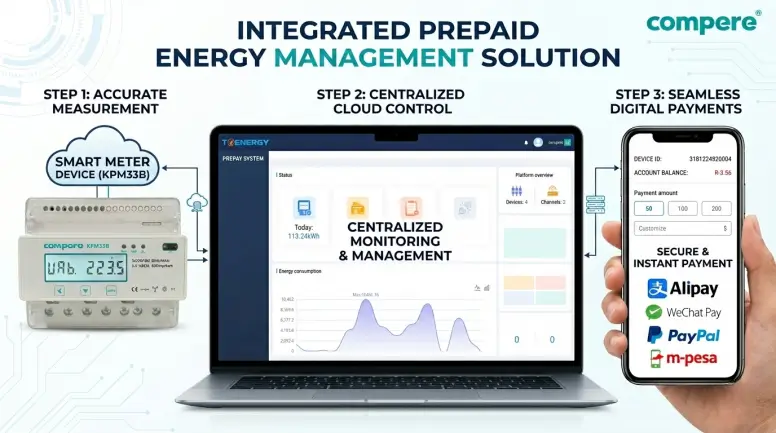
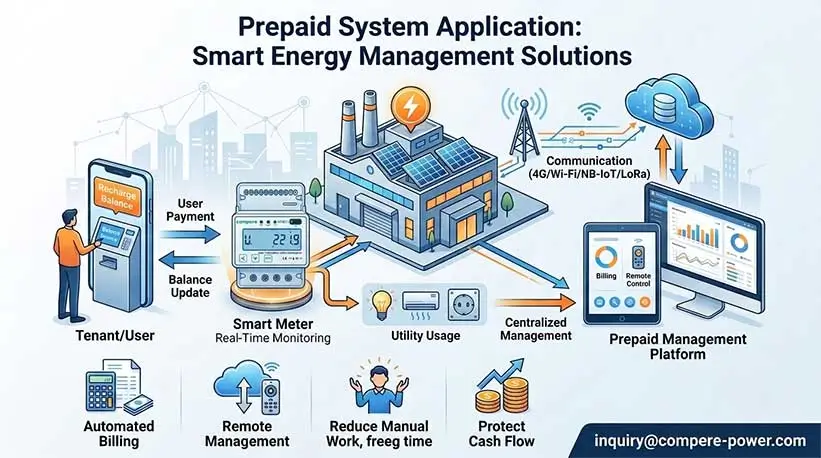
A mature pharmaceutical energy management system is more than just a "meter reading" tool. It integrates the Internet of Things (IoT), big data analytics, and automated control technologies, primarily comprising the following core modules:
1. Real-time Data Acquisition and Monitoring
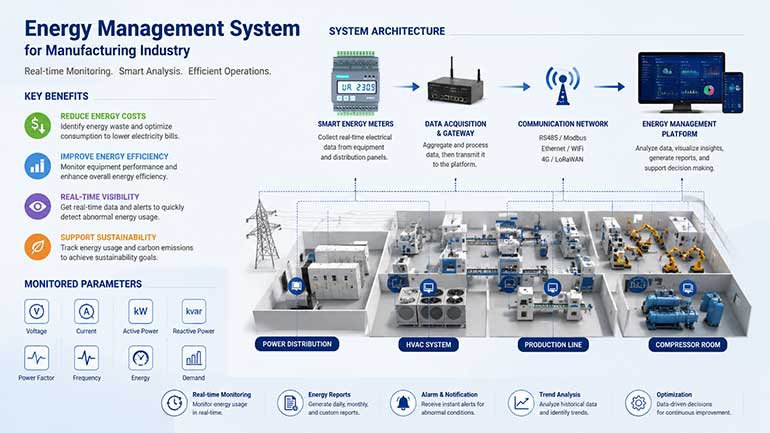
The EMS collects real-time consumption data for electricity, water, steam, compressed air, and natural gas through smart meters, flow meters, and temperature sensors installed throughout the plant. Simultaneously, the system interfaces with the plant's existing control system, linking energy consumption data to production batches.
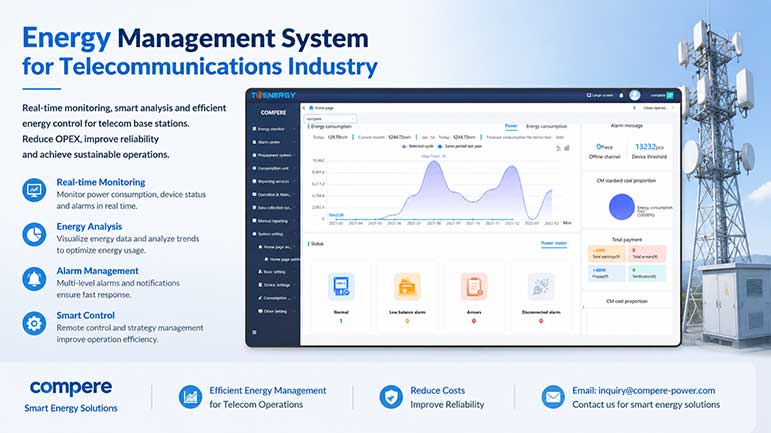
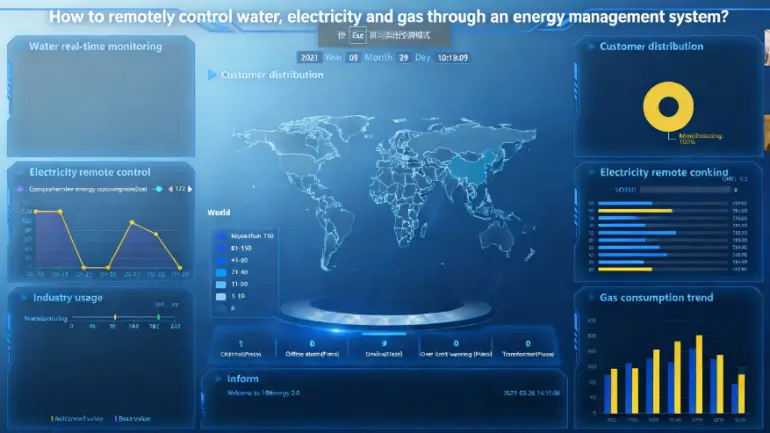
2. Energy Efficiency Dashboard and KPI Analysis
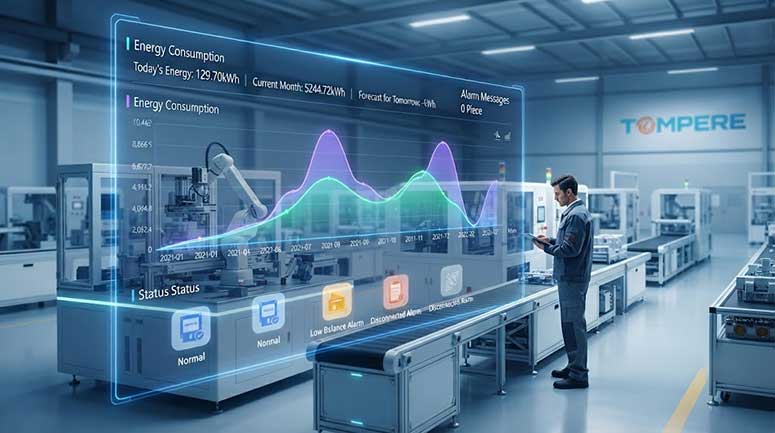
The system transforms dry data into intuitive charts. Managers can track Key Performance Indicators (KPIs), such as:
Energy consumption per unit product (kilowatt-hours consumed per kilogram or bottle of medicine produced)
Cleanroom energy efficiency ratio
Transformer and power system efficiency
3. Anomaly Warning and Predictive Maintenance
When the energy consumption of a piece of equipment suddenly deviates from the baseline (e.g., a leak in the compressed air pipeline causing an abnormal increase in power consumption), the EMS will immediately issue an alarm. Through AI algorithms, the system can also predict the failure risk of equipment (such as chillers and air compressors) and remind maintenance before it deteriorates.
4. Batch Energy Costing
This is a major feature of pharmaceutical EMS. The system can accurately allocate energy consumption to each specific production batch, helping finance and operations teams accurately calculate the actual carbon footprint and true cost of products.
Dynamic Optimization of HVAC Systems
This is where the greatest energy-saving potential lies. EMS can be linked with environmental monitoring systems (EMS/BMS). During non-production periods or when the cleanroom is unoccupied, the system automatically switches to a "nighttime energy-saving mode" within the limits permitted by GMP regulations, reducing air changes and thus significantly reducing fan and cooling power consumption.
Efficient Operation of Power Plants (Steam and Chilled Water)
Pharmaceutical processes require large amounts of steam for sterilization and chilled water for cooling. EMS can dynamically adjust the operating status of boilers and chillers based on the actual production load of the entire plant, avoiding energy waste caused by overloading.
Waste Heat Recovery and Utilization
Pharmaceutical plants generate significant amounts of waste heat from air compressors, chillers, and exhaust systems. EMS can assess and monitor waste heat recovery systems (such as heat pumps), using this waste heat to preheat boiler feedwater or process water.
Significant Cost Reduction: Generally, pharmaceutical plants can reduce overall energy expenditure by 10% to 25% after implementing EMS and making targeted optimizations.
Facilitating Carbon Neutrality and ESG Compliance: Automatically generates carbon emission reports, quantifies emission reduction achievements, and meets government regulatory requirements and international clients' assessments of green supply chains.
Enhancing Production Resilience: Protects high-precision pharmaceutical equipment and reduces unplanned downtime due to power issues by monitoring power quality (such as harmonics and voltage dips).
Supporting Decision-Making: Provides robust data support for future factory expansion and equipment upgrades (such as replacing magnetic levitation chillers), avoiding blind investment.
In the pharmaceutical industry, prioritizing both green production and efficient compliance has become an inevitable trend. Energy Management Systems (EMS) are not merely energy-saving tools, but also the infrastructure for pharmaceutical companies to achieve digital transformation, lean production, and sustainable development. By transforming energy data into management intelligence, pharmaceutical companies can achieve a win-win situation for both economic and environmental benefits while ensuring drug quality.
Have you any problem, please contact us via message