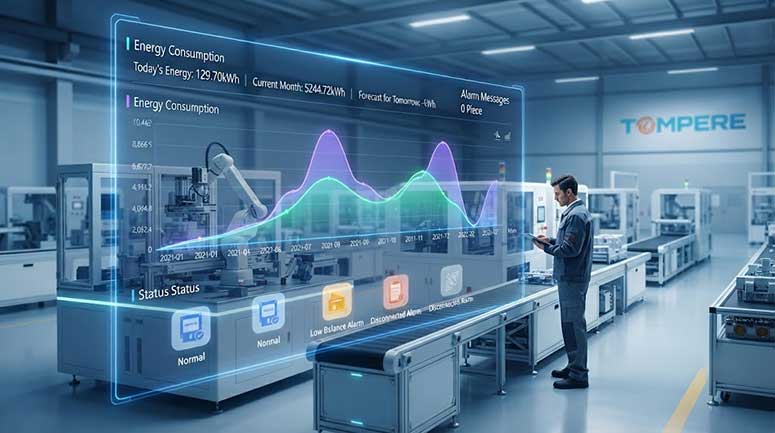

Modern office buildings are becoming increasingly complex energy environments. With multiple floors, different tenants, HVAC systems, lighting networks, data centers, and office equipment operating simultaneously, managing electricity consumption has become a major challenge for facility managers.
Traditional electricity management methods usually rely on monthly utility bills or manual meter reading. Although these methods provide basic consumption information, they cannot show detailed energy usage patterns or help identify where electricity is being wasted.
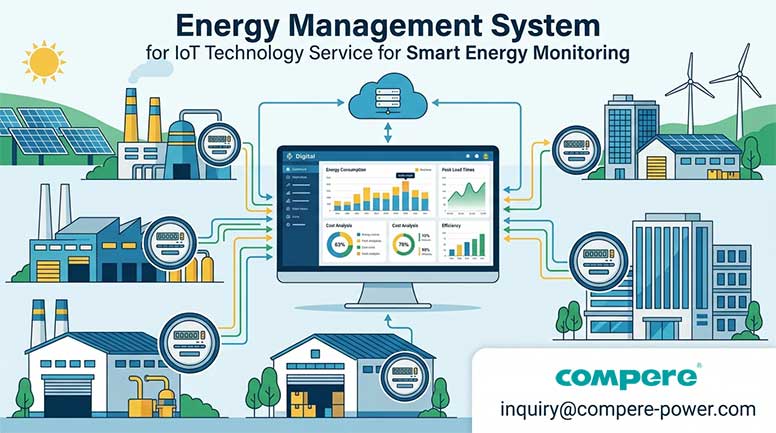
A smart electricity monitoring system for office buildings provides a complete digital energy management solution by combining smart electricity meters, communication technologies, cloud platforms, and energy analysis software. The system enables real-time electricity monitoring, detailed consumption analysis, and intelligent energy optimization.
By implementing a smart monitoring solution, office buildings can improve energy visibility, reduce unnecessary electricity consumption, optimize equipment operation, and achieve more efficient energy management.
One of the biggest challenges in office building energy management is the lack of detailed electricity data.
Many buildings only have a main electricity meter, which means managers can only see total energy consumption without knowing:
Without accurate energy data, it is difficult to develop effective energy-saving strategies.
Office buildings contain many different electrical systems that contribute to overall energy consumption:
Because each system has different operating characteristics, building managers need detailed monitoring to understand energy distribution and identify optimization opportunities.
Many energy losses happen silently and cannot be discovered through traditional electricity bills.
Typical examples include:
A smart electricity monitoring system continuously analyzes consumption data and helps managers quickly identify abnormal situations.
Companies worldwide are paying more attention to energy efficiency, carbon reduction, and sustainable building management.
To achieve these goals, office buildings need:
Smart electricity monitoring provides the digital foundation required for modern energy management.
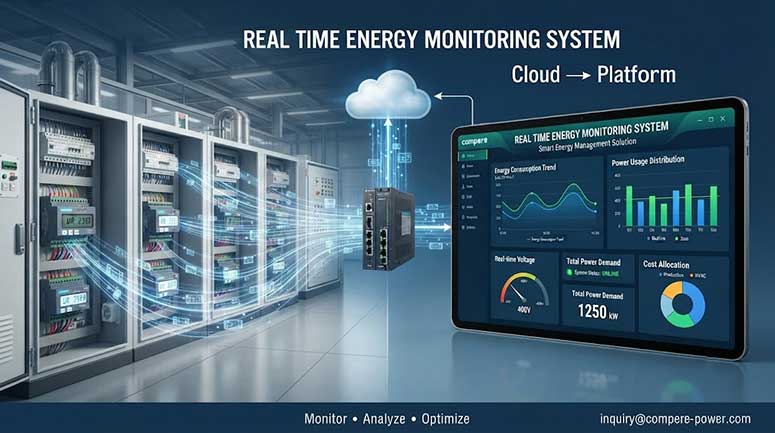
A professional smart electricity monitoring system for office buildings is not only a meter installation project. It is a complete solution that covers energy data collection, communication, monitoring, analysis, and optimization.
The complete system architecture includes five key layers:
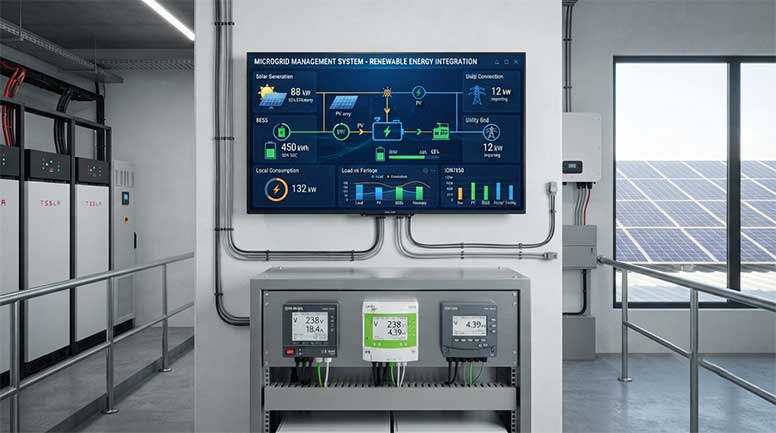
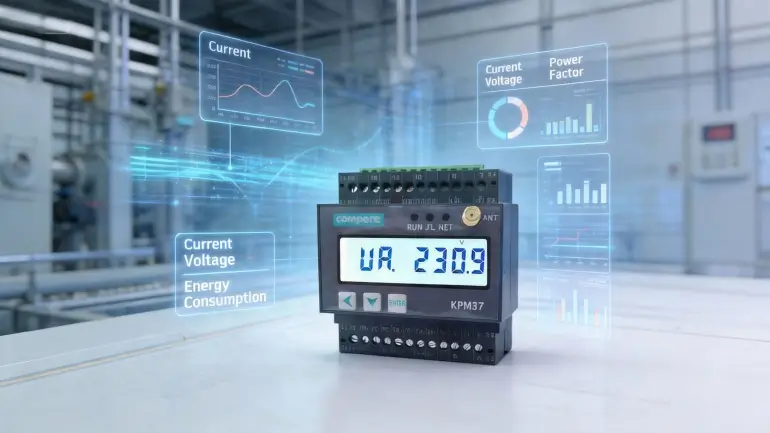
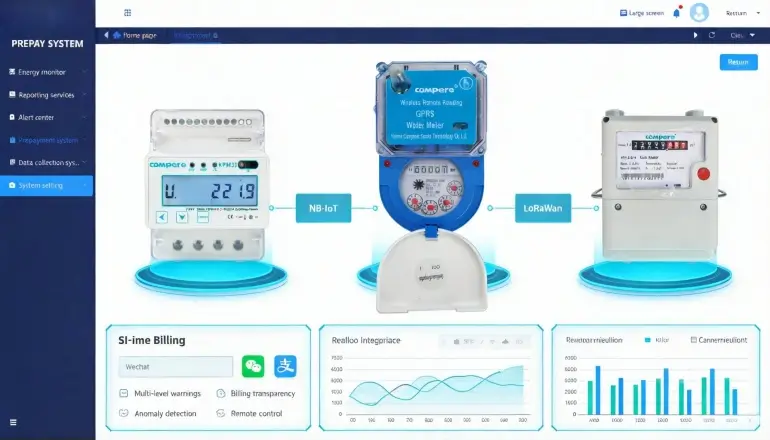
Smart electricity meters are the foundation of an office building energy monitoring system. They collect real-time electrical data from different areas and provide accurate information for energy analysis.
Depending on project requirements, different types of smart meters can be selected.
Suitable for:
Suitable for:
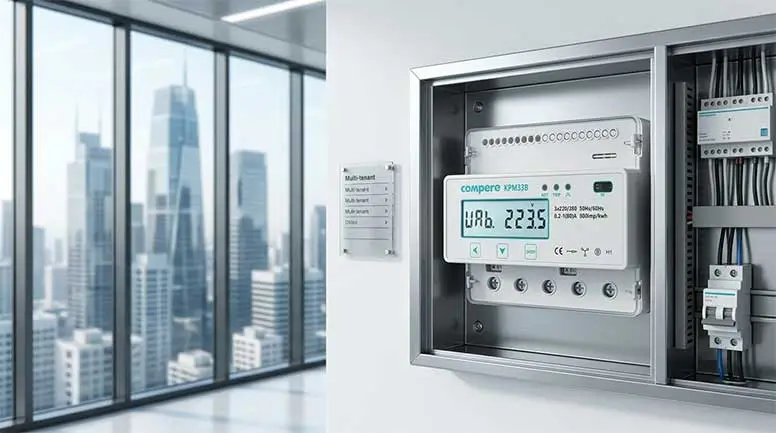
DIN rail meters are widely used in electrical cabinets because of their compact size and easy installation.
They are suitable for:
For existing office buildings, replacing electrical equipment can be difficult and expensive.
External current transformer (CT) solutions provide a more flexible option by allowing electricity measurement without major changes to existing wiring.
Advantages include:
After smart meters collect electricity data, reliable communication is required to transmit information to the energy management platform.
Different office buildings can choose suitable communication methods based on project conditions.
RS485 Modbus is commonly used in industrial and commercial energy monitoring projects because of its stability and compatibility.
Ethernet provides fast and reliable data transmission and is suitable for buildings with existing network infrastructure.
Wireless technologies such as WiFi, 4G, and LoRaWAN provide flexible options for retrofit projects.
Benefits include:
After electricity data is collected and transmitted through communication networks, the next step is centralized management and analysis through an energy management platform.
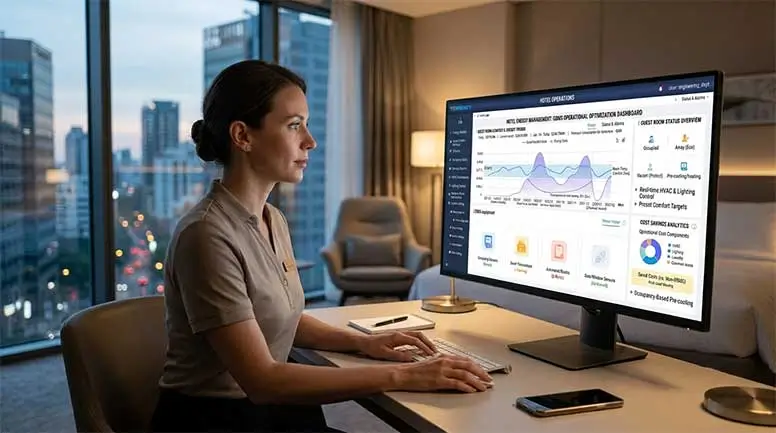
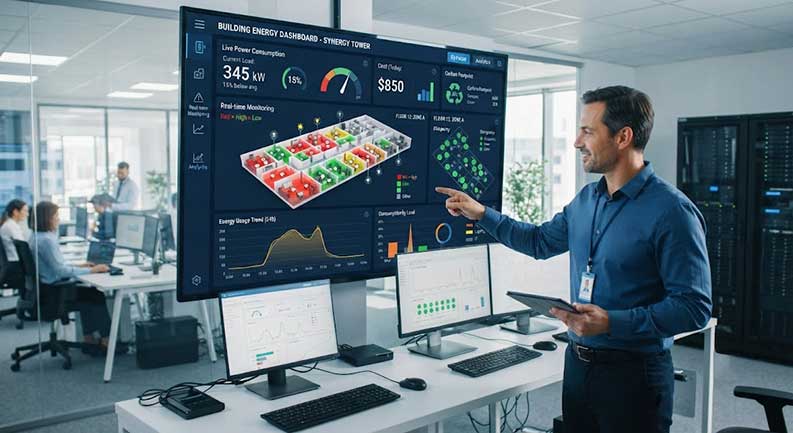
A cloud-based energy management system allows facility managers to monitor office building electricity usage remotely through computers, tablets, or mobile devices.
The platform provides a complete overview of energy performance and helps managers make better decisions based on real-time data.
One of the most important advantages of a smart electricity monitoring system is the ability to perform sub-metering.
Instead of only monitoring total building electricity consumption, sub-metering allows managers to understand energy usage at different levels.
A typical office building monitoring structure may include:
For example, a commercial office building can install smart electricity meters for each floor, while separately monitoring air conditioning systems, lighting systems, and public facilities.
This detailed energy visibility helps property owners improve energy allocation, optimize operating strategies, and provide accurate electricity management.
For small office buildings, the main goal is usually improving energy visibility and controlling electricity costs.
A typical solution includes:
This allows managers to understand daily electricity consumption and identify unnecessary energy usage.
Large office buildings require more detailed energy monitoring because different floors, tenants, and systems have different electricity consumption patterns.
The solution may include:
This solution improves energy transparency and supports better building operation.
For multiple-building projects, a centralized smart electricity monitoring system enables unified management.
Facility managers can:
Many office buildings already have existing electrical systems and cannot stop operation for large-scale upgrades. Therefore, retrofit-friendly monitoring solutions are highly valuable.
A smart electricity monitoring system can be installed in existing buildings through flexible technologies.
External current transformer solutions allow electricity measurement without replacing existing cables.
Advantages:
Wireless communication technologies such as WiFi, 4G, and LoRaWAN provide a practical option for office building upgrades.
They are especially suitable for:
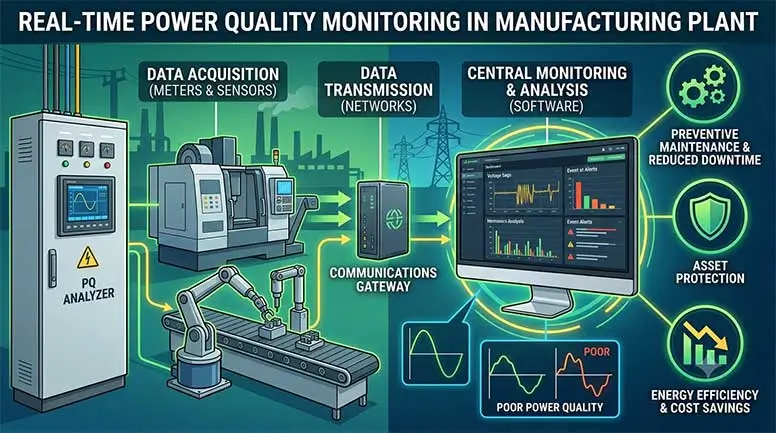
A complete smart electricity monitoring solution follows a clear energy management workflow:
Smart electricity meters collect real-time electrical parameters from different monitoring points.
Communication gateways transmit meter data through wired or wireless networks.
The energy management platform displays electricity consumption information through dashboards and reports.
The system analyzes consumption patterns, identifies energy waste, and detects abnormal conditions.
Facility managers take actions based on data insights, such as adjusting equipment schedules, optimizing HVAC operation, and improving energy efficiency.
Selecting the right system depends on building size, monitoring requirements, and future expansion plans.
Different applications require different meter types:
The communication method should match the building environment.
A good energy monitoring system should support future expansion, including:
Every office building has different electrical structures, management requirements, and installation conditions. A professional solution provider can design a suitable system based on actual project requirements.
A complete smart electricity monitoring solution provider should offer:
Whether it is a new office building project or an existing building retrofit, a professional energy monitoring solution can help organizations achieve better energy visibility, lower operating costs, and smarter electricity management.
A smart electricity monitoring system for office buildings is an intelligent solution that uses smart meters, communication technologies, and energy management software to monitor electricity consumption in real time. It helps building managers analyze energy usage and improve efficiency.
The system provides detailed electricity consumption data and helps identify energy waste, abnormal usage, and inefficient equipment operation. By optimizing HVAC, lighting, and electrical equipment schedules, businesses can reduce unnecessary energy consumption.
Yes. Retrofit solutions using external CT meters and wireless communication technologies allow smart monitoring systems to be installed in existing office buildings with minimal electrical modification.
Smart electricity monitoring systems can support various communication methods, including RS485 Modbus, Ethernet, WiFi, 4G, and LoRaWAN. The best choice depends on the building structure and project requirements.
A smart electricity monitoring system provides office buildings with complete visibility into electricity consumption and creates a foundation for energy optimization.
From smart meters and communication networks to cloud energy management platforms, the complete solution helps businesses improve operational efficiency, reduce energy costs, and achieve smarter building management.
If you are looking for a customized smart electricity monitoring system for office buildings, contact our energy solution team to discuss your project requirements.
Request a customized energy monitoring solution today.
Have you any problem, please contact us via message