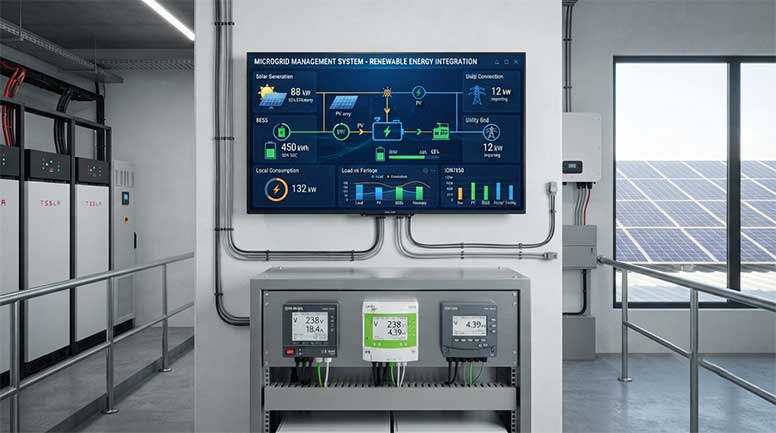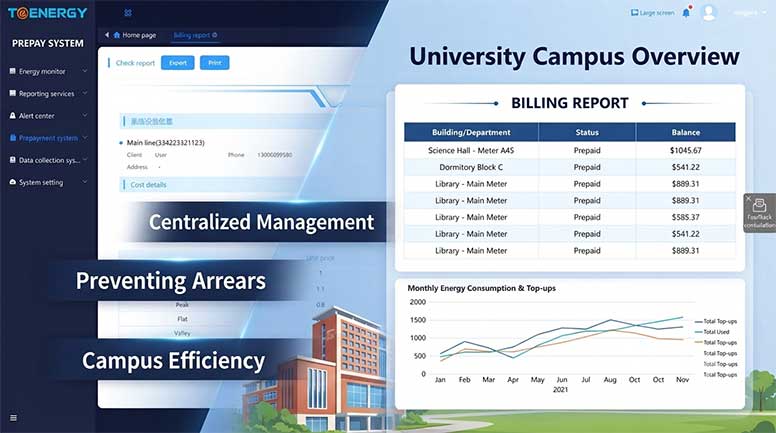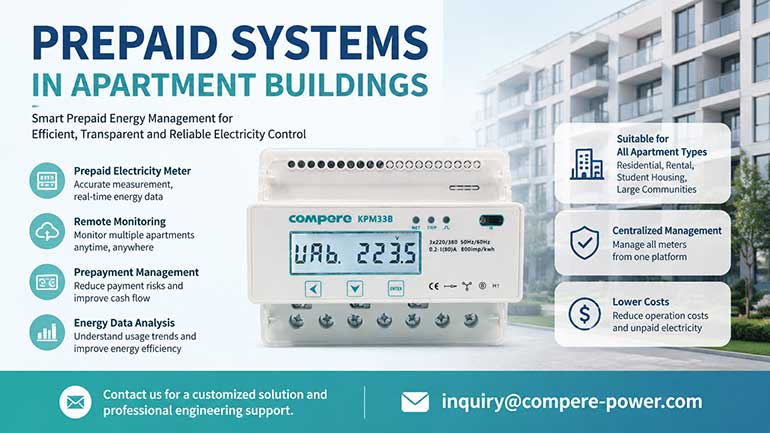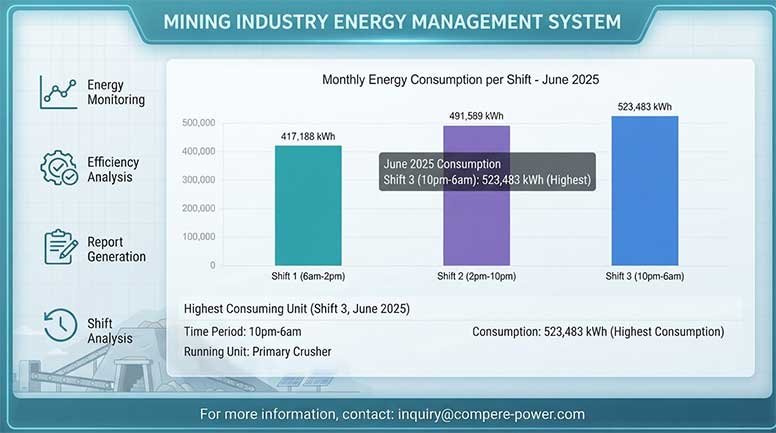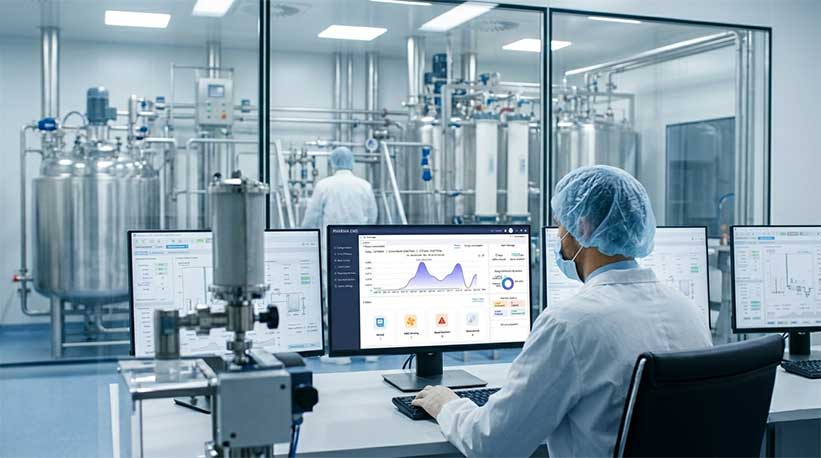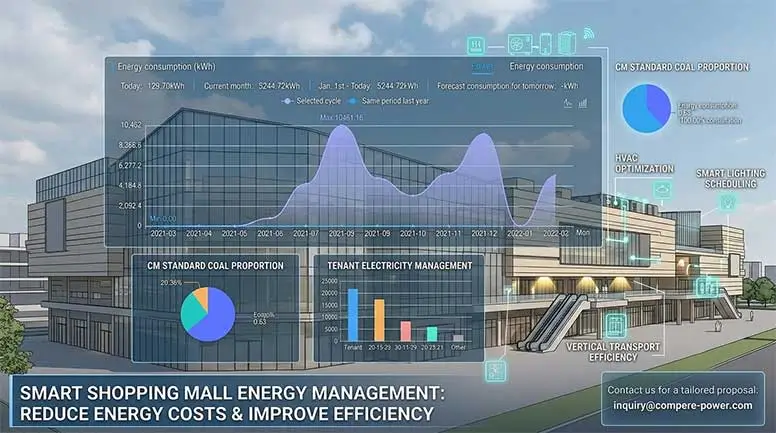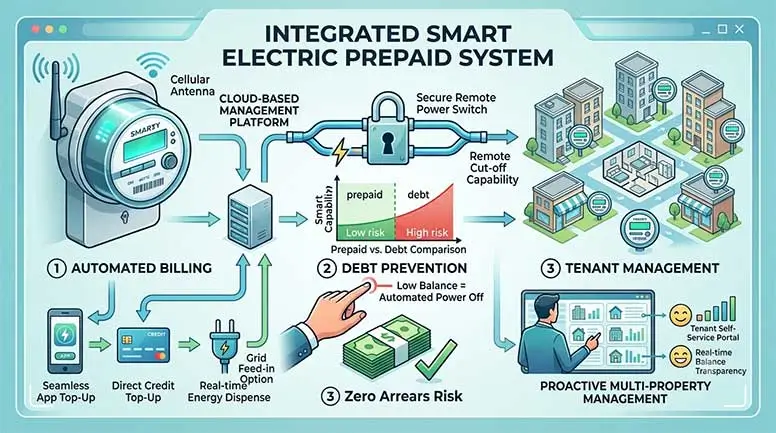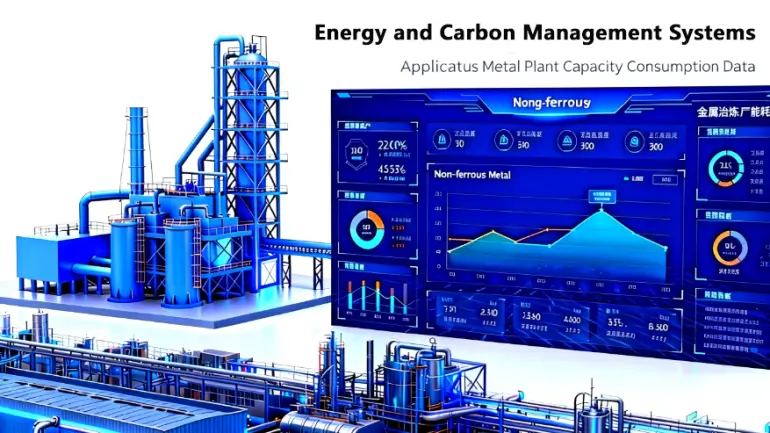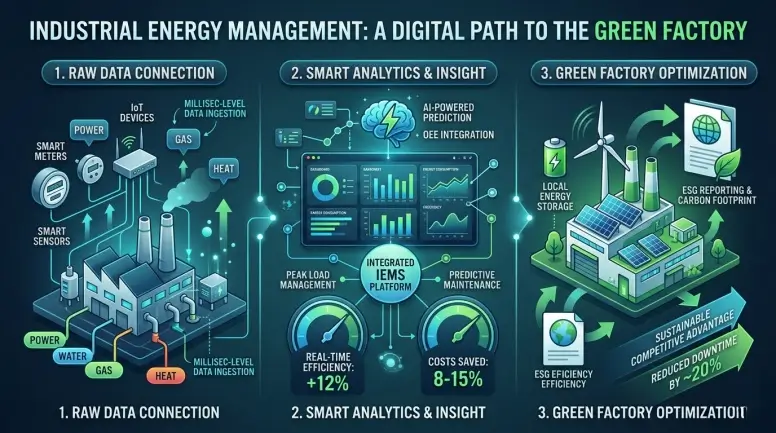

An energy management system is an information system tool that enables intelligent management of factories, creating a digital smart factory. Furthermore, it can remotely monitor and analyze energy consumption, providing centralized management and supervision. This achieves remote monitoring and management of energy consumption, helping to optimize energy management plans, improve energy utilization efficiency, and reduce unnecessary waste.
Compere, with its rich industry experience and strong technical team, has independently developed an energy management system capable of controlling water, electricity, and gas. Currently, it has helped over 1000 enterprises achieve intelligent energy management, significantly improving management efficiency and reducing manual management costs.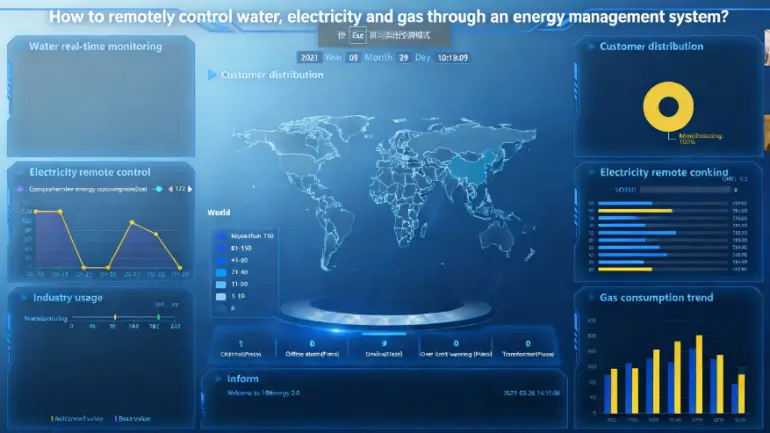
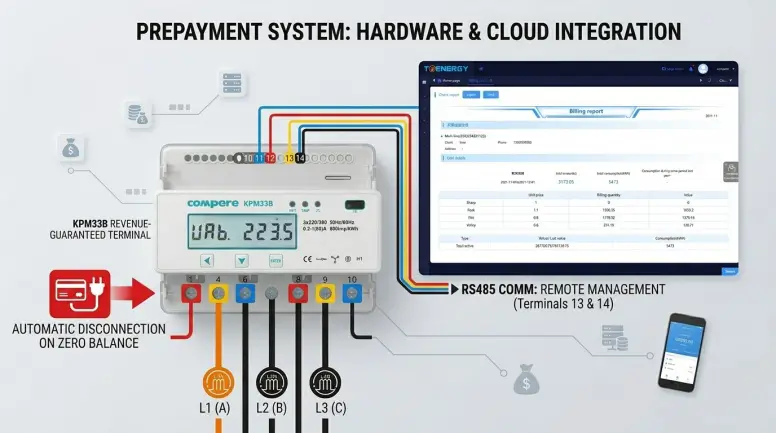
The energy management system has excellent compatibility and supports the access of various communication modules, such as RS-4485 wired communication, 4G/NB wireless IoT communication, and power line carrier wireless communication. It can automatically read various energy consumption data remotely via mobile phone or computer.
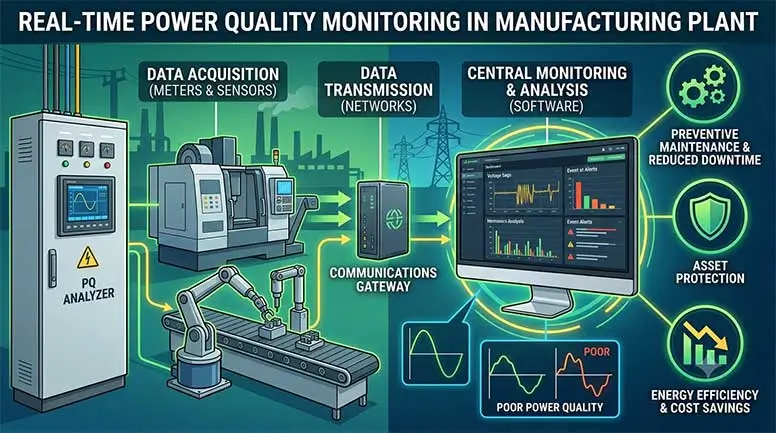
Real-time monitoring of energy consumption: The energy management system can monitor energy consumption data in real time and display energy consumption through a visual interface. Users can view energy consumption data and understand energy usage at any time via mobile phone or computer.
Data analysis and report generation: The energy management system can summarize, analyze, and process data, automatically generating visualized data reports based on different time and regional dimensions, such as energy consumption reports, trend analysis, and energy consumption forecasts, helping users better understand and manage energy consumption.
Remote device control: The energy management system allows users to remotely control the operating status of energy-consuming equipment through the network. For example, users can remotely adjust the temperature of air conditioners, turn on or off lighting, etc., allowing for timely adjustments to energy use and improving energy utilization efficiency.
Energy-consuming equipment optimization: Through the energy management system, users can monitor the energy consumption of different devices and adjust them. For example, they can reduce the power of certain devices or disable unnecessary equipment to reduce energy waste.
Data security: To ensure the security of energy consumption data, a series of security measures are necessary. For example, using data encryption technology to protect the security of data transmission, and using firewalls and intrusion detection systems to protect the security of the energy monitoring and management system server. User Permission Management: System administrators should manage user permissions, setting different access and operation rights for different users. This effectively ensures the security and controllability of the system, preventing unauthorized users from accessing and operating the system.
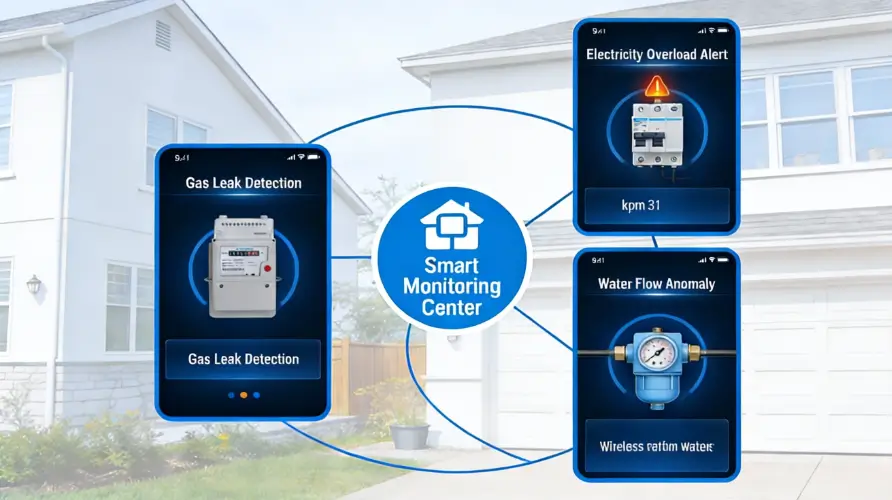
The application of energy management systems provides enterprises and users with a convenient energy management solution for controlling electricity, water, and gas. It helps users optimize their energy management plans, reduce energy losses, further enhance the intelligence level of energy management, and bring greater convenience and economic benefits to energy monitoring and management.
Have you any problem, please contact us via message