
Under the grand strategy of "dual carbon" (energy and carbon emissions), the energy-intensive and high-emission non-ferrous metals industry is facing unprecedented pressure to transform. Single-minded "energy management" can no longer meet the comprehensive requirements of the new era for enterprises' green, low-carbon, and sustainable development. Therefore, an intelligent platform integrating energy management and carbon emission management—the energy and carbon management system—is transforming from an "optional" to a "must-have," becoming the core engine leading the industry's future development. This article will delve into how this system empowers non-ferrous metal enterprises, achieving a dual revolution in efficiency and environmental protection.
The non-ferrous metals industry is a pillar of the national economy, but it also faces severe challenges:
"Dual High" Containment:Electrolytic aluminum and copper smelting processes are major sources of energy consumption and carbon emissions, making them key targets for energy conservation and emission reduction by the Ministry of Industry and Information Technology.
Dual Pressure from Costs and Compliance:Energy costs remain a high proportion of total costs, while national carbon markets and environmental taxes force enterprises to precisely manage their carbon assets.
Data Silo Challenge: Energy data and carbon emission data are handled by different departments, lacking a unified standard and platform, leading to difficulties in carbon inventory and insufficient basis for decision-making.
International Green Trade Barriers: Facing carbon border adjustment mechanisms such as the EU's CBAM, product carbon footprint will become a new international trade "passport."
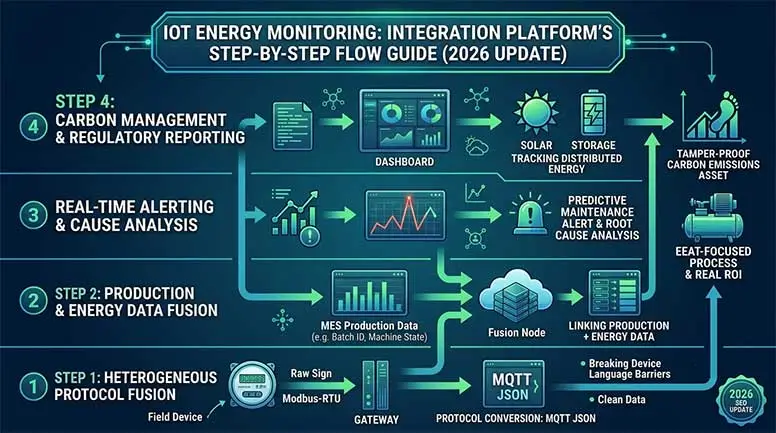
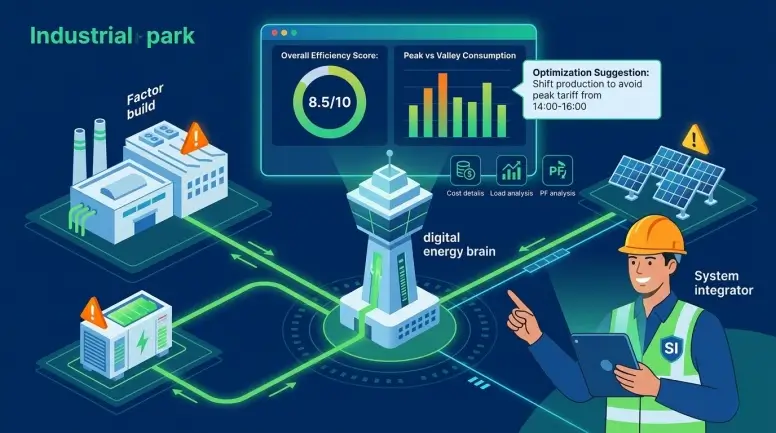
An energy and carbon management system is a digital platform based on IoT, big data, and AI technologies. It enables refined monitoring of various energy consumptions such as electricity, gas, coal, and oil, and automatically calculates, tracks, and reports carbon emission data. Essentially, it is the "central brain" of an enterprise's energy and carbon assets.
(1). "One-Stop" Real-Time Monitoring of Energy and Carbon Emissions
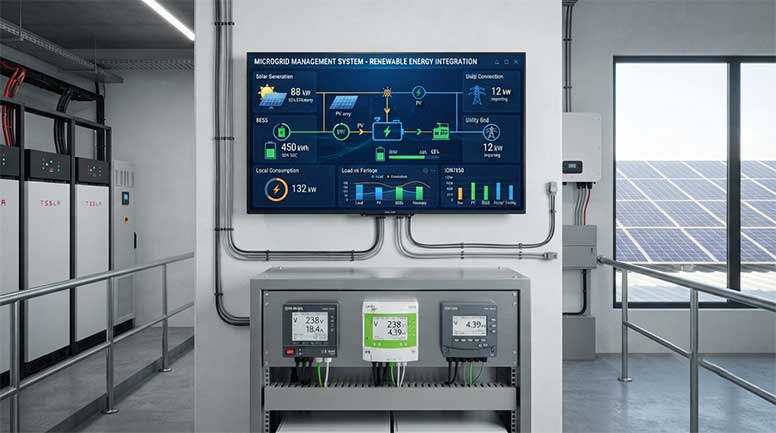
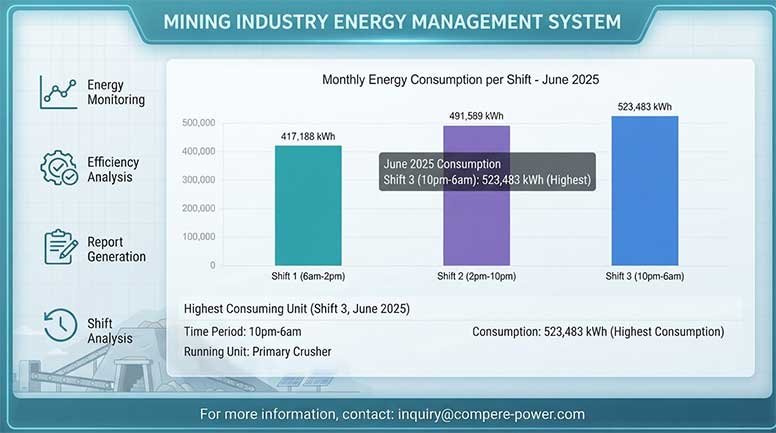
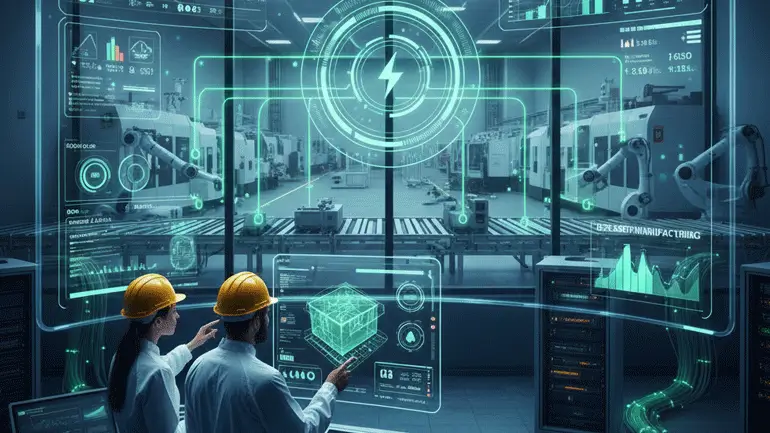
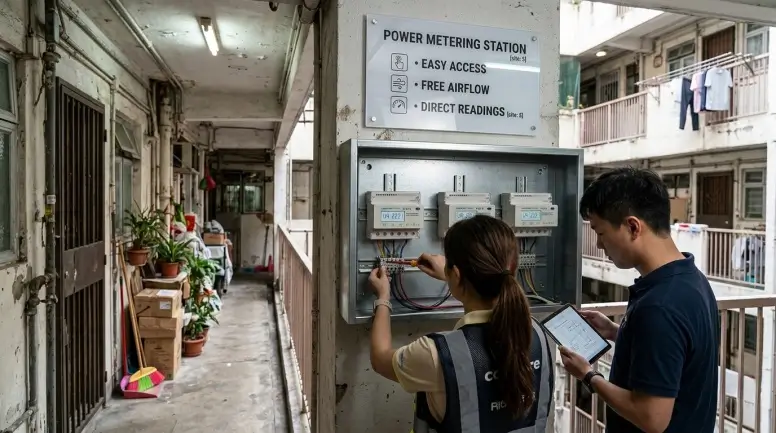
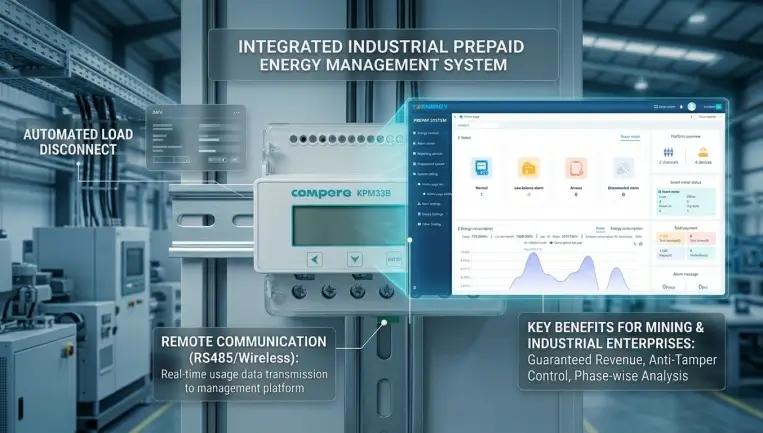
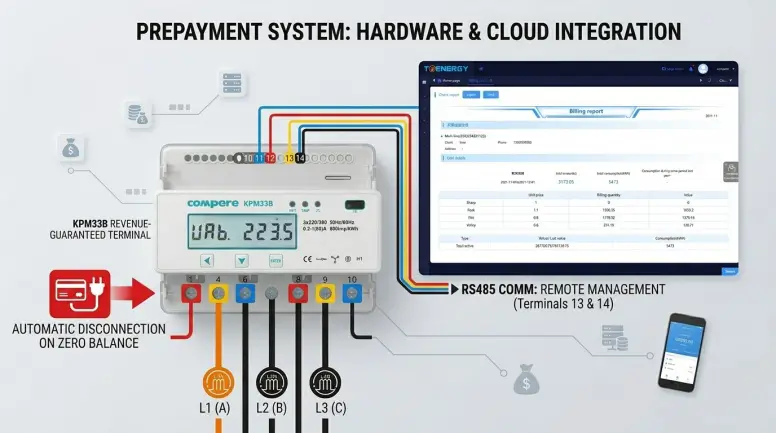
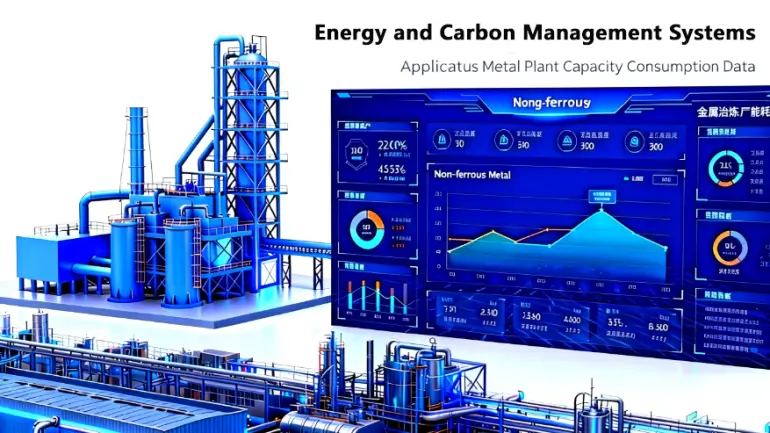
Application: By deploying smart meters and sensors, the system collects energy consumption data from the entire plant, workshops, and key equipment in real time, and automatically converts it into real-time carbon emission data based on emission factors.
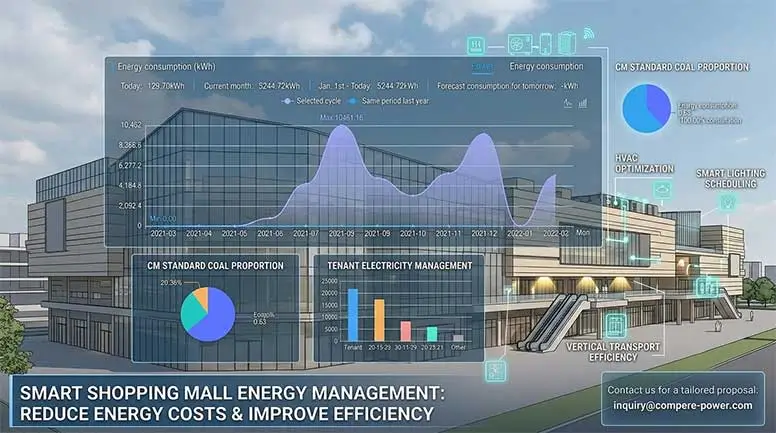
Value: Simultaneously monitors "comprehensive energy consumption per ton of product" and "carbon emission intensity per ton of product" on a single screen, achieving visualization of energy and carbon flows.
(2). Precise and Efficient Carbon Inventory and Carbon Asset Management
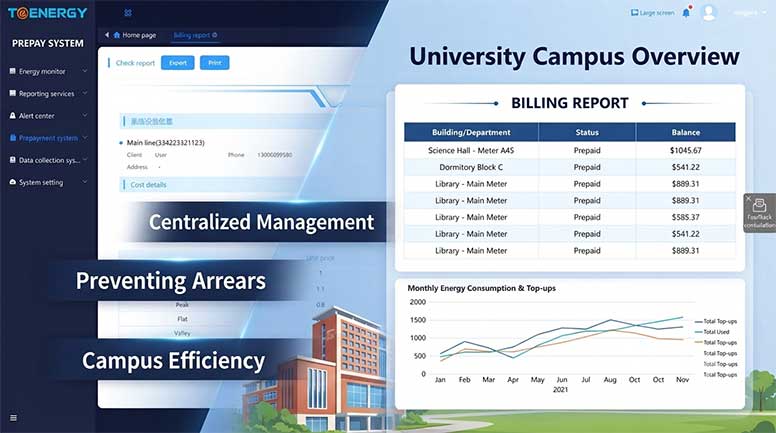
Application: The system has a built-in standardized carbon accounting model that can automatically generate carbon emission reports that meet the requirements of the National Development and Reform Commission and the Ministry of Ecology and Environment. It also manages carbon assets such as carbon quotas and CCERs in a ledger.
Value: Reduces the previously time-consuming and manual carbon inventory process to within a few days, significantly improving accuracy and laying a solid foundation for participating in carbon trading and responding to audits.
(3). AI-Based Energy and Carbon Co-optimization
Application: AI algorithms not only analyze energy consumption data to optimize equipment start-up and shutdown and process parameters, but also incorporate "carbon cost" into the optimization objectives. For example, during peak electricity consumption (high carbon emission factor), the system intelligently adjusts production plans, selecting operating modes with lower carbon emissions.
Value: Upgrades from single-objective optimization of "energy saving" to multi-objective collaborative optimization of "energy saving, carbon reduction, and economic efficiency," achieving the lowest overall cost.
(4). Product Lifecycle Carbon Footprint Tracking
Application: From raw materials and transportation to production and processing, the system can track and record energy consumption and carbon emission data at each stage of the product's lifecycle, automatically generating a product carbon footprint report.
Value: Proactively addressing international green supply chain requirements and customer demand for low-carbon products, enhancing product international competitiveness, and building a green brand.
(5). Carbon Prediction and Compliance Early Warning
Application: Based on production plans and energy consumption forecasts, the system can predict future total carbon emissions and compare them with the company's carbon allowances, providing early warnings of compliance risks.
Value: Providing companies with ample buffer time to avoid compliance penalties by purchasing allowances in advance or implementing emission reduction projects, achieving the preservation and appreciation of carbon assets.
Compliance and Risk Management: Ensuring accurate and traceable carbon emission data, easily handling government inspections and environmental supervisions, and reducing policy compliance risks.
Diversified Economic Benefits:
Cost Reduction: Directly reducing energy costs through energy conservation and consumption reduction.
Revenue Generation: Generating profits in the carbon market through optimized carbon asset trading.
Building Green Competitiveness: Providing credible carbon footprint data serves as a "stepping stone" to accessing high-end supply chains and green finance support, enhancing brand image and corporate ESG ratings.
Driving Intelligent Decision-Making: Providing precise data support for enterprises to formulate medium- and long-term energy-saving and carbon-reduction technology roadmaps and investment decisions, promoting sustainable development.
For non-ferrous metal enterprises aiming for the future, deploying an energy and carbon management system is no longer a "choice" about cost, but a "strategic must-answer question" concerning survival and development. It represents a paradigm shift from traditional extensive management to modern digital lean governance. Embracing energy and carbon management means embracing a green future, seizing the high ground in fierce market competition and the global carbon neutrality wave, and achieving steady and long-term development.
Have you any problem, please contact us via message