
In traditional commercial real estate management, the allocation of energy costs such as water and electricity is often a mess. The common practice is to directly allocate utility bills for the entire building based on the tenant's leased area (proportionate to the building area). This method not only easily leads to conflicts between property management and tenants, and among tenants themselves, but also causes property management companies to miss opportunities for energy optimization and cost reduction.
For property management companies managing multi-tenant commercial buildings, introducing a sub-metering system is shifting from a "bonus" to a "must-have."
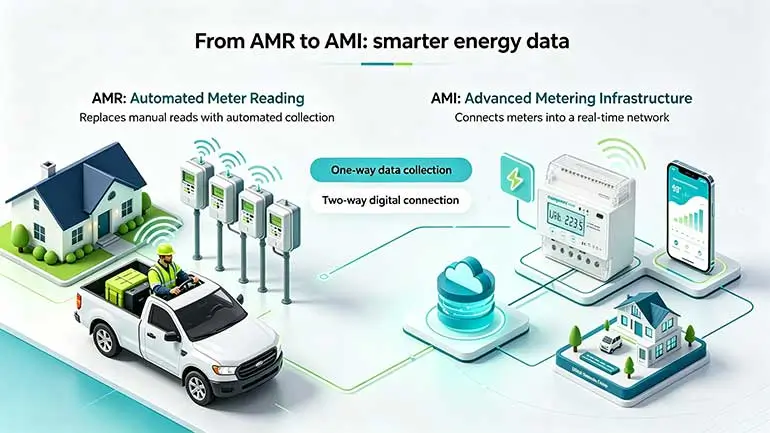
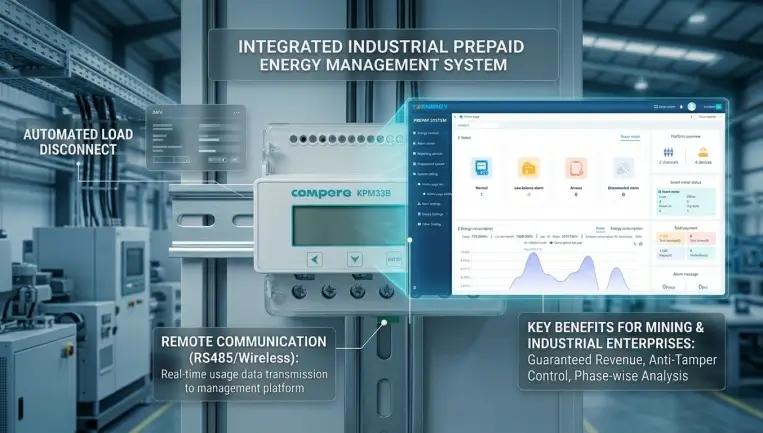
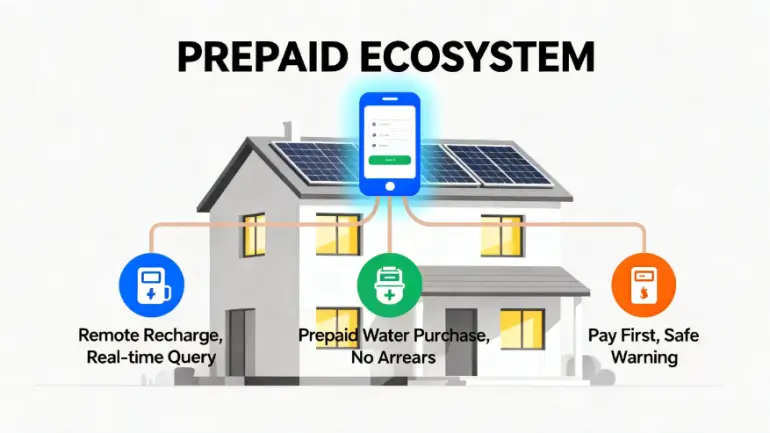
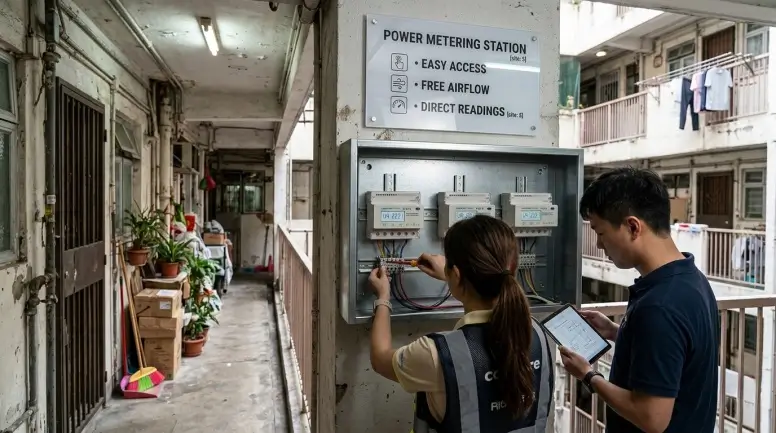
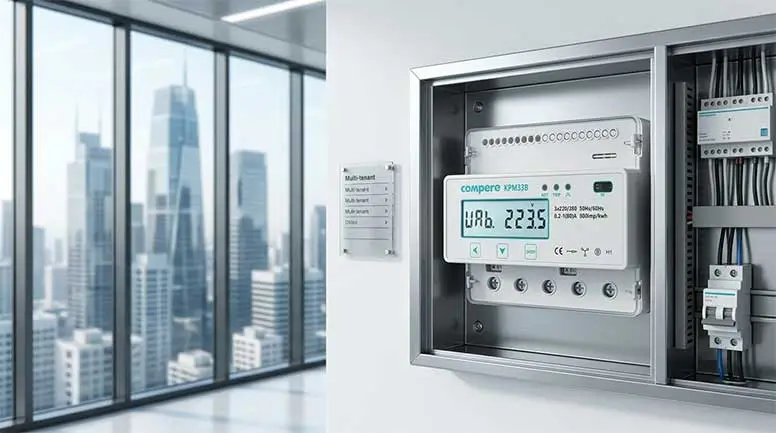
Simply put, sub-metering involves installing secondary meters below the building's main electricity, water, or gas meter for each individual tenant area, specific floor, and even high-energy-consuming equipment (such as central air conditioning terminals and large server rooms). It can record the actual energy consumption of each specific area in real time and accurately.
1. Ensure absolute fairness in cost allocation and reduce tenant disputes.
The biggest drawback of cost allocation based on area is the "bad money drives out good" phenomenon. A low-energy tenant working 9-to-5 and only using an office computer might be forced to share the same unit price of water and electricity bills as a neighboring tenant with a 24-hour server room or high-power equipment.
Accurate billing: Individual metering allows the property management company to provide transparent and undisputed energy bills based on the principle of "whoever consumes, pays."
Improved satisfaction: This transparency significantly enhances tenants' trust in the property management company, thereby increasing lease renewal rates.
2. Stimulate tenants' proactive energy-saving awareness and reduce overall energy efficiency pressure.
When energy bills are directly linked to actual behavior, tenants' motivation to save energy is instantly activated.
According to industry data, simply changing from apportionment billing to individual billing based on actual energy consumption can prompt tenants to voluntarily reduce energy consumption by 15% to 20%.
Tenants begin to proactively turn off lights, adjust air conditioning temperatures appropriately, and shut down unused equipment after get off work. This not only reduces the building's electrical grid and energy load but also helps property management companies more easily meet national carbon emission and green building standards.
3. Timely Detection of Hidden Faults, Reducing Property Operation and Maintenance Risks
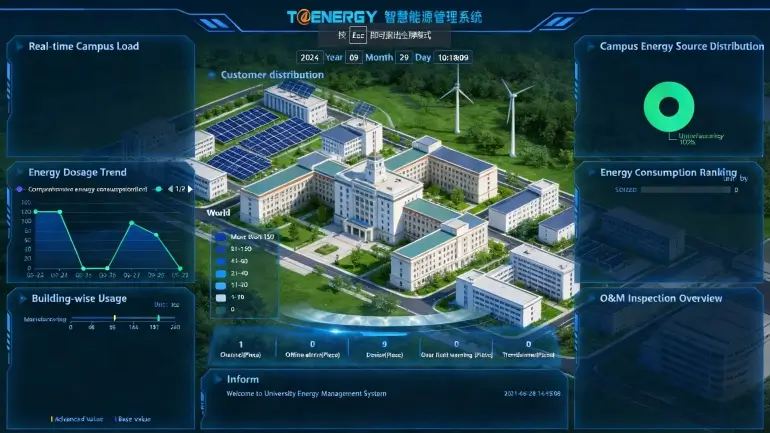
Individual metering is not just for collecting fees; it's also the property management team's "eyes and ears."
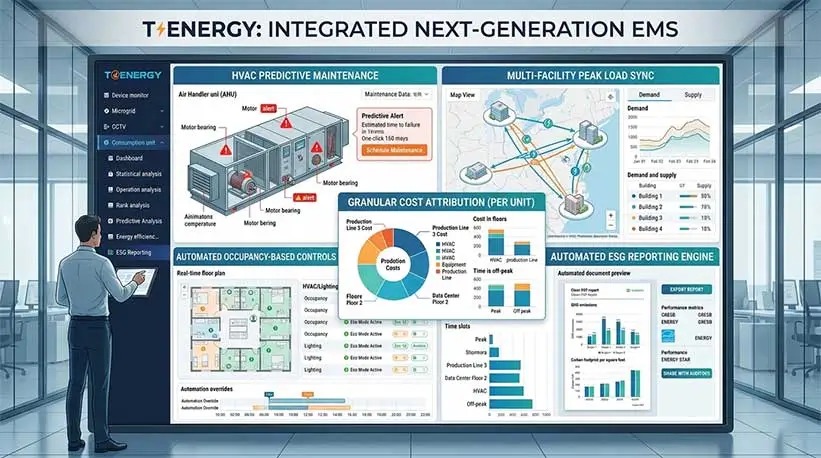
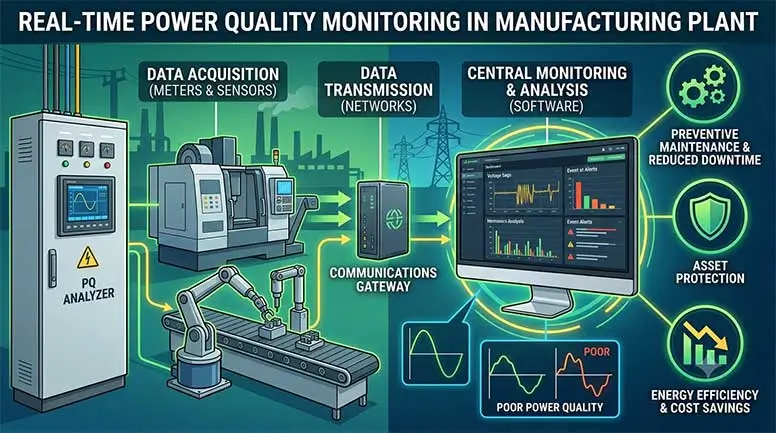
Abnormal Flow Alarm: If a household's water meter maintains a high flow rate even when no one is home on the weekend, or if a floor experiences an abnormal surge in nighttime electricity consumption, the system will immediately issue an alarm.
Preventative Maintenance: This allows the property management team to accurately locate and resolve leaks, equipment malfunctions, or drips before widespread water pipe bursts or electrical equipment overloads cause fires, avoiding high repair costs and claims.
4. Enhancing Asset Value and Market Competitiveness
In today's commercial real estate market, "green building" and "smart property management" are core assets for attracting high-quality tenants (especially multinational corporations and large listed companies). These tenants typically have stringent ESG (Environmental, Social, and Governance) compliance requirements.
Data Support: Individual metering systems provide tenants with detailed energy consumption reports, meeting their carbon inventory and ESG disclosure needs.
Asset Enhancement: Having an efficient, digital individual metering system can directly improve the overall performance of a commercial building in ratings (such as LEED or Green Building Three-Star), thereby increasing the overall property valuation and rental premium potential.
Upgrading traditional "one-size-fits-all" energy management to refined "individual metering" may seem like an investment in hardware and systems, but it is essentially a leap forward in property management. It frees property management companies from frequent billing disputes, transforming them into "smart energy managers" who speak with data.
In today's increasingly competitive commercial real estate market, those who can achieve refined operations first will gain a competitive edge in cost reduction, efficiency improvement, and customer satisfaction. Individual metering is a crucial step in winning this game.
For more information, please refer to the following article:
Industrial Park Energy Management: Sub-metering and Tenant BillingHave you any problem, please contact us via message