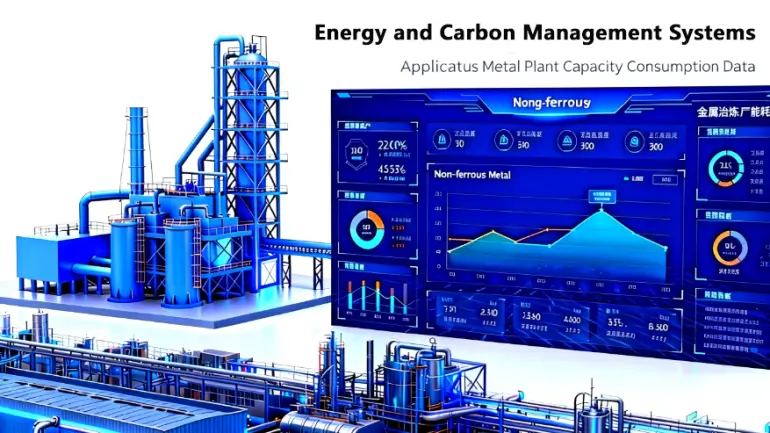
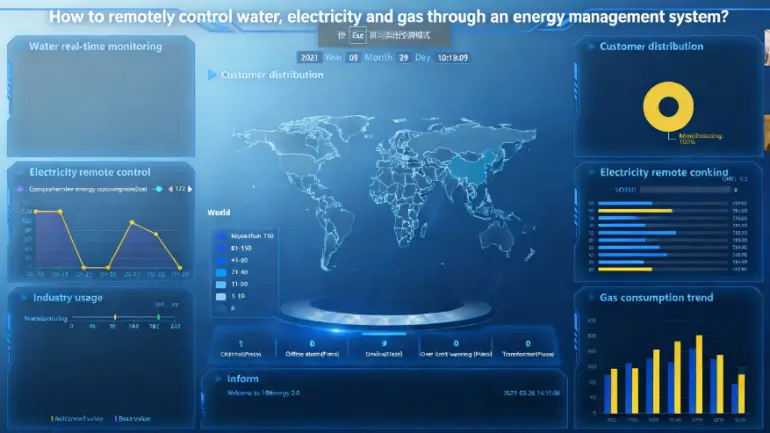
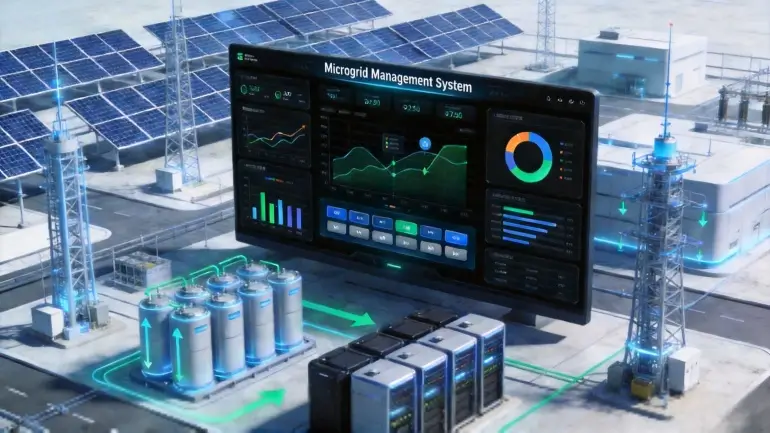
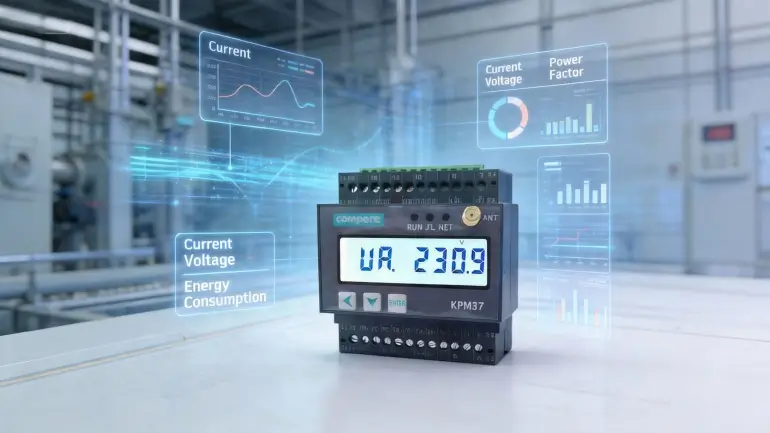
In today's context of continuously rising energy costs and the global goal of carbon neutrality, "energy conservation and consumption reduction" is no longer just a slogan, but a core strategy concerning the survival and competitiveness of enterprises. An energy management system is the ultimate tool for achieving this strategy.
1. What is an Energy Management System?
An
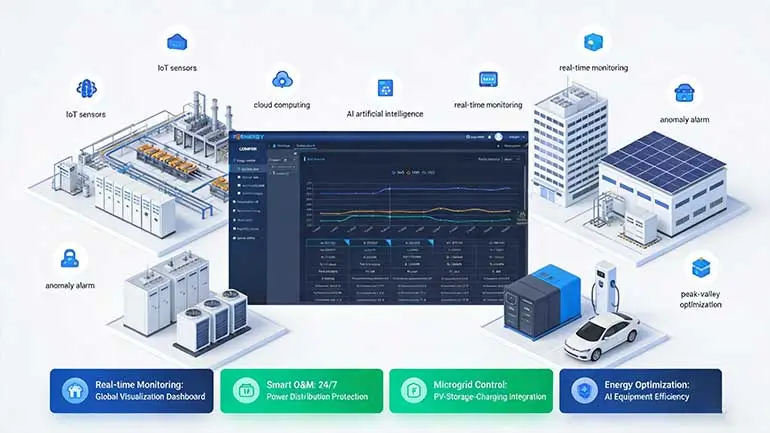
energy management system is a comprehensive system integrating hardware (sensors, meters) and software (data analysis platform). It achieves refined and intelligent management of energy use through real-time collection, monitoring, analysis, and optimized control of various energy sources such as electricity, water, gas, and heat, ultimately reducing costs, improving efficiency, and ensuring safety.
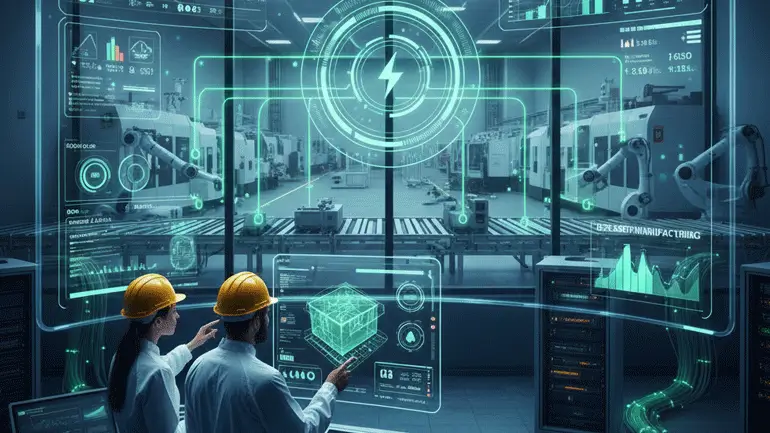
You can think of it as the "intelligent brain" of an enterprise's energy system, making invisible and intangible energy consumption clearly visible, controllable, and optimized.

2. How Does an Energy Management System Work?
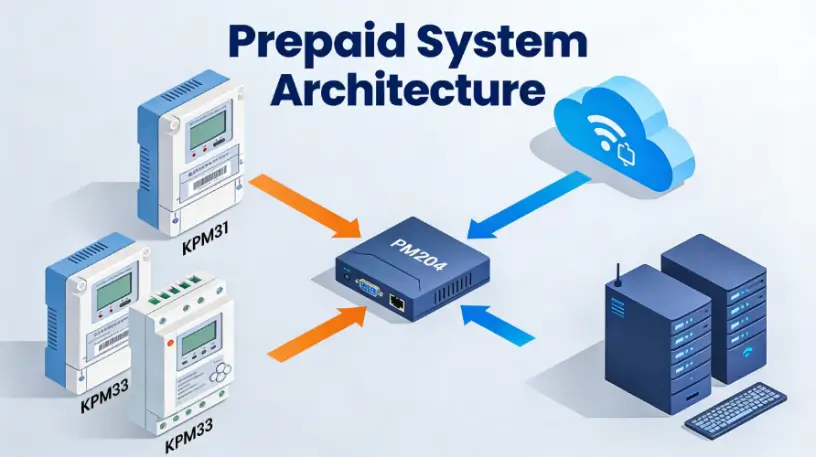
The operation of an EMS includes the following components: Data Acquisition (Sensing Layer): Detailed energy consumption data is collected continuously 24/7 through smart meters and sensors installed in power distribution rooms, production lines, and key equipment.
Data Transmission (Network Layer): Utilizing wired or wireless networks (such as 4G/5G, LoRa, Wi-Fi), the collected data is stably and securely transmitted to the central data processing platform.
Data Analysis and Processing (Platform Layer): This is the system's "brain." The platform stores, calculates, analyzes, and visualizes massive amounts of data, generating various charts, reports, and alarm information.
Optimization and Control (Application Layer): Based on the analysis results, the system can automatically or manually intervene to execute optimization strategies. For example, adjusting air conditioning temperatures during non-production periods, shutting down unnecessary equipment during peak electricity consumption periods, or even remotely controlling equipment start-up and shutdown.
3. Core Functions and Value of an Energy Management System
A mature EMS can bring the following tangible values to an enterprise:
Core Functions:
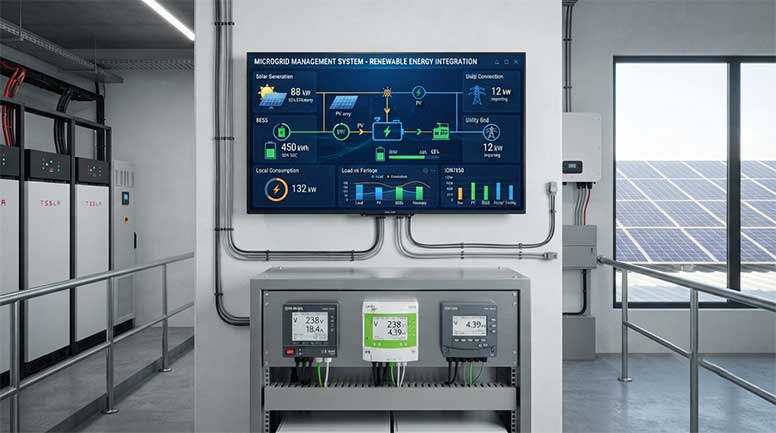
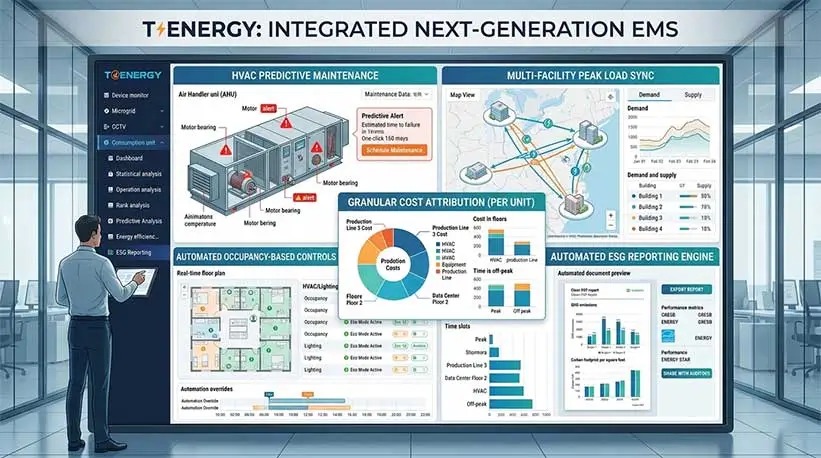
Real-time Monitoring and Dashboards: Transforming complex energy data into clear graphical dashboards, providing a comprehensive understanding of overall energy consumption.
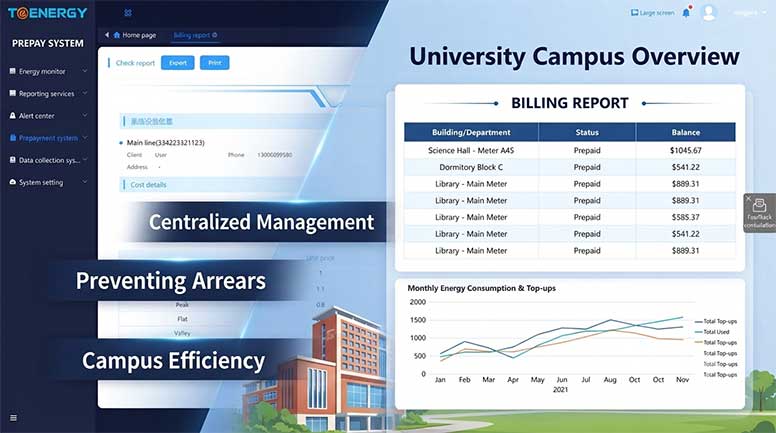
Energy Consumption Statistics and Analysis: Multi-dimensional (by item, by region, by equipment) statistics on energy consumption, accurately identifying "major energy consumers."
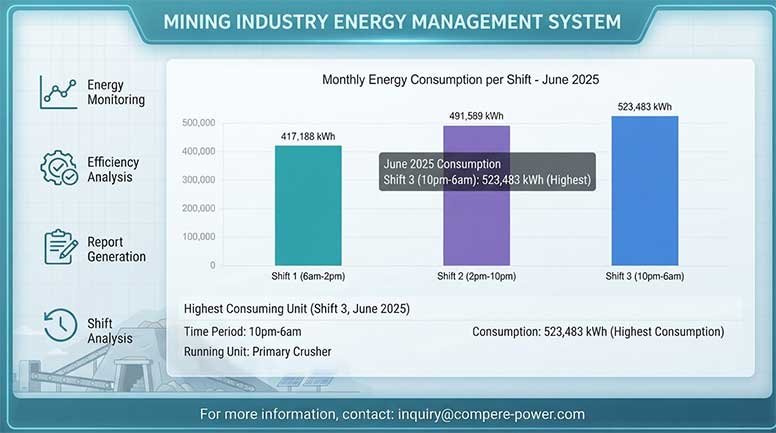
Energy Efficiency Benchmarking and KPI Management: Establish energy efficiency benchmarks, compare energy consumption levels across different workshops and shifts, and implement performance evaluation.
Load Forecasting and Demand Control: Forecast future electricity load and intelligently avoid huge "demand charges" caused by excessive short-term power consumption.
Alarm and Safety Management: Monitor electrical safety parameters in real time (such as leakage current, abnormal cable temperature), issue timely alarms, and prevent fires.
Carbon Emission Management: Automatically convert energy consumption data into carbon emissions, providing data support for corporate carbon inventory and carbon neutrality.
Key Value to Enterprises:
Directly Reduce Energy Costs: By optimizing energy consumption behavior and management strategies, energy savings of 5%-15% can typically be achieved.
Improve Operational Management Efficiency: Shift from "passive response" to "proactive management," reducing the workload of manual meter reading and statistics.
Extend Equipment Lifespan: By monitoring equipment operating status, implement preventative maintenance and reduce unexpected downtime.
Support Scientific Decision-Making: Use data to provide accurate basis for enterprise energy-saving renovations, production scheduling, and other decisions.
Building a Green Brand Image: Meeting government regulatory requirements, demonstrating corporate social responsibility, and enhancing brand reputation.

4. Which Enterprises Especially Need an Energy Management System?
High-Energy-Consuming Manufacturing Industries: Such as steel, chemical, cement, and automobile manufacturing.
Commercial Buildings and Parks: Large office buildings, shopping malls, hospitals, schools, and technology parks.
Data Centers: Electricity costs are their main operating cost, requiring extremely high PUE (Power Usage Effectiveness).
Chain Retailers: Such as supermarkets and convenience stores, requiring unified energy consumption management for their numerous stores across various locations.
5. How to Choose an Energy Management System Suitable for Your Enterprise?
When choosing an EMS, it is recommended to consider the following aspects:
Clarify Your Needs:Do you want to solve problems related to high electricity costs, equipment safety, or carbon accounting?
System Scalability:Can the system be flexibly expanded as the enterprise grows?
Data Acquisition Accuracy and Breadth:** Can it collect sufficiently granular data (down to specific devices)?
Data Analytics Capabilities: Is the platform's analytical model intelligent, and are the reports intuitive and easy to understand?
Supplier Industry Experience: Prioritize suppliers with successful case studies in your industry.
After-Sales Service and Support: Post-deployment training, maintenance, and upgrade services are crucial.
Conclusion: In an era of dual transformation towards digitalization and green development, energy management systems have evolved from a "nice-to-have" option to an essential infrastructure for enterprises to achieve cost reduction, efficiency improvement, safe operation, and green development. Investing in an efficient energy management system is not just paying for IT; it's laying a vital foundation for your company's future competitiveness.