
In the context of carbon neutrality, industrial and commercial enterprises are facing dual pressures: rising energy costs and increasingly stringent energy conservation and emission reduction targets. How can they ensure efficient production and operation while achieving refined energy management?
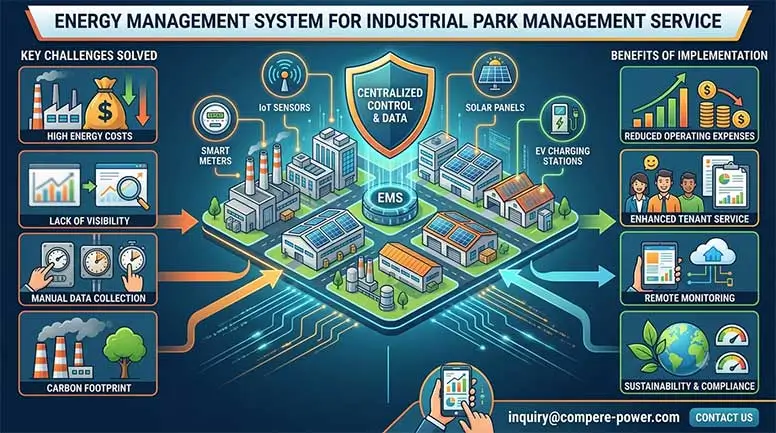
Energy Management Systems (EMS) have become a standard feature of enterprise digital transformation. It acts as the "energy brain" of the enterprise, using digital and intelligent methods to help companies clearly see, manage, and optimize every unit of electricity and every drop of water.
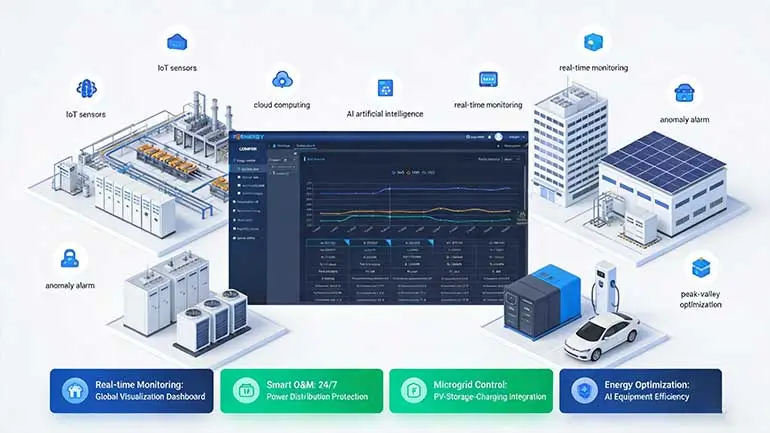
An industrial and commercial EMS is a comprehensive software platform or integrated hardware and software solution that utilizes Internet of Things (IoT), big data, cloud computing, and artificial intelligence technologies to collect, dynamically monitor, analyze, and optimize the energy consumption process of an enterprise in real time.
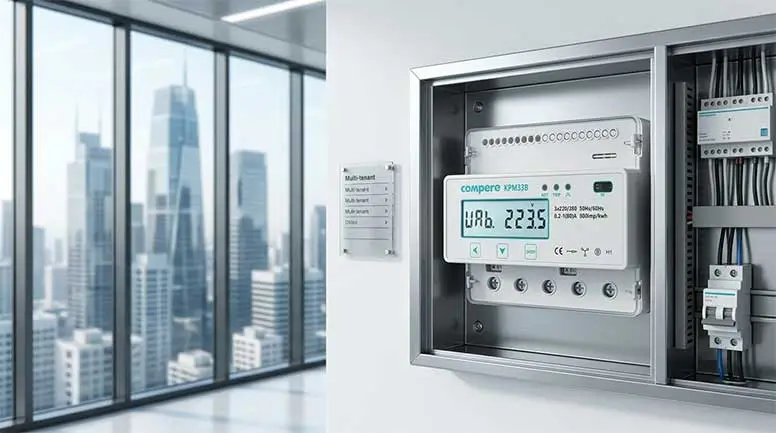
Traditional management relies on manual meter reading, often only showing the total bill at the end of the month (knowing the outcome afterward). EMS connects sensors, electricity meters, water meters, gas meters, and other devices to achieve comprehensive control over energy flow.
Based on the actual pain points of industrial and commercial enterprises, EMS applications mainly focus on the following four core scenarios:
1. Real-time Energy Monitoring and Refined Dashboards
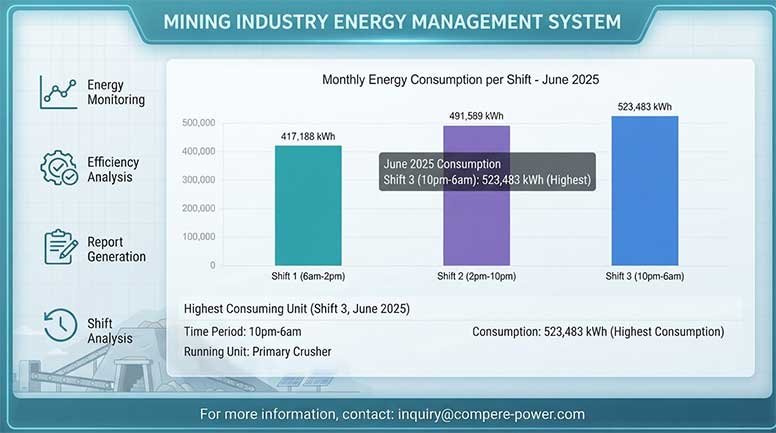
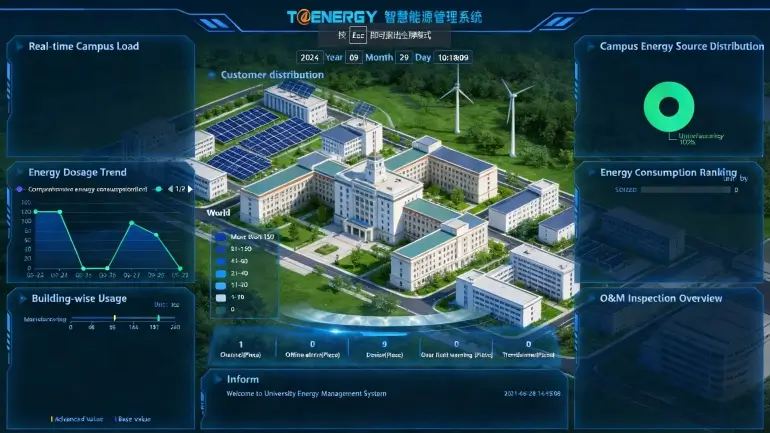
Global Visualization: Integrates data on electricity, water, gas, and heat from the factory area, office building, and production line onto a large screen (digital twin or KPI dashboard).
Multi-dimensional Analysis: Supports energy consumption comparisons by region, work group, equipment, and output value (e.g., power consumption per unit of product, energy consumption per 10,000 yuan of output value), helping managers accurately pinpoint "energy waste points."
2. Intelligent Operation and Maintenance of Power Distribution Systems
24/7 Monitoring: Monitors the voltage, current, power factor, and harmonics of transformers and switchgear to prevent electrical fires and equipment failures.
Anomaly Alarms: In case of overload, three-phase imbalance, or sudden voltage drop, the system pushes alarms to maintenance personnel's mobile phones within seconds, transforming "passive repair" into "proactive prevention."
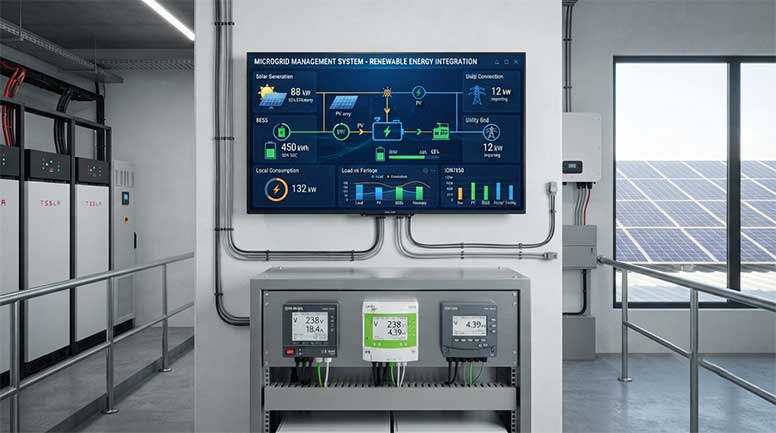
3. Integrated Microgrid Control of Generation, Grid, Load, and Storage
As businesses install rooftop photovoltaic and energy storage systems, modern EMS is upgraded to a microgrid controller:
Photovoltaic-Storage-Charging Synergy: Real-time monitoring of photovoltaic power generation prioritizes power supply to the plant area, with surplus electricity stored in energy storage or fed into the grid.
Peak-Valley Time-of-Use Pricing Optimization: Controlling energy storage charging during off-peak hours and discharging for production during peak hours directly reduces electricity costs through arbitrage.
Demand-Side Response: When grid load is tight and a demand for response is issued, the system automatically optimizes energy storage discharge or flexibly adjusts non-core loads (such as air conditioning and lighting) to obtain government subsidies.
4. Energy Efficiency Optimization of Key Energy-Consuming Equipment
Targeted strategic control measures are implemented for the largest energy consumers in industrial and commercial sectors:
Air Compressor Systems: Traditional air compressors often operate in a "high energy consumption, low output" unloaded state. EMS, based on air consumption prediction, coordinates and controls multiple air compressor groups to achieve "on-demand air supply."
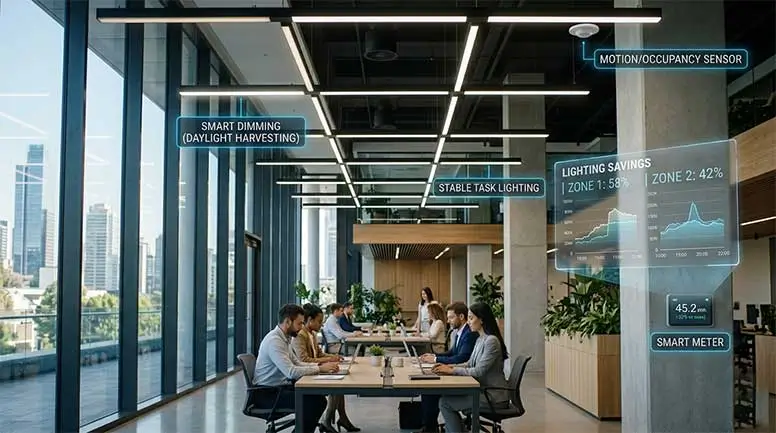
HVAC: AI automatically adjusts the operating frequency of chillers and fans based on indoor and outdoor temperatures, personnel density, and working hours.
Case 1: A Large Electronics Manufacturing Plant (High Energy Consumption, High Precision)
Pain Points: Cleanroom air conditioning and production lines operate 24 hours a day, resulting in high electricity costs; extremely high requirements for power quality (voltage drops).
EMS Solution: Deploy high-precision power quality monitoring instruments; implement AI energy-saving control for central air conditioning; construct a "photovoltaic + energy storage" microgrid.
Results: Three production stoppages due to grid flashovers were avoided. Through the combination of photovoltaic and energy storage with coordinated energy saving in air conditioning, over 1.5 million yuan in electricity costs were saved annually.
Case 2: A chain commercial complex (multi-format, high personnel flow)
Pain Points: Disorganized tenant electricity metering, mixed energy consumption across catering, retail, and common areas; uneven air conditioning, resulting in poor customer experience.
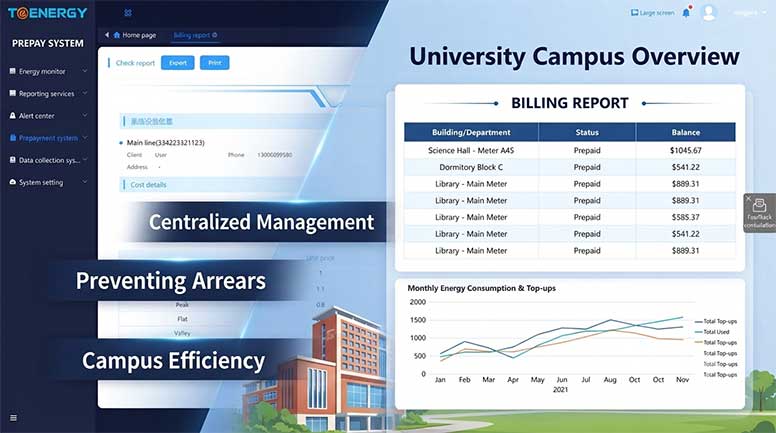
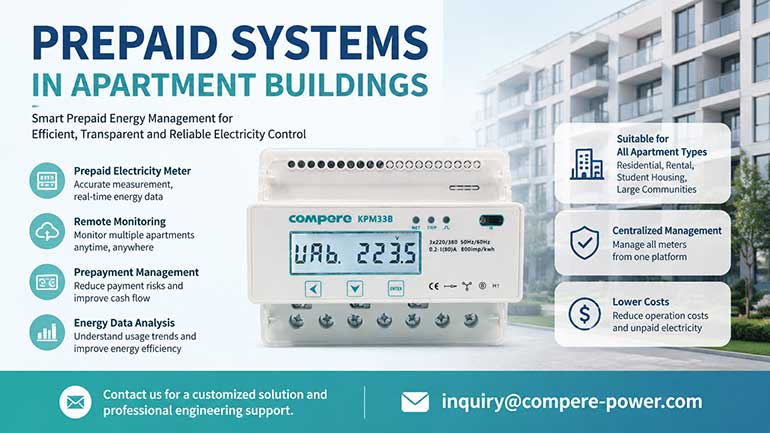
EMS Solution: Deployed smart wireless prepaid meters for online tenant payments; energy consumption units were divided by shop, common area, and parking lot; fresh air and air conditioning were dynamically adjusted based on customer flow.
Results: Achieved 100% automated property management billing for tenants; common area energy consumption decreased by 14%, and the overall comfort of the mall was significantly improved.
With the development of the Industrial Internet and Artificial Intelligence (AI), energy management systems are undergoing a transformation from "data monitoring" to "equipment management" and then to "autonomous decision-making (intelligentization)." In the future, EMS (Energy Management System) based on large language models and predictive algorithms will be able to automatically connect to the next-day electricity market trading price and autonomously generate the most profitable and environmentally friendly energy consumption strategies for the plant area.
For industrial and commercial enterprises, energy management is no longer just a "cost expenditure," but a "strategic investment" for building differentiated core competitiveness in the digital age.
Have you any problem, please contact us via message