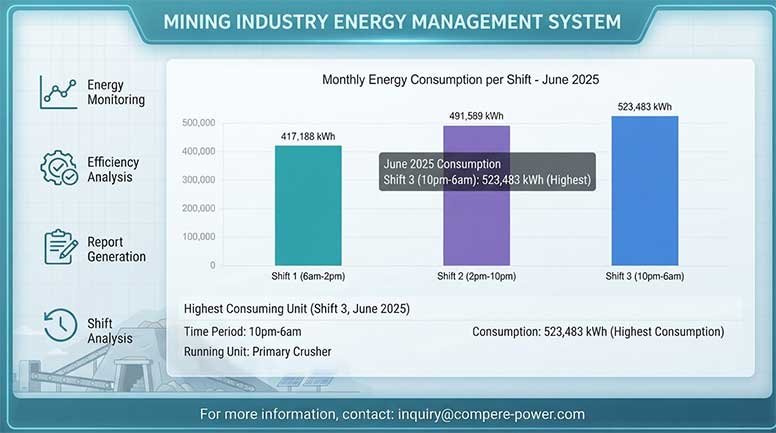
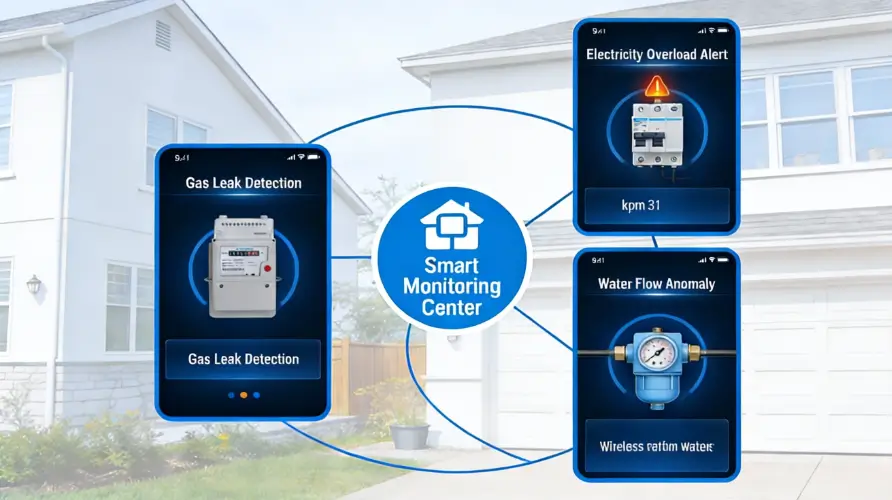
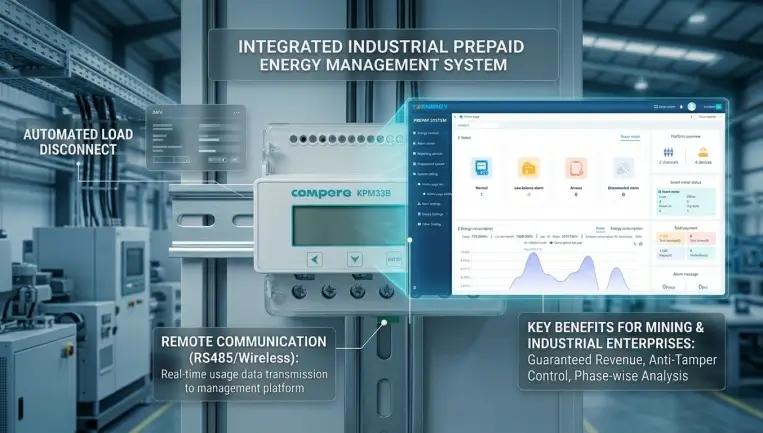
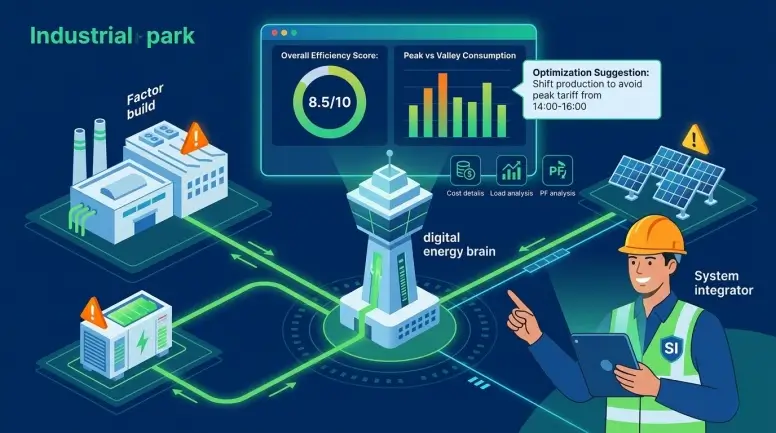
With rising energy costs and the implementation of "dual-carbon" policies, businesses across industries are increasingly focusing on the digitalization and intelligentization of energy management. Energy Management Systems (EMS) can not only help businesses reduce energy costs but also improve equipment efficiency, ensure energy security, and achieve more refined operational management.
However, the energy structures, management methods, and business scenarios of different companies vary significantly—choosing a truly suitable energy management solution has become a common challenge for many.
This article will provide a complete selection guide from five dimensions: functionality, technology, implementation, cost, and future expansion.

1. Define Your Business's Energy Management Goals and Actual Needs
Before choosing an energy management system, businesses should answer three key questions:
✔ What are our energy pain points?
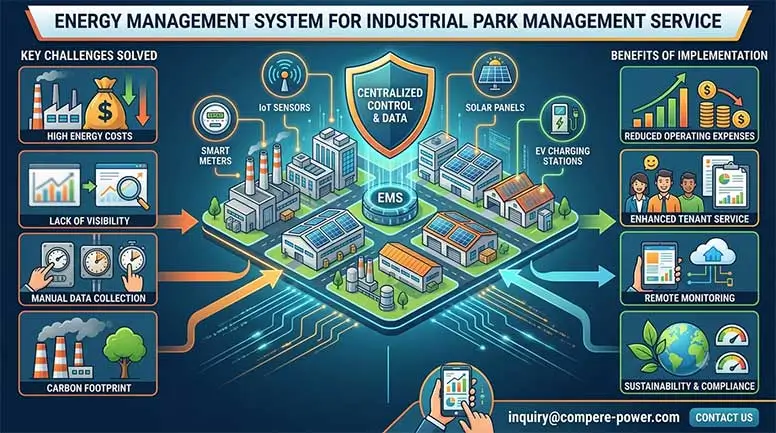
- High energy costs
- Lack of energy visualization
- Inability to promptly detect abnormal energy consumption
- Low equipment efficiency
- Disorganized accounting
- Difficulty in managing multiple energy types in a unified manner
✔ What are our use cases?
- Factories/Manufacturing Industries
- Industrial Parks/Buildings/Commercial Complexes
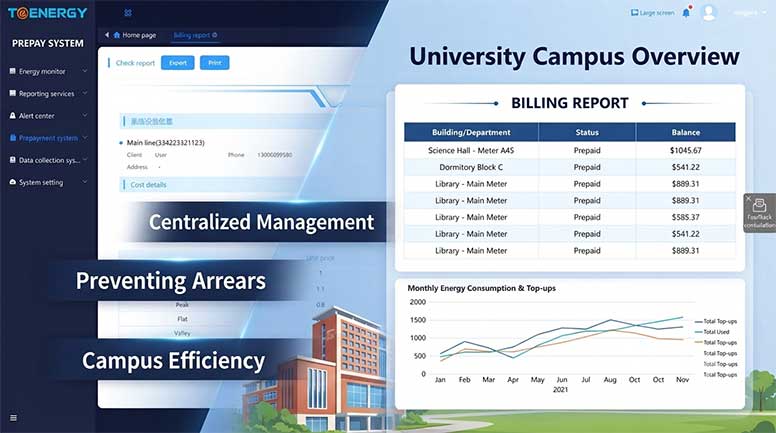
- Hospitals, Schools, Property Management
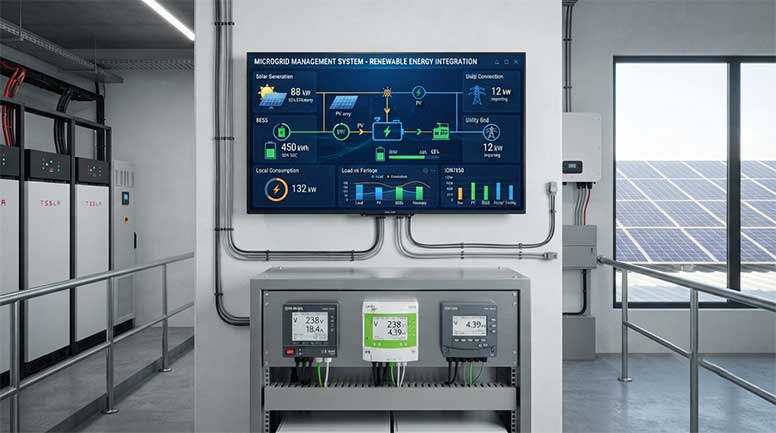
- New Energy Sites (Photovoltaics, Energy Storage, Charging Piles)
✔ What are our goals?
- Reduce energy costs
- Improve asset utilization
- Achieve automated control
- Enhance energy safety
- Implement carbon emission management
- Clear requirements can help you significantly reduce the selection range and avoid choosing overly complex or insufficiently functional systems.
2. Core Functions: What must an excellent EMS (Energy Management System) possess?
When choosing an energy management system, consider the following core functions:
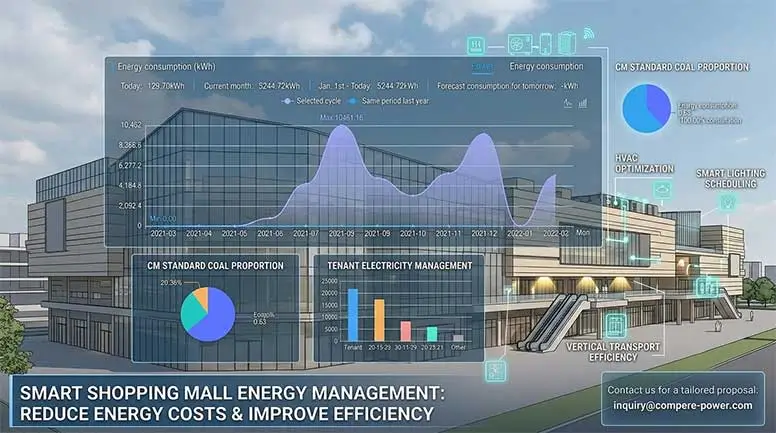
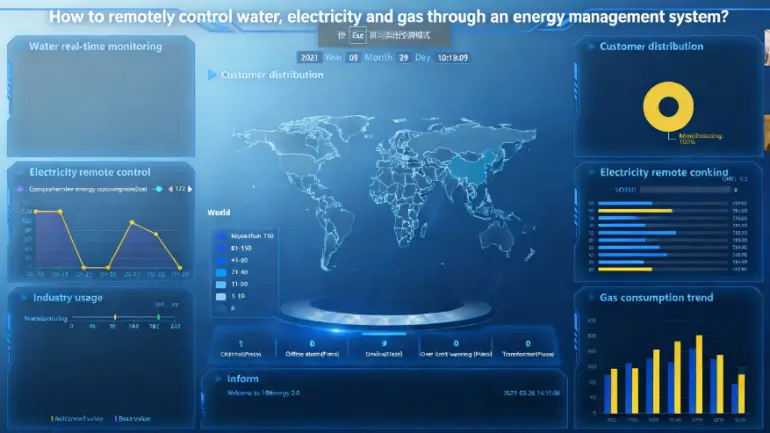
① Energy Visualization and Real-time Monitoring
- Real-time collection of multi-energy data including electricity, water, gas, and heating
- Equipment-level/region-level energy consumption statistics
- Customizable large-screen display
② Energy Consumption Analysis and Energy-Saving Diagnosis
- Historical energy consumption trend analysis
- Year-on-year/month-on-month comparison
- Energy efficiency benchmark analysis
- Abnormal energy consumption early warning
③ Automation Control Capabilities (Optional)
- Automatic scheduling of air conditioning, lighting, production lines, etc.
- Load forecasting and peak-valley optimization
- Remote equipment control
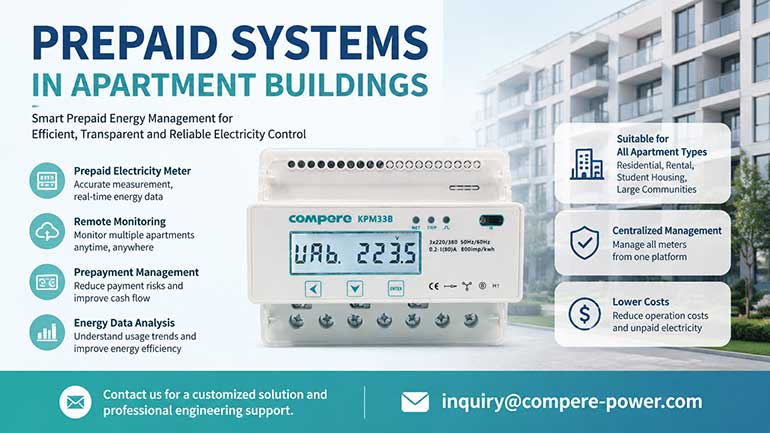
④ Billing and Prepaid Functions (Suitable for properties and parks)
- Sub-metering
- Prepaid top-up
- Automatic billing and deduction
- Overdue payment reminders/power outage management
⑤ Data Reporting and Multi-role Management
Automatic generation of daily/monthly/yearly reports
Multi-role access control (management, operations and maintenance, finance)
TIP: Different industries have different functional focuses.For example:
Factories prioritize energy efficiency analysis and equipment monitoring
Properties and parks prioritize billing and prepaid services
Energy stations prioritize control and forecasting
3. Technical Evaluation: Key indicators such as architecture, security, and scalability
① Is the system architecture advanced?
- Recommended priority:
- Cloud architecture / Edge + Cloud architecture
- Supports multi-protocol access (Modbus, BACnet, DL/T645, etc.)
- Horizontally scalable microservice architecture
② Is it compatible with existing equipment?
- Can older equipment be connected?
- Is additional hardware required?
- Does it support cross-brand data collectors/meters?
③ Information security capabilities
- Energy data is a critical asset and must be secure:
- Data encryption
- Security audit
- Distributed backup
- Access control
④ System user experience
- Is the interface clear and easy to use?
- Are the data charts sufficiently intuitive?
- Is it usable on mobile devices?
4. Implementation and maintenance services are indispensable
The success of an energy management system depends 30% on the product and 70% on implementation. When selecting a supplier, focus on:
- ✔ Do they have industry implementation experience?
- ✔ Do they provide on-site survey services?
- ✔ Are they responsible for connecting meters and data collection equipment?
- ✔ Do they offer both on-premises and cloud deployment options?
- ✔ Is 24/7 technical support available?
Excellent service capabilities can reduce risks during the deployment process, accelerate the process, and allow the system to truly realize its value.
5. Cost and ROI Assessment: Don't Just Look at the Price
- A common misconception when choosing an energy solution is "looking only at the price." A more reasonable approach is to consider the Total Cost of Ownership (TCO):
- System software costs
- Equipment and meter costs
- Implementation costs
- Operations and maintenance and upgrade service costs
- Secondary development costs
More importantly, assess the ROI (Return on Investment):
- Savings from energy conservation and emission reduction
- Improved equipment utilization
- Reduced manual inspection costs
- Preventing energy loss and leaks
- Improved cash flow (in prepaid scenarios)
- A good EMS can typically recoup its costs within 6–18 months.
Conclusion: Choosing the right direction is more important than choosing the right product when selecting an EMS
Choosing a suitable energy management system for your enterprise is a long-term investment. As long as you clearly define your needs, evaluate functions, focus on the technical architecture, emphasize implementation services, and conduct a reasonable ROI analysis, you can select a truly suitable energy management solution for your enterprise.