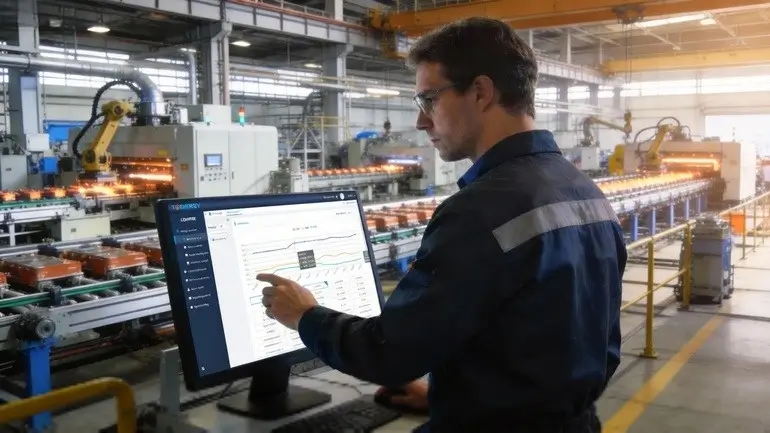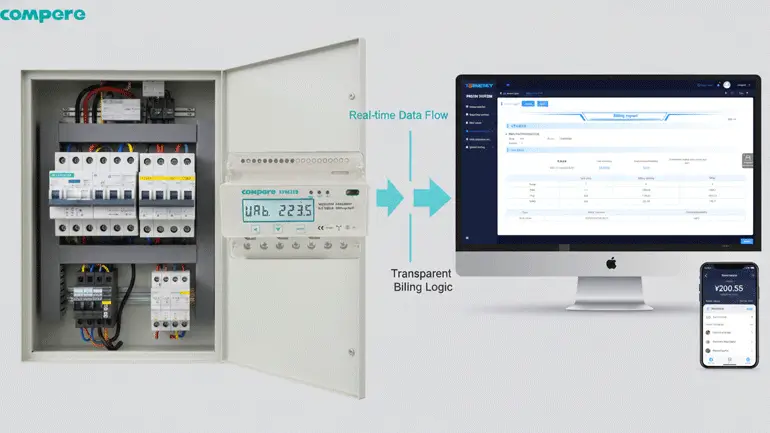


With the global energy transition and the advancement of the "dual carbon goals," traditional centralized power grids are increasingly facing challenges such as insufficient flexibility and low dispatch efficiency when faced with a high proportion of distributed energy resources. As a key component of the new power system, microgrids enable the complementary and optimized utilization of multiple energy sources, and microgrid management systems are the "core brains" of their efficient operation. This article will provide a detailed introduction to the functional advantages of microgrid management systems and analyze them with practical examples from industrial parks.
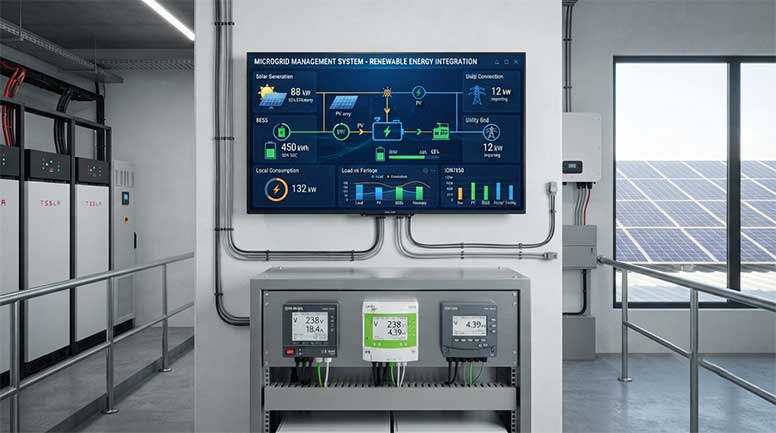
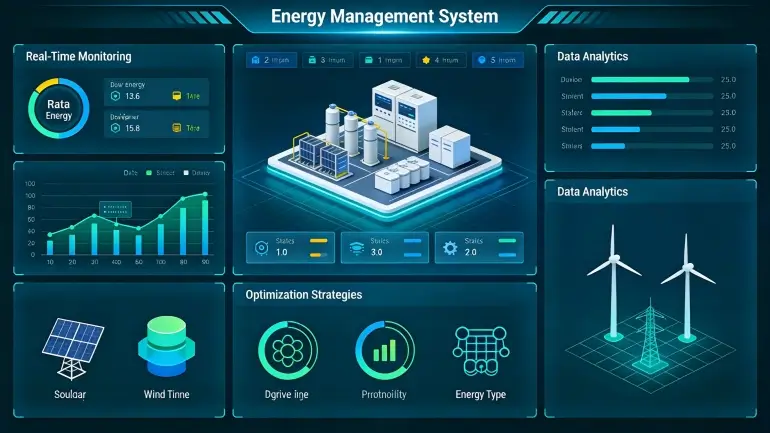
Real-time Monitoring and Data Acquisition
The system uses sensors, smart meters, and other devices to collect key data such as voltage, current, power, and frequency in real time, enabling operations and maintenance personnel to monitor system operating status at all times.
Intelligent Dispatch and Optimization Control
Based on big data and artificial intelligence algorithms, the system intelligently schedules the operation of distributed power sources and energy storage devices, combining electricity price information, weather forecasts, and power load conditions to minimize operating costs.Energy Balance and Energy Storage Management
In the event of equipment failure, voltage fluctuation, or external grid outage, the management system can switch to backup power within seconds to ensure continuous operation of critical loads.
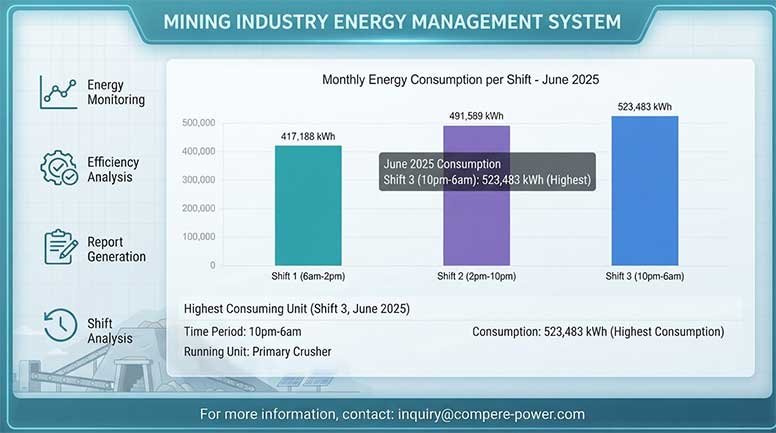
Energy Efficiency Analysis and Decision Support
The system provides a data visualization platform to help enterprises comprehensively analyze their energy consumption structure and develop energy-saving and consumption-reduction plans, achieving both economic and environmental benefits.Increasing Renewable Energy Utilization: Through intelligent scheduling, clean energy is maximized and curtailed.
Reducing Energy Costs: Leveraging energy storage and peak-offset electricity price differentials optimizes electricity bills.
Enhancing Energy Security: Multiple power supply redundancy ensures the safe operation of critical loads.
Promoting Low-Carbon Development: Reducing carbon emissions and complying with green environmental protection policies.
Supporting Energy Market Transactions: The system has the ability to interact with the electricity market, enabling peer-to-peer energy trading in the future.

Background
This industrial park houses over 50 manufacturing companies with high electricity demand and excessive peak loads. The industrial park also built a 10MW distributed photovoltaic system and a 5MWh energy storage system, but due to the lack of a unified dispatching platform, energy utilization efficiency was suboptimal.
Solution
The industrial park introduced a microgrid management system, integrating photovoltaic power, energy storage, and loads for intelligent scheduling. Based on historical power consumption patterns and weather forecasts, the system predicts the next day's load and dynamically adjusts the energy storage's charging and discharging strategies. It also provides energy efficiency analysis reports to help the industrial park formulate a reasonable energy usage plan.
Implementation Results
Peak power demand was reduced by 30%, effectively alleviating the park's power shortage.
The photovoltaic utilization rate increased from 70% to 92%, significantly reducing clean energy waste.
Annual electricity bills were reduced by approximately 15%, saving millions of yuan.
CO2 emissions were reduced by approximately 5,000 tons annually, earning the park government's Green Park certification.
Summary and Analysis
This case study demonstrates that this system can significantly improve energy management in industrial parks, achieving both economic and environmental benefits, and providing a replicable model for other industrial parks.
Microgrid management systems are not only a crucial tool for digital energy transformation but also a key platform for enterprises to achieve energy conservation, consumption reduction, and green development. In the future, with the application of new technologies such as artificial intelligence, blockchain, and cloud computing, it will become even smarter and more efficient, helping industrial parks and various energy-using scenarios build cleaner, safer, and lower-carbon energy systems.
Have you any problem, please contact us via message