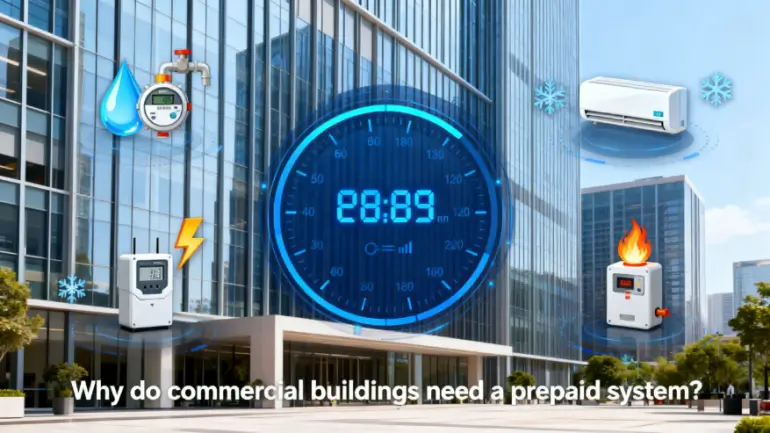

When discussing "prepaid systems," supermarket operators often immediately think of membership cards and gift cards. However, when this concept is applied to electricity management, a question arises: can prepaid systems effectively manage electricity in supermarkets?
The answer is: not only can they, but they represent a new way of thinking about electricity management that is more precise, proactive, and financially transparent. This article will delve into how prepaid electricity systems can bring about a silent revolution in supermarket energy consumption control and cost management.
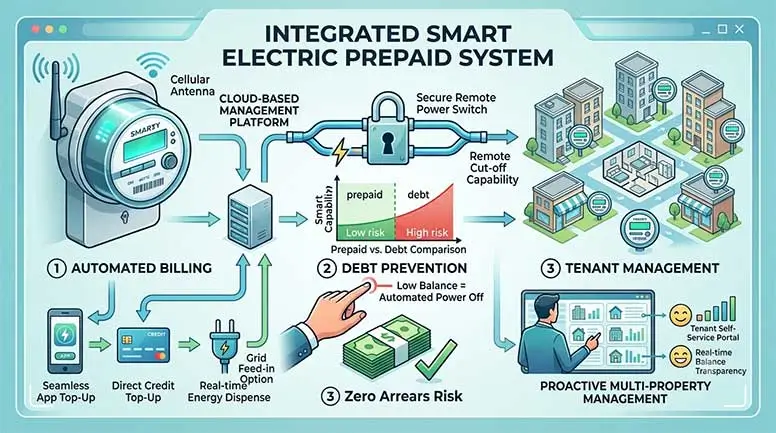
A prepaid electricity system, simply put, is "buy electricity first, use electricity later." Supermarkets need to pre-load electricity into a specific account, similar to topping up a mobile phone account. The system deducts the electricity fee in real time, issuing a warning when the balance is insufficient; when the balance is zero, it will automatically cut off the power supply (or disconnect power to non-critical lines).
This is completely different from our traditional "use electricity first, then get meter readings, then pay" model. For supermarkets, major energy consumers, this shift brings fundamental management advantages.
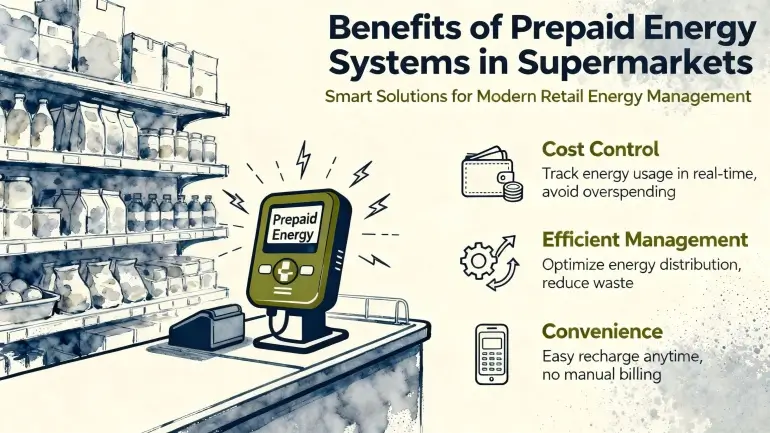
Precise Cost Control: Supermarkets can convert electricity expenditures into a prepaid model, just like purchasing goods. A prepaid electricity bill of 50,000 yuan this month means that electricity costs are strictly locked within 50,000 yuan, completely avoiding "skyrocketing" electricity bills due to seasonal fluctuations (such as summer air conditioning) or operational oversight.
Improved Cash Flow Forecasting: The prepaid model transforms electricity expenditures from "accounts payable" to "prepayments," making financial management clearer and facilitating more accurate cash flow planning and forecasting.
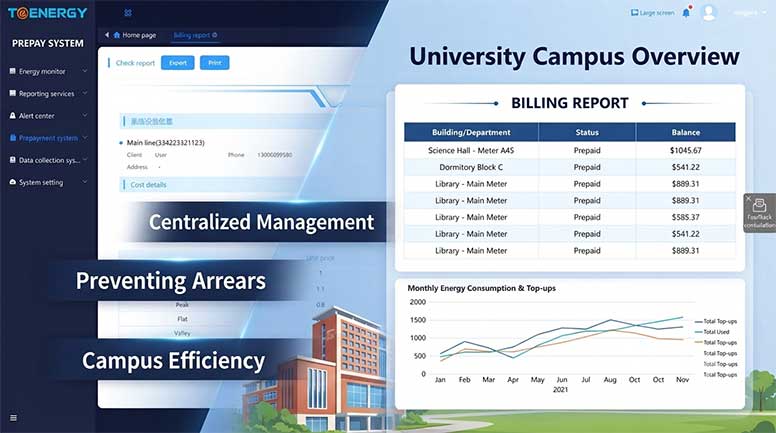
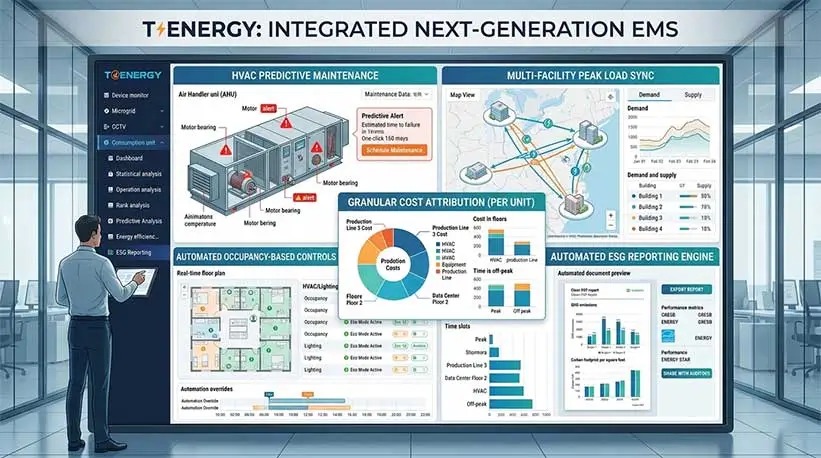
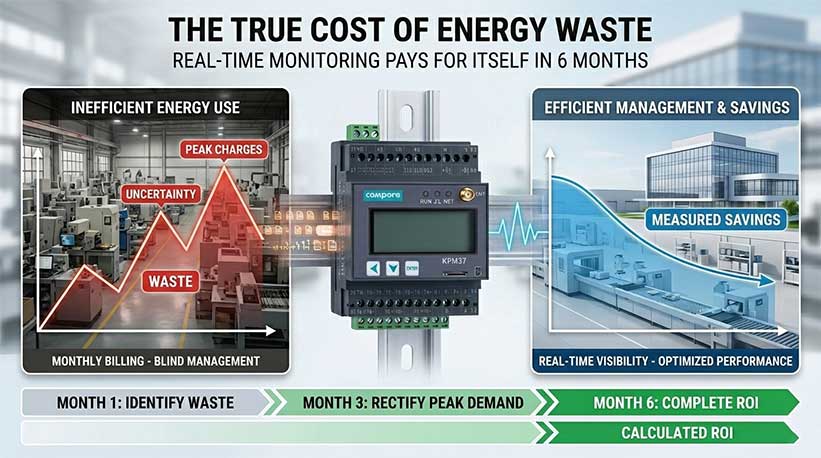
Real-Time Energy Consumption Visualization: Prepaid system platforms are typically equipped with detailed electricity consumption data monitoring functions. Managers can view electricity consumption in different time periods and areas in real time, accurately identifying peak energy consumption and abnormal situations.
Promoting Departmental Energy Conservation Awareness: When electricity consumption is directly linked to the budget, and insufficient balance affects operations, it forces store managers and employees to proactively focus on energy conservation. For example, strictly turning off unnecessary lighting during off-hours and adjusting freezer temperature settings, putting energy conservation awareness into daily actions.
Prevention is better than cure: Under the traditional postpaid model, supermarkets may neglect to pay electricity bills on time, facing the risk of forced power outages by the power company, leading to spoilage of refrigerated goods and significant losses. The prepaid system, through low balance warnings, gives the management team ample buffer time to recharge, ensuring operational continuity.
For large supermarkets or stores, the prepaid system can achieve separate metering and prepaid control for different areas (such as fresh produce, office, and storage areas) or different equipment (such as central air conditioning and freezer units). This allows for precise assessment of the energy efficiency of each area, quickly identifying and resolving "energy black holes."
System Upgrade Costs: Requires the installation of smart meters and related software management systems, resulting in upfront investment.
Critical Line Protection: During system design, it is essential to ensure that power lines for critical equipment such as refrigerated display cases and data centers are equipped with delayed power outages or special protection to prevent merchandise loss when the balance reaches zero.
Management Process Adaptation: It is necessary to clearly define the person responsible for monitoring the electricity balance and making top-ups, and establish corresponding processes to integrate this into daily management.
Therefore, the prepaid system not only effectively manages supermarket electricity but also represents an upgrade in management philosophy. It transforms electricity from a passively awaiting bill "operating cost" into a proactively manageable and precisely controllable "operating element."
Through three mechanisms—financial constraints, data transparency, and proactive early warning—it empowers supermarket managers to implement energy conservation and consumption reduction measures, directly improving the company's profitability and green image. In the low-profit, highly competitive retail industry, attention and investment in this innovative management tool are likely to become a key element in building core competitiveness.
Have you any problem, please contact us via message