In the global energy transition, microgrid systems are increasingly becoming a new trend in energy management for businesses, industrial parks, and cities. With the increasing prevalence of renewable energy, growing electricity demand, and heightened energy security concerns, building efficient and intelligent microgrid systems has become a core strategy for modern energy management.
What is a Microgrid System?
A
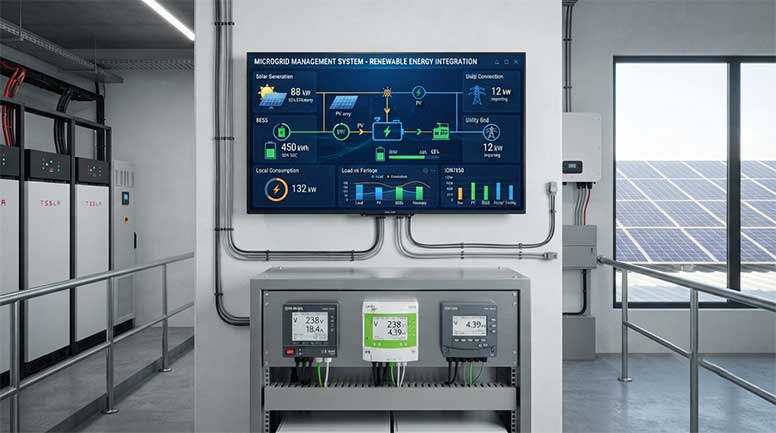
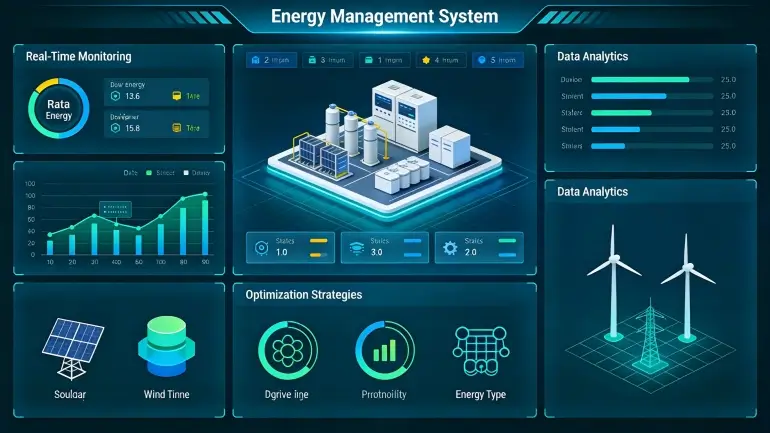
microgrid system is a localized power network that can operate independently or in conjunction with the main grid. It typically integrates various energy resources, such as:
Solar photovoltaic power generation
Wind power generation
Energy storage systems (battery storage)
Distributed generator sets
Microgrids achieve localized energy production, distribution, and consumption through intelligent control systems, thereby improving energy efficiency and reliability.

Why Introduce Microgrid Systems?
1. Improve Energy Security and Power Supply StabilityOne of the biggest risks facing traditional power grids is large-scale blackouts.
The "autonomy" of microgrids allows them to operate independently (island mode) even when the main grid fails or experiences a power outage, ensuring continuous power supply to critical facilities such as hospitals, data centers, and factories.
This is particularly important against the backdrop of frequent extreme weather events and rising geopolitical risks.
✅ Microgrids = Regional-level "backup grids," providing double insurance for energy security.
2. Promoting The Efficient Use Of Renewable EnergyWith the widespread adoption of solar and wind power, addressing their intermittency and volatility has become a key challenge.
Microgrid systems can balance power generation and consumption fluctuations through energy storage devices and intelligent dispatching technology, maximizing the absorption of renewable energy.
For example: Excess solar power generation during the day → stored in energy storage batteries
Peak demand at night → powered by the energy storage system
✅ Microgrids transform renewable energy from being "dependent on the weather" to being "self-reliant and controllable."
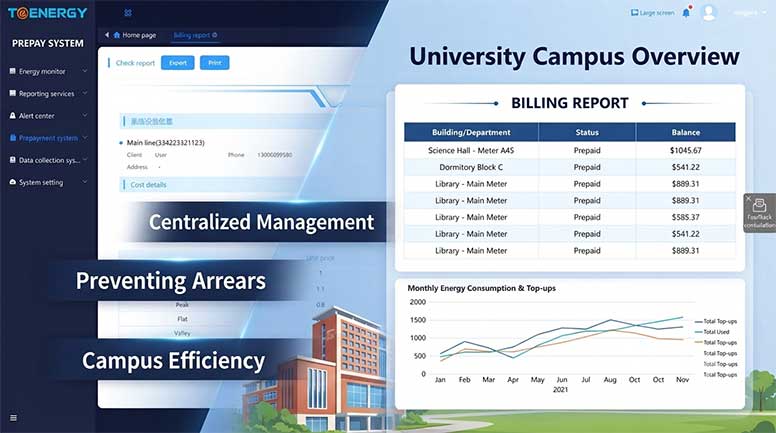
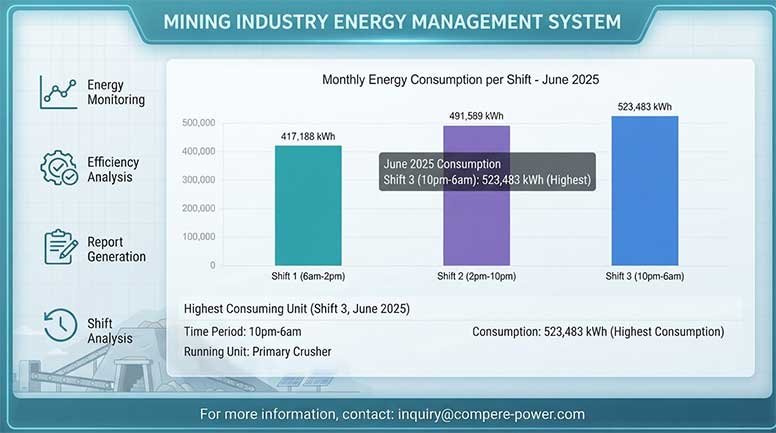
3. Reducing Energy Costs And Improving Economic EfficiencyMicrogrid systems can dynamically dispatch and optimize energy based on electricity prices, load, and power generation status.
Businesses or industrial parks can:
Use peak-valley electricity pricing strategies
Consume electricity themselves
Sell surplus electricity to the main grid
This significantly reduces energy costs and creates new revenue streams in the energy market.