
Electricity accessibility and energy efficiency are central to infrastructure development in Africa. However, traditional postpaid models have long plagued electricity suppliers with problems such as "difficulty in collecting payments, difficulty in debt collection, and high electricity losses." The combination of prepaid meters and systems is sparking a revolution in energy digitalization in the African market with its unique business model and technological advantages.
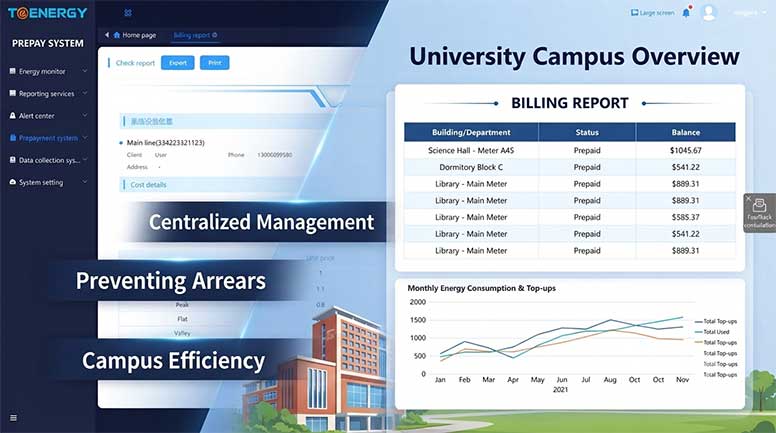
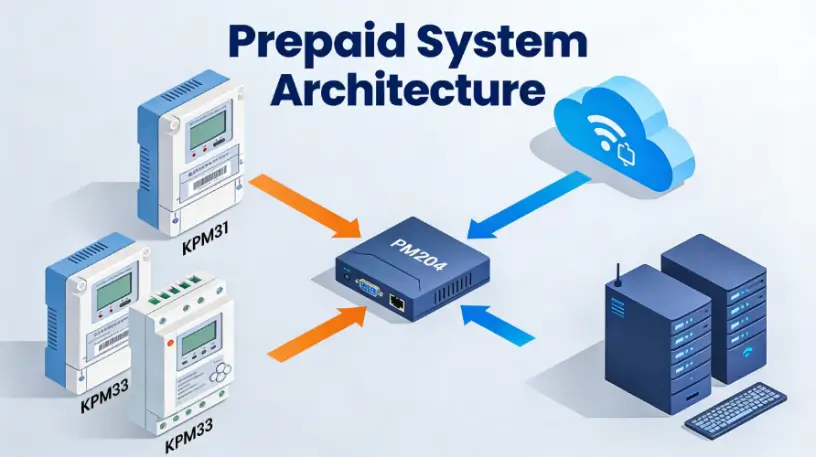
A prepaid system is a closed-loop platform integrating hardware, communication, and cloud management. Its core process is as follows:
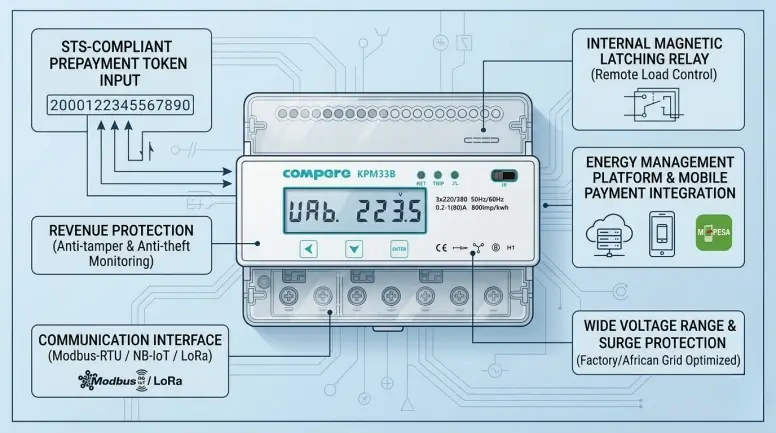
Prepay first, use later: Users purchase electricity through mobile payments (such as M-Pesa), online platforms, or offline outlets, obtaining a set of encrypted tokens.
Remote power control: The system uses wireless communication technologies such as 4G, NB-IoT, or LoRaWAN to achieve real-time monitoring of terminal meters. Once the balance is depleted, the meter's built-in magnetic latching relay automatically cuts off power until the user recharges.
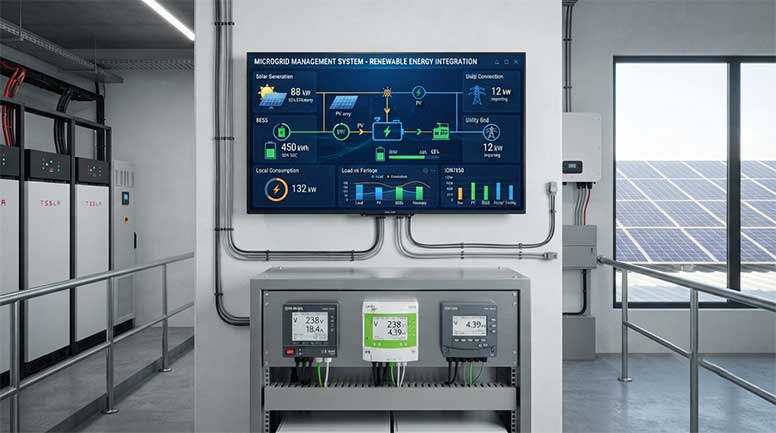
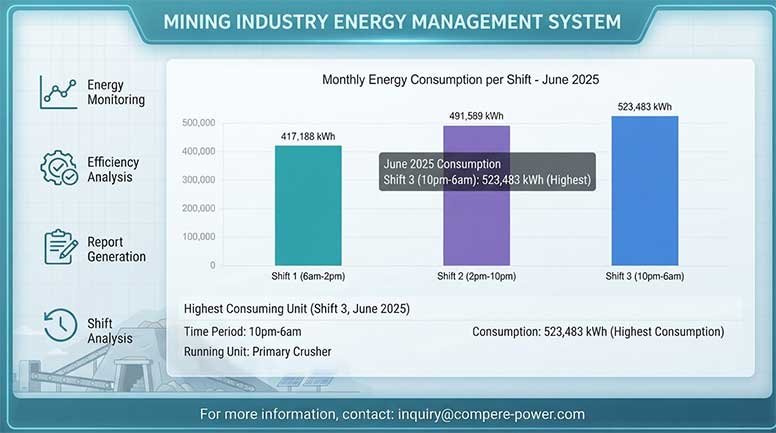
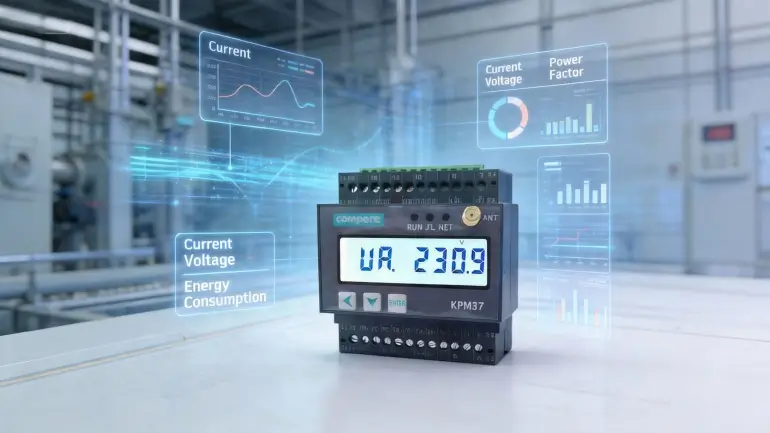
Multi-dimensional monitoring: In addition to billing, the system can also collect voltage and current data from factories or communities in real time, helping management analyze electricity losses and prevent electricity theft.
Our prepaid meters and supporting systems have been widely adopted in many African countries (such as Nigeria, Kenya, and South Africa) because they address the pain points of the local market:
Perfectly compatible with the mobile payment ecosystem: Africa is one of the most active regions for mobile payments globally. Our prepaid system seamlessly integrates with mainstream local mobile wallets. Users can top up their accounts on their mobile phones without having to visit a physical store, greatly increasing their willingness to pay.
Solving credit and billing risks: In traditional models, electricity bill collection cycles are long and manual meter reading can lead to significant errors. The prepaid model eliminates the risk of overdue payments, enabling immediate cash flow and allowing power suppliers to invest more in grid maintenance and equipment upgrades.
High environmental adaptability: Considering the large voltage fluctuations and frequent lightning strikes in some parts of Africa, our products feature a wide voltage range design and high-level surge protection, ensuring stable operation even in extreme environments.
Electricity Theft Prevention and Power Safety: Electricity loss rates are extremely high in some industrial areas of Africa. Our meters are equipped with multiple anti-theft functions, including cover opening detection and reverse current monitoring. Once an anomaly is detected, the system will immediately issue a remote alarm and cut off power to protect assets.
The value of prepaid systems is particularly prominent in scenarios such as factory renovations, commercial complexes, and employee dormitories:
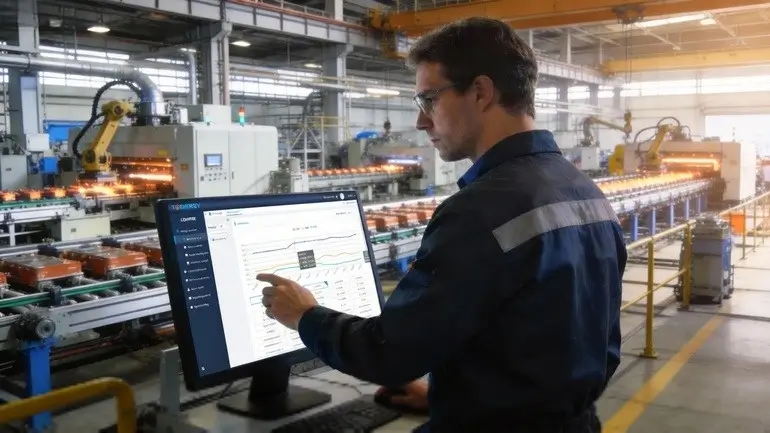
Industrial Park Tenant Management: Park managers no longer need to collect electricity fees from each tenant; the system automatically bills and disconnects power, greatly saving manpower.
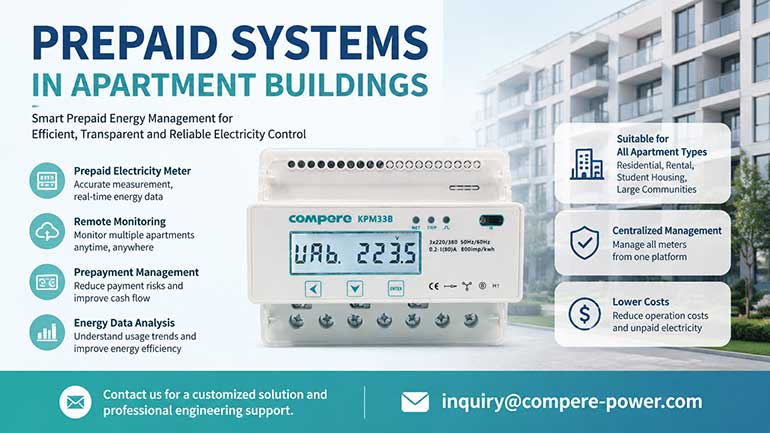
Highly Integrated Hardware: Prepaid meters support DIN rail installation, significantly saving distribution box space. Their RS485 interface ensures stable data transmission even in complex factory environments.
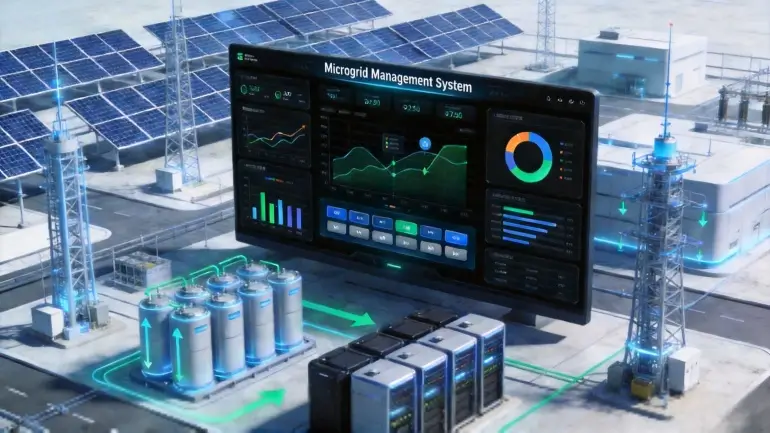
With the acceleration of "smart city" development and industrialization in Africa, prepaid systems are evolving towards greater intelligence. The future system will not only be a payment tool, but will also integrate advanced functions such as power quality analysis and load forecasting, providing solid data support for Africa's energy transition.
Have you any problem, please contact us via message