
For property owners and facility managers of office buildings, industrial parks, and other commercial real estate, energy costs have become the second largest operating expense after human resources. The previously rudimentary "electricity cost-sharing by area" model is facing a double whammy: firstly, tenants' stringent requirements for low-carbon office practices and transparent billing; and secondly, regulatory constraints on Energy Efficiency Index (EUI) and carbon compliance.
Building an efficient Smart Building Energy Management System is not just about buying a visual dashboard, but about breaking down the building's energy consumption from a black box into auditable, billable, and predictable granular assets through an underlying sub-metering network.
In 2026, global carbon emission regulations for commercial real estate have shifted from "encouragement" to "mandatory penalties." Traditional property energy management models are costly for asset owners:
Pain Point 1: "One-size-fits-all" electricity billing leads to tenant disputes.
Is the practice of allocating central air conditioning and public electricity costs based on building area still being considered? Traditional 9-to-5 financial companies are unwilling to pay for the high-energy-consuming AI R&D center next door, which operates 24/7. The lack of accurate individual unit data is causing a year-on-year increase in lease termination rates.
Pain Point 2: Unquantifiable "zombie energy consumption."
Even late at night, empty floors have their ventilation systems and lighting running at full power. Due to a lack of detailed monitoring, property managers are unaware of these hidden energy wastes.
Pain Point 3: ESG compliance and green certification are bottlenecks.
The 2026 corporate supply chain audit will impose stringent requirements on carbon footprint. Without digital, traceable energy dashboards, office buildings will lose their competitiveness in attracting multinational clients.
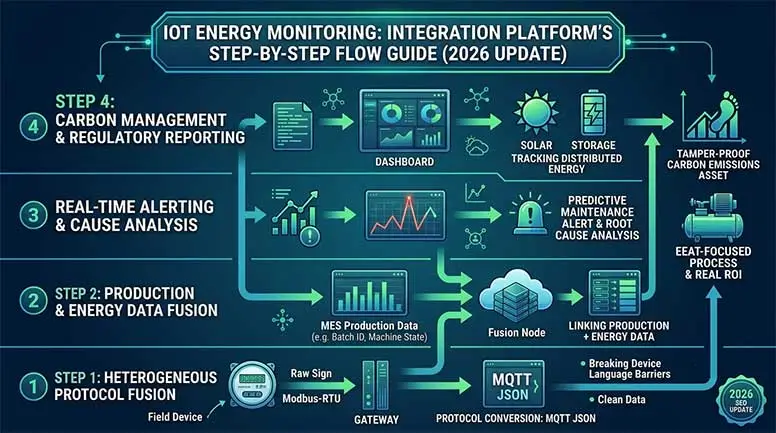
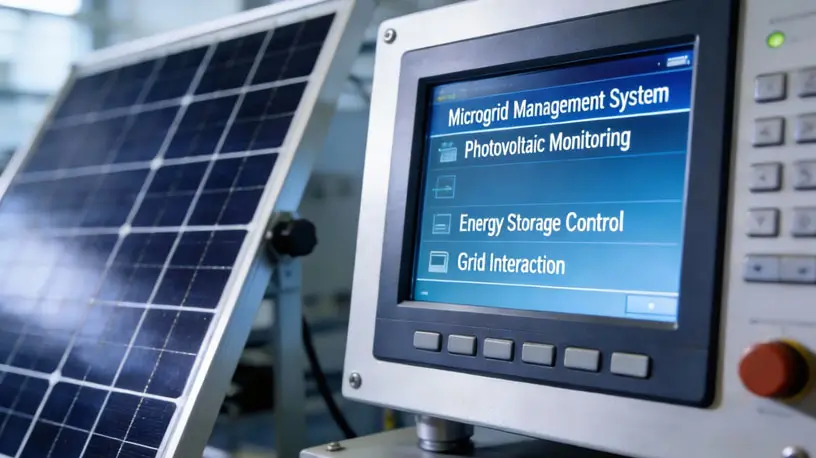
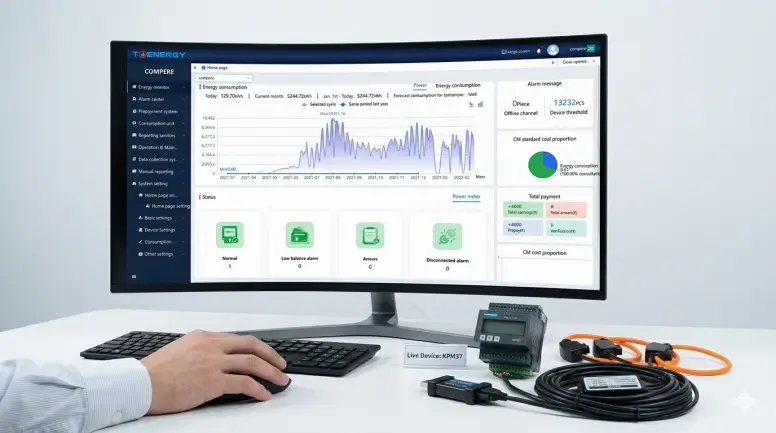
A Building Energy Management System (BEMS) is a digital platform based on the Internet of Things (IoT), big data analytics, and artificial intelligence algorithms. It collects real-time energy consumption data (electricity, water, gas, heating, cooling, and heating) through various sensors and smart meters installed within the building, and performs visualized analysis in the cloud.
Simply put, BEMS is the building's "energy brain." It not only tells you how much energy the building consumes, but also accurately predicts future energy consumption and automatically controls high-energy-consuming equipment such as HVAC and lighting to achieve proactive energy savings.
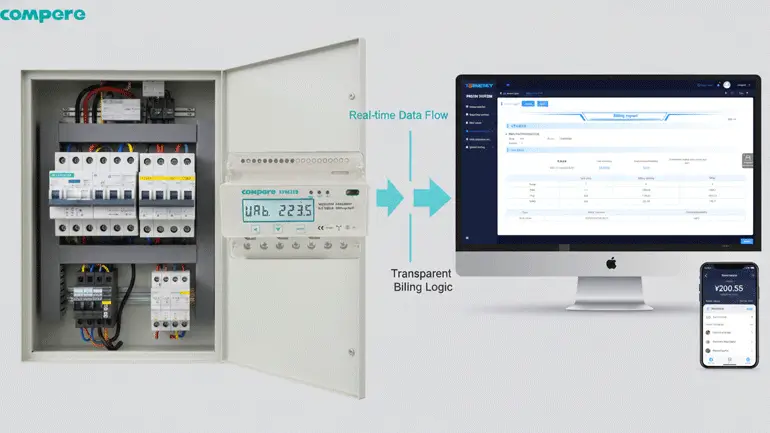
If BEMS is the brain, then Sub-Metering is its nerve endings. Traditional master meters only show the building's total energy consumption, while Sub-Metering, below the master meter, installs secondary smart meters for specific tenants, specific floors, or even specific high-energy-consuming equipment (such as chillers and data centers).
1. From "Common Cost" to "Pay-as-you-go"
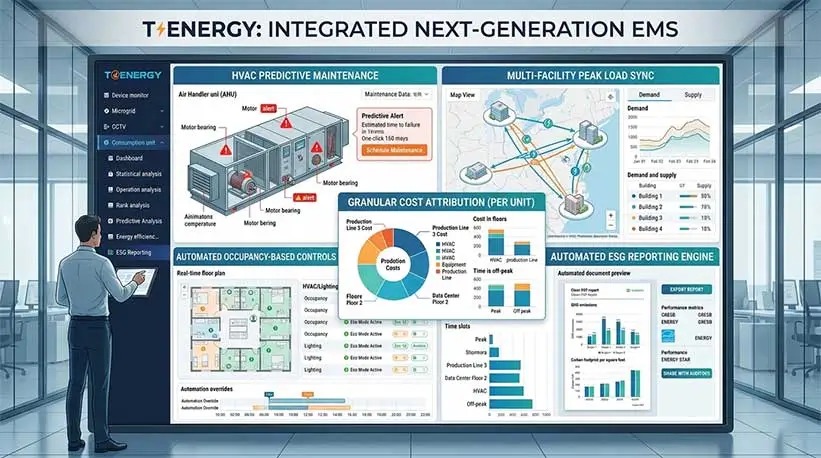
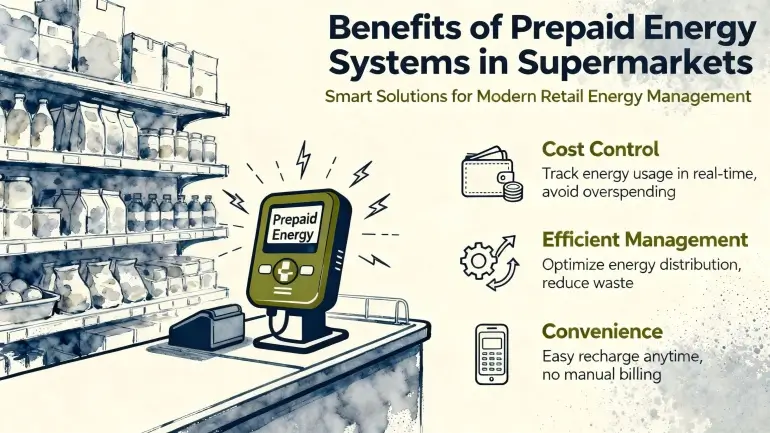
Individual metering breaks down building energy consumption into discrete data streams. The system automatically generates bills based on each tenant's actual electricity consumption and supports time-of-use pricing (peak and off-peak). This not only eliminates billing disputes but also, through a "whoever wastes, pays" mechanism, spontaneously activates tenants' energy-saving behavior, reducing their energy consumption by an average of 15%-20%.
2. Predictive Maintenance and Anomaly Warnings
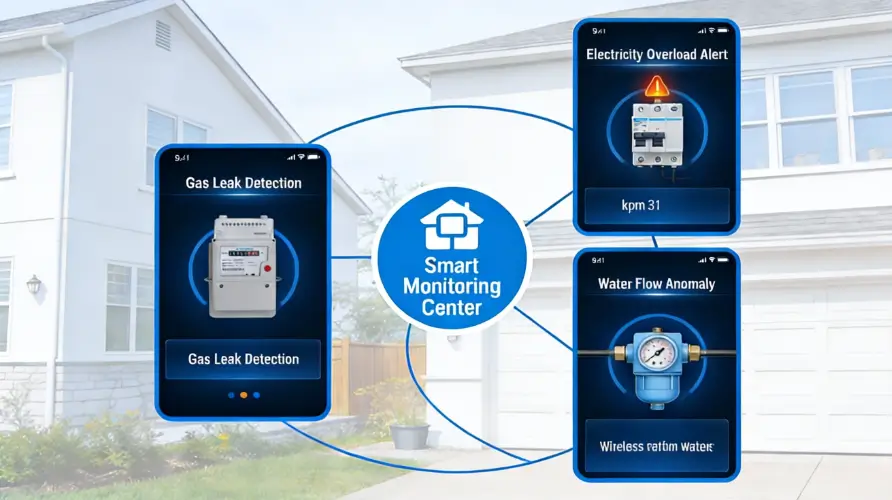
When the HVAC system on a floor experiences an abnormally high power consumption under the same cooling demand, BEMS will automatically trigger an alarm. This usually indicates filter blockage, pipe leaks, or mechanical wear. "Predictive maintenance" before equipment completely breaks down can significantly extend equipment life and reduce maintenance costs.
Q1: Can older buildings (existing properties) be retrofitted with intelligent building energy management systems?
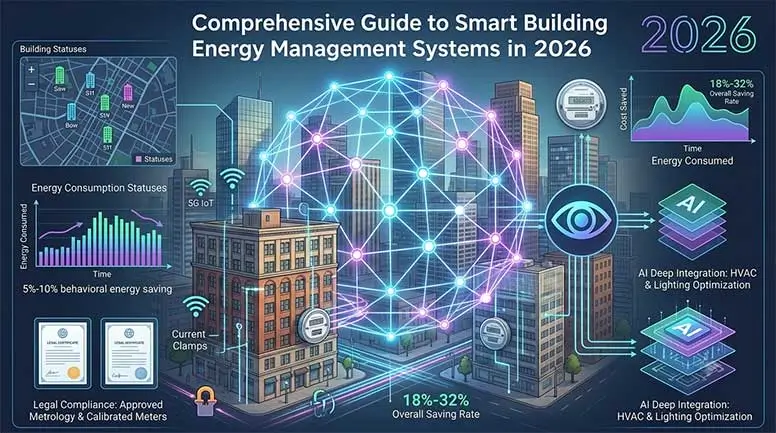
A: Absolutely. Modern BEMS hardware primarily utilizes wireless technologies (such as LoRaWAN, Wi-Fi, or 5G IoT), and smart meters are mostly clamp-on current transformers (CTs). Retrofitting requires minimal disruption to building operations, eliminating the need for large-scale power outages or wall-breaking for wiring.
Q2: How much can deploying a BEMS system save on building electricity bills?
A: Based on actual retrofitting data for commercial real estate in 2025-2026: Simply implementing individual metering and energy consumption dashboards (behavioral energy saving) can reduce energy consumption by 5%-10%; with deep integration of AI to optimize HVAC and lighting systems, the overall energy saving rate can reach 18%-32%.
Q3: Can individual metering data be directly used as a legal basis for charging tenants?
A: Yes. However, this is contingent on the secondary smart meters you install being approved by the national metrology instrument authority and regularly calibrated. Bills output by the BEMS platform must display detailed electricity consumption curves to ensure transparency, thus serving as fully compliant billing documentation.
Building Energy Management Systems (BEMS) have transformed from a "cost center" to a "value center." They not only help owners solve their biggest headaches—tenant billing and energy conservation—but are also the core asset for increasing asset valuation and attracting high-quality tenants.
Have you any problem, please contact us via message