
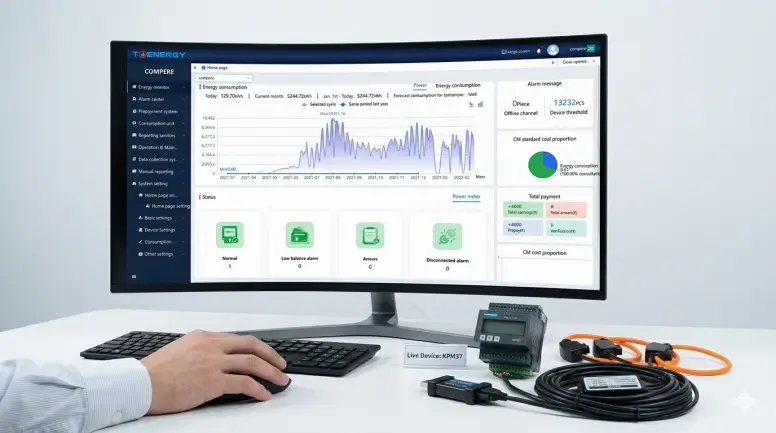
In today's era, rising energy costs and the pressure of carbon neutrality goals mean that enterprises' monitoring of electricity consumption has moved beyond simply "reading numbers." An efficient energy management system combined with advanced smart meters is becoming a core engine for enterprises to achieve digital transformation and reduce operating costs.
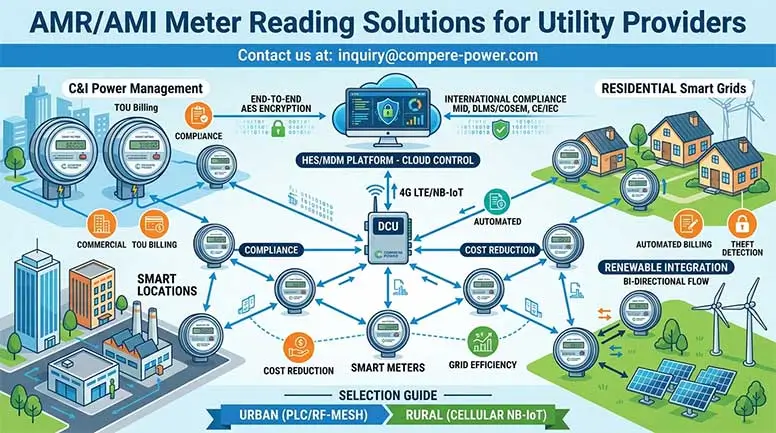
Traditional mechanical meters can no longer meet the needs of modern industry. Modern smart meters are not only metering tools but also real-time data acquisition terminals.
High-Precision Real-Time Monitoring: Capable of capturing key parameters such as voltage, current, and power factor in real time, ensuring the stability of the power grid.
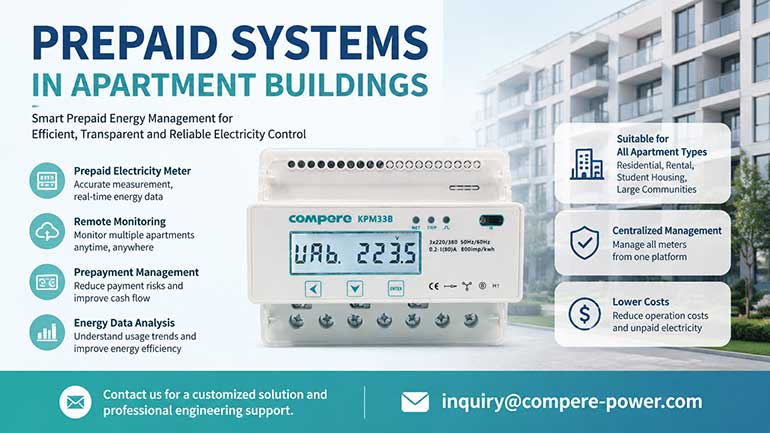
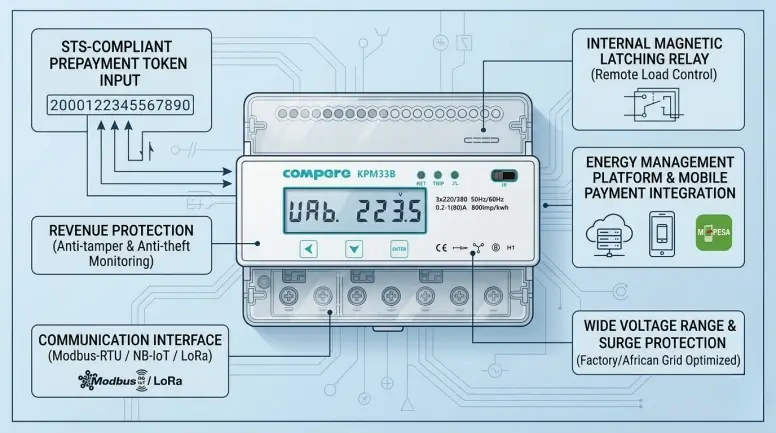
Diverse Communication Interfaces: Modern smart meters are typically equipped with an RS485 communication interface and support 4G, WiFi, LoRa, and other wireless communication. This means that data can be directly uploaded to the cloud server via a data SIM card without manual reading, greatly improving data timeliness.
DIN Rail Mounting Design: Compared to traditional panel mounting, meters mounted on standard DIN rails can be directly installed on rails within the distribution box, saving space and facilitating future maintenance.
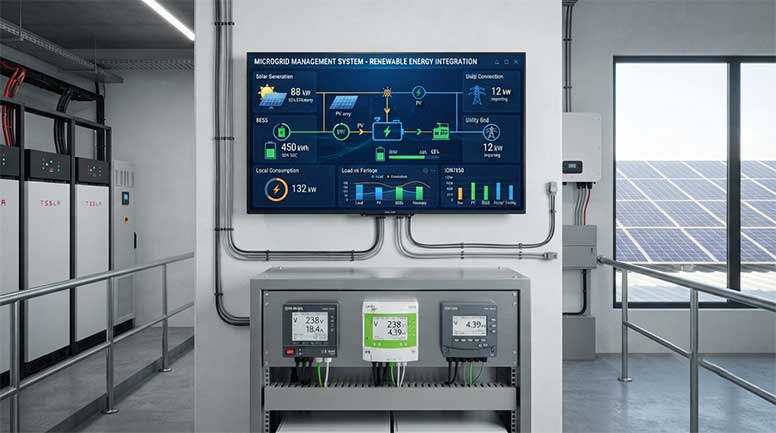
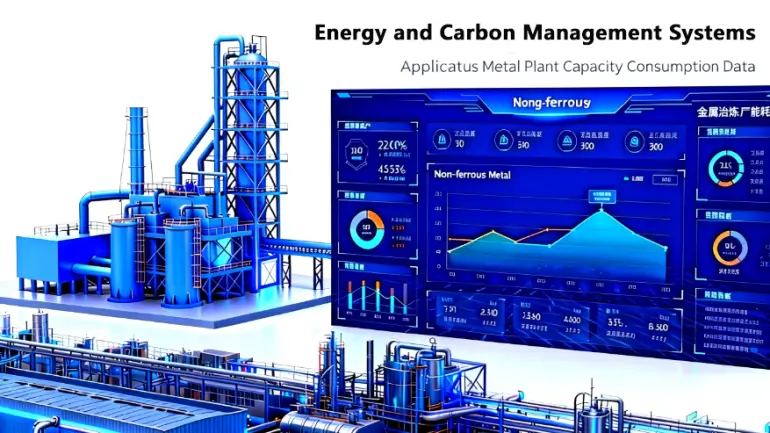
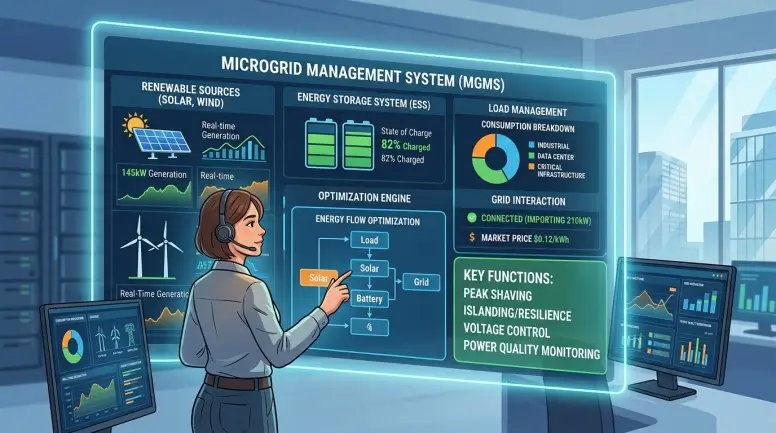
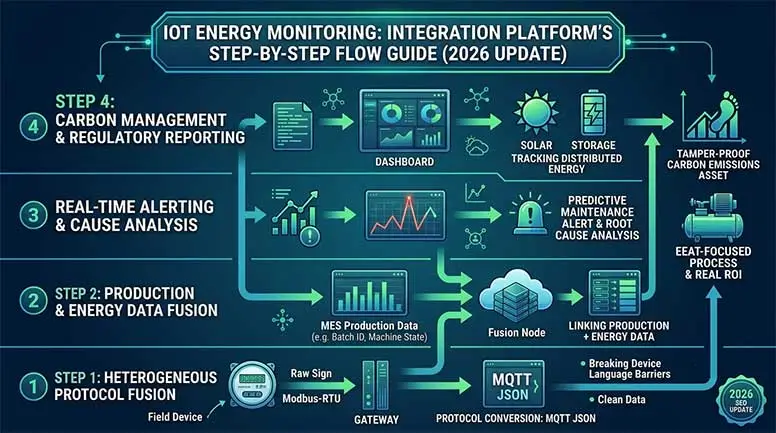
If the meter is the "eye," then the energy management system is the "brain." It integrates and analyzes data from hundreds or thousands of monitoring points.
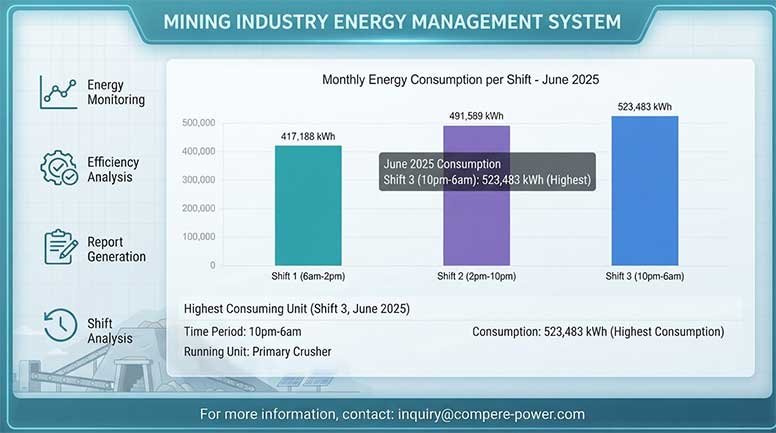
Energy Consumption Visualization and Anomaly Alarms: Through an intuitive dashboard, managers can view energy consumption trends for each production line at any time. In case of abnormal current or power overload, the system automatically sends out warnings to prevent downtime due to equipment failure.
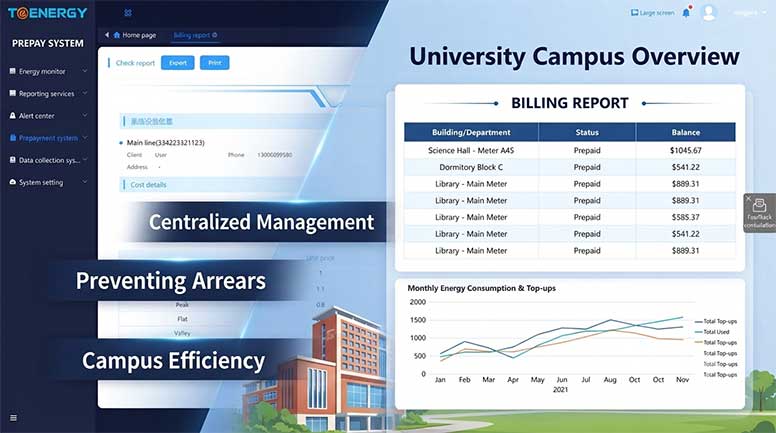
Itemized Metering and Cost Accounting: The system can perform refined itemized metering for different workshops and equipment, helping companies accurately calculate production costs and identify hidden energy waste points.
Support for Multiple Communication Protocols: The powerful system is compatible with multiple protocols (such as Modbus-RTU) and enables remote data transmission via 4G or Ethernet, breaking the limitations of physical distance.
Deep integration of smart meters with an Energy Management System can bring significant returns to businesses:
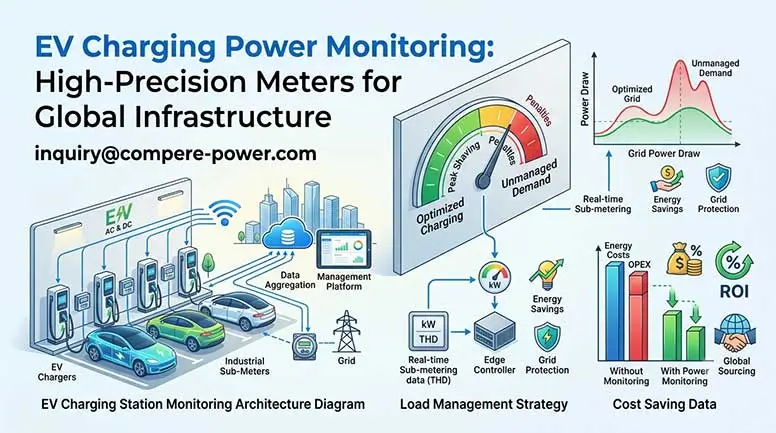
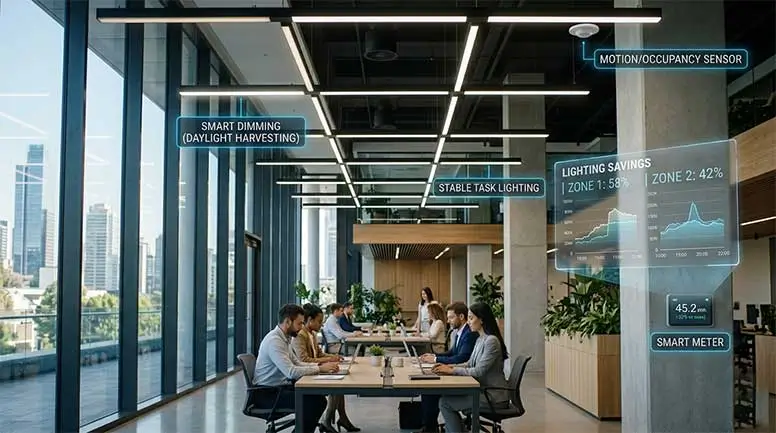
Optimized electricity usage strategies: By leveraging peak-valley electricity price differences, businesses can rationally schedule the operation of high-power equipment, directly reducing electricity costs.
Improved power quality: Monitoring harmonics and power factor allows for improved power efficiency through compensation devices, preventing fines from the power sector due to low power factor.
Supported carbon footprint tracking: Automatically generated energy reports not only serve as a basis for internal management but also provide crucial support for businesses in responding to carbon audits and applying for green factory certifications.
Energy management is no longer an expense but an investment. By deploying high-precision rail-mounted smart meters and a powerful energy management system, businesses can shift from passive maintenance to proactive management, gaining a cost advantage in a highly competitive market.
Have you any problem, please contact us via message