
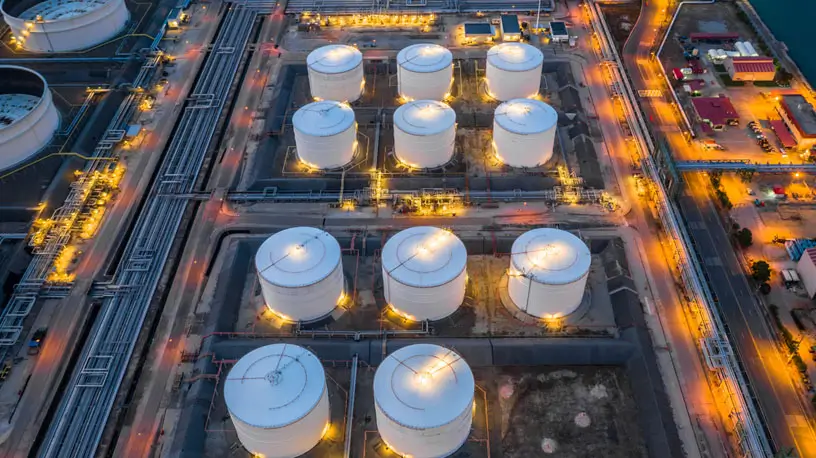
The petrochemical and chemical industries are both major energy producers and consumers. Driven by the "dual carbon" goals and the trend of energy transition, the pressure to reduce carbon emissions and pursue green development is gradually increasing. Traditional carbon emission management in petrochemical and chemical enterprises remains largely unregulated, hindering internal operations. Furthermore, annual carbon emission assessments are limited to the enterprise management level and cannot be pinpointed to specific emitting entities.
How to reduce carbon emissions through existing process optimization and the development of new technologies and equipment has become a major challenge for the refining and chemical industry.
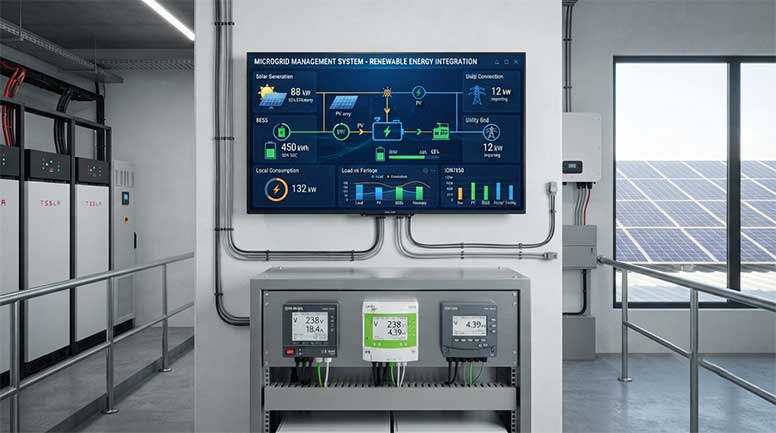
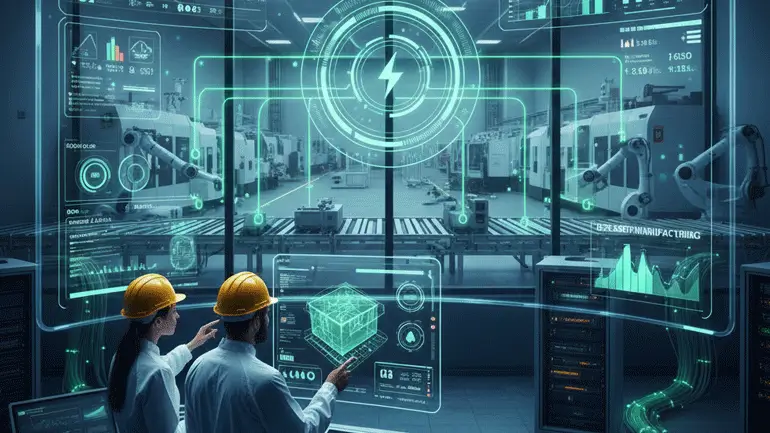
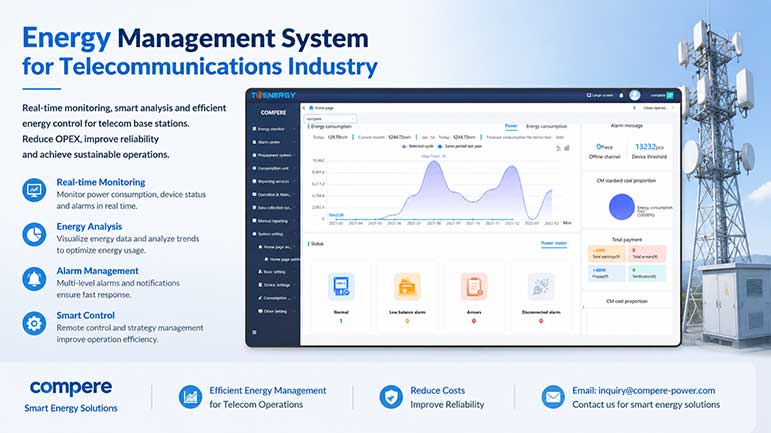
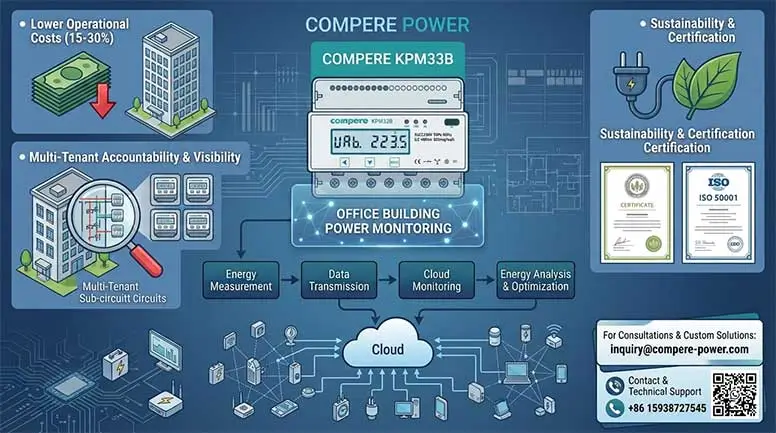
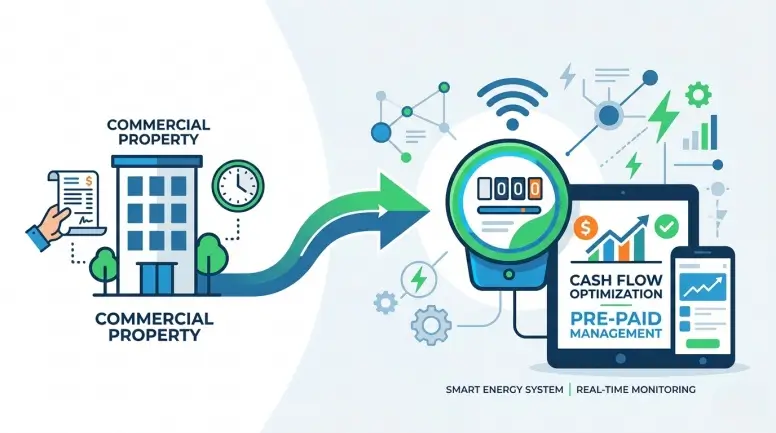
Refining and chemical enterprises can utilize digital energy management system to achieve real-time monitoring, analysis, and optimization of energy consumption and carbon emissions. Specific methods include:
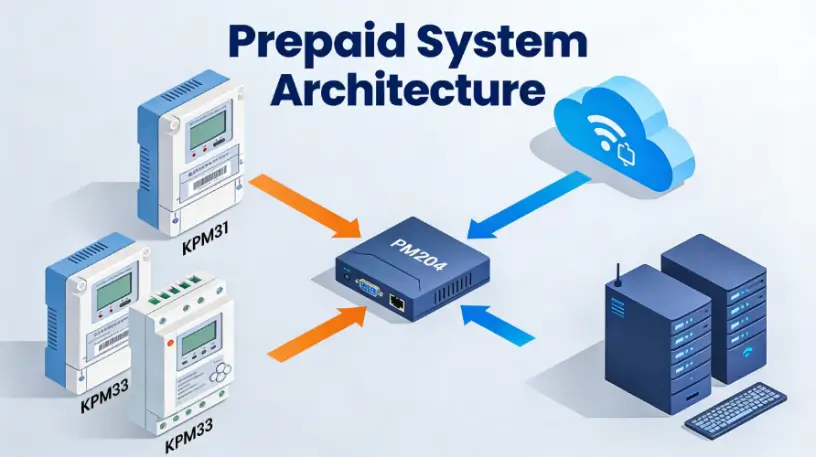
1. Real-time monitoring of energy consumption and carbon emissions: By installing intelligent sensors and monitoring equipment at key locations such as production equipment, energy systems, and emission sources, real-time data on energy consumption and carbon emissions can be collected. This data includes parameters such as current, voltage, power, flow rate, and temperature, as well as the concentration of greenhouse gases such as carbon dioxide and methane.
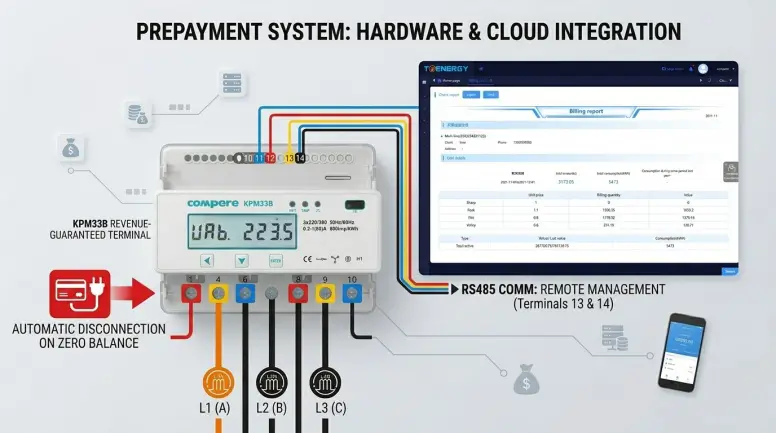
2. Data Acquisition and Transmission: Utilizing IoT technology, data collected by sensors and monitoring equipment is transmitted to the data center in real time. This ensures data accuracy and timeliness for timely analysis and processing.
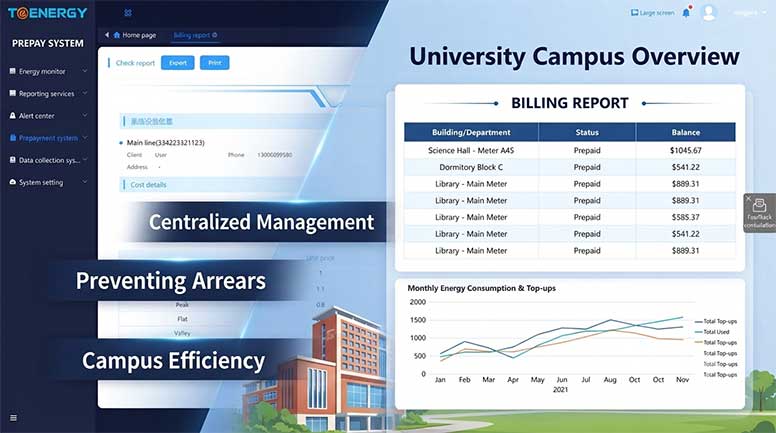
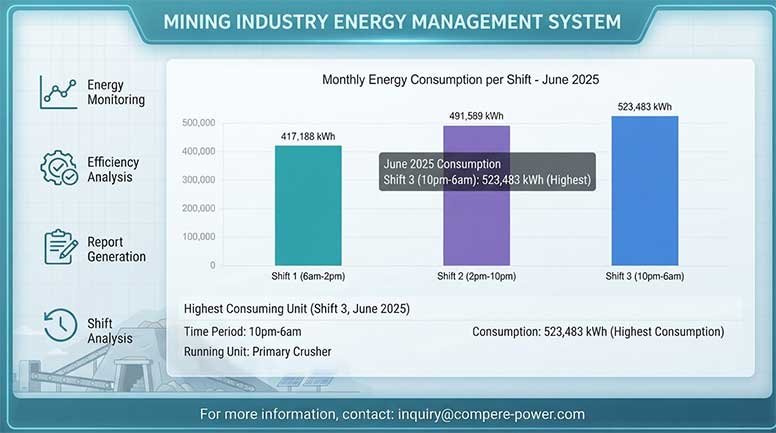
3. Data Analysis and Visualization: Utilizing big data analytics and machine learning algorithms, the collected data is analyzed and processed to extract useful information. Data visualization technology presents energy consumption and carbon emission data to enterprise managers in an intuitive way, helping them quickly understand energy usage and carbon emission trends.
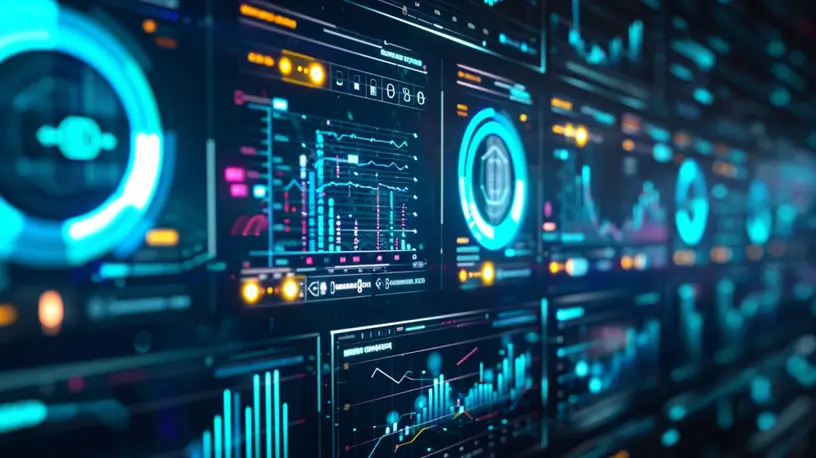
4. Energy Management System: An energy management system is established to monitor and manage energy consumption in real time. The system can automatically monitor equipment operating status, identify energy waste and abnormal consumption, and provide alarm and alert functions for timely adjustments.
5. Carbon Emission Calculation and Reporting: Combining material balance and emission factors in the production process, carbon emission calculation and reporting are performed using digital technology. This ensures the accuracy and consistency of carbon emission data, meeting the requirements of relevant regulations and standards.
6. Optimizing Energy Use: Based on real-time data analysis of energy consumption and carbon emissions, enterprises can take a series of measures to optimize energy use. For example, adjusting production plans, optimizing equipment operating parameters, and improving process flows can reduce energy consumption and carbon emission intensity.
7. Continuous Improvement: Utilize digital technologies to establish a performance evaluation system for energy consumption and carbon emissions, and regularly assess the effectiveness of energy conservation and emission reduction. Based on the evaluation results, develop continuous improvement plans to continuously improve the company's energy efficiency and carbon emission reduction levels.
Through the application of digital technologies, refining and chemical enterprises can achieve refined management of energy consumption and carbon emissions, improve resource utilization efficiency, reduce environmental risks, and lay a solid foundation for sustainable development. At the same time, digital technologies can also help enterprises meet government regulations and market demands, enhancing their social image and competitiveness.
Have you any problem, please contact us via message