
With the global energy transition and the rapid popularization of distributed energy, microgrids have become an important solution for improving grid resilience and integrating renewable energy. The stable and economical operation of a microgrid hinges on its "brain"—the microgrid management system.
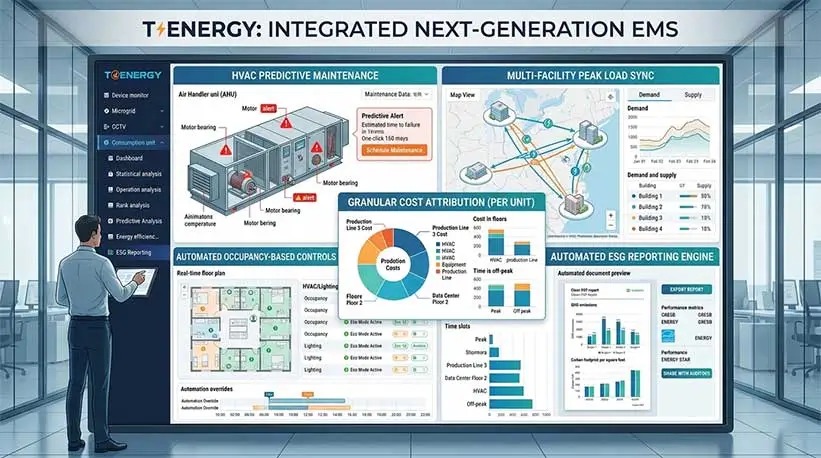
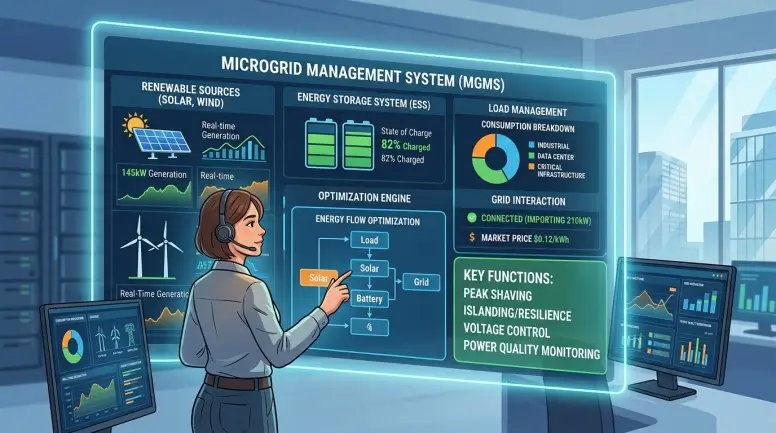
A microgrid management system is a control platform integrating hardware, software, and communication networks. It monitors distributed power sources (such as photovoltaics and wind turbines), battery energy storage systems (BESS), and electrical loads within the microgrid in real time, achieving energy balance and optimized scheduling through complex algorithms.
Its core functions include:
Grid-connected and Islanded Switching: Ensuring the microgrid can instantly switch to "islanded mode" for independent operation during external grid failures, guaranteeing uninterrupted power supply to critical loads.
Optimal Energy Scheduling: Determining when to store energy and when to sell electricity to the main grid based on real-time electricity prices, weather forecasts, and electricity consumption habits.
Power Quality Control: Regulating voltage and frequency to ensure the power supply within the microgrid meets industrial or residential standards.
For industrial parks and data centers with extremely high power supply reliability requirements, microgrid systems can serve as "advanced uninterruptible power supplies" (UPS).
Application Value: Reduces electricity costs through peak-valley pricing and provides millisecond-level switching protection during grid fluctuations.
In areas where the main grid is difficult to cover, microgrids are the only means to achieve power self-sufficiency.
Application Value: Combines photovoltaics and energy storage, reducing reliance on expensive and polluting diesel generators and lowering long-distance transmission losses.
In the event of widespread power outages due to extreme weather or natural disasters, microgrid management systems ensure that these facilities maintain core functions.
To achieve intelligent management, modern microgrids typically integrate the following technologies:
Forecasting Technology: Utilizing AI algorithms to predict photovoltaic output and load demand for the next 24-48 hours.
Layered Control Architecture:
Bottom Layer (Equipment Layer): Fast response of inverters and controllers.
Middle Layer (Coordination Layer): Responsible for power distribution among units.
Top Layer (Optimization Layer): Responsible for maximizing economic benefits and long-term strategies.
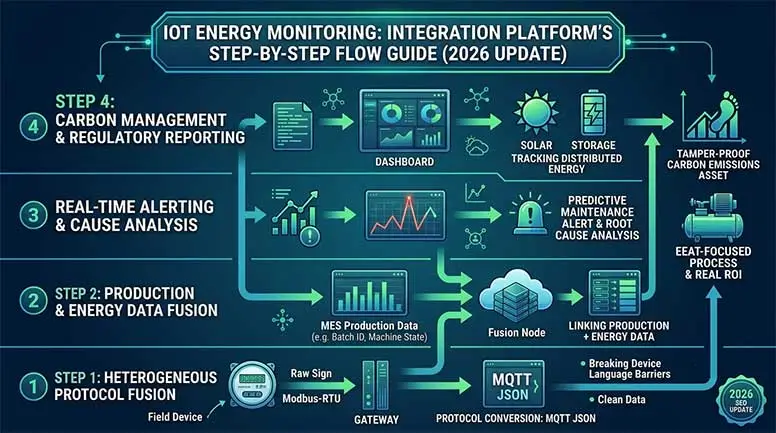
Internet of Things (IoT) Communication: Utilizing protocols such as Modbus RTU/TCP and IEC 61850 to achieve interconnectivity between devices.
With technological advancements, microgrid management is evolving in the following directions:
Virtual Power Plant (VPP) Integration: Multiple microgrids are aggregated through the cloud to participate in electricity market transactions.
Blockchain Energy Trading: Enabling peer-to-peer (P2P) electricity trading between neighbors within the microgrid.
Higher Green Electricity Penetration: Addressing the randomness and volatility of renewable energy through more advanced energy storage management technologies.
Microgrid management systems are not only an innovation in energy technology but also a transformation in energy management models. By shifting from "passive electricity consumption" to "active management," they provide businesses and communities with a more flexible, green, and economical energy future.
Have you any problem, please contact us via message