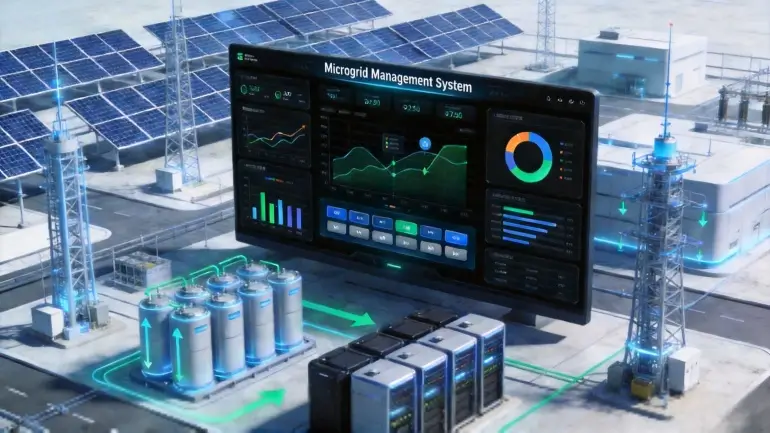


As critical public service institutions, hospitals face a critical challenge. The safety and reliability of their power supply is directly linked to medical safety and patient lives. Any short power outage can have serious consequences. With the increasing number of medical devices and the advancement of green hospital development, hospitals face increasing demands for energy management. Microgrid management systems play a crucial role in this scenario, providing hospitals with a safe, economical, and green energy security system through intelligent scheduling, energy balancing, and emergency protection.
Critical loads must have uninterrupted power supply
Operating rooms, ICUs, emergency departments, and other loads require extremely stable power supply, ensuring uninterrupted operation even during fluctuations or outages in the utility power supply
High and Fluctuating Power Consumption
Hospitals consume a significant amount of power daily, and this load fluctuates significantly as equipment and air conditioning systems operate
High Pressure to Save Energy and Reduce Emissions
As public institutions, hospitals need to respond to the national "Dual Carbon" strategy and reduce carbon emissions and energy intensity.
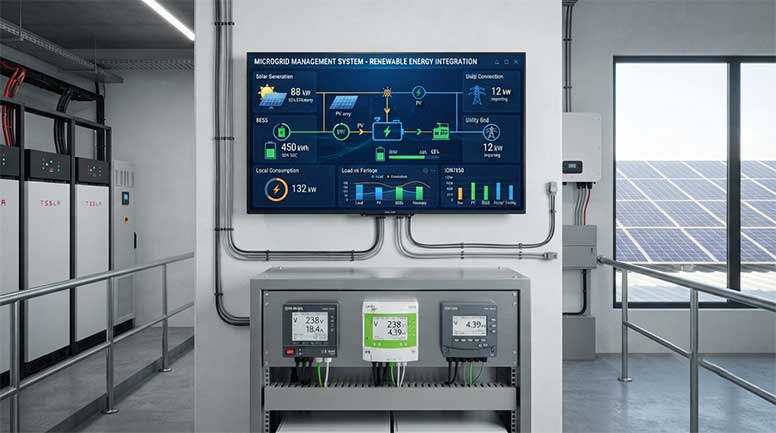
Energy Storage System Scheduling
When the grid is stable, the system automatically charges the energy storage batteries. During power outages or peak electricity prices, it quickly releases stored energy to ensure that critical hospital loads are not affected.
Distributed Energy Consumption
Rooftop photovoltaics and other distributed power sources are connected to the microgrid. The management system dynamically allocates photovoltaic power, prioritizing the operation of medical equipment and reducing reliance on the external grid.
Intelligent Backup Power Supply Switching
When the mains power is interrupted, the system can complete emergency power supply switching within 2 seconds, ensuring seamless power supply and ensuring the operation of critical areas.
Energy Efficiency Management and Cost Control
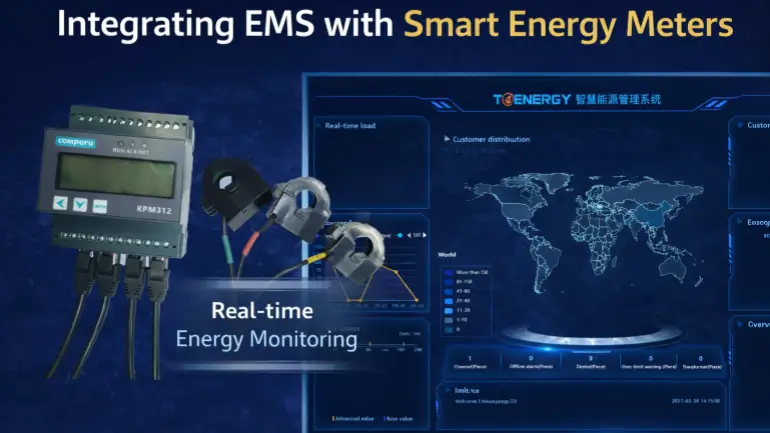
The system uses a data visualization platform to help the hospital identify energy consumption peaks, optimize equipment operation, and reduce electricity costs.
Background
The hospital has a total construction area of over 200,000 square meters, houses multiple operating rooms and intensive care units, and consumes over 50 million kWh of electricity annually. The original power system had the following issues:
Low photovoltaic utilization and high curtailment rate;
Underutilization of peak-off-peak electricity price differences;
Slow emergency power supply switching.
Solution
The hospital implemented a microgrid management system, integrating rooftop photovoltaics, a 5MWh energy storage battery, and a diesel generator. The system features an AI-powered load forecasting module, which pre-distributes power based on medical equipment usage patterns and optimizes energy storage charging and discharging strategies.
Implementation Results
Improved power supply continuity:Critical loads, such as operating rooms, can seamlessly switch to the energy storage system during power outages, ensuring zero-interruption operation.
Cost Savings: Peak-valley electricity pricing reduces electricity costs by approximately 8 million yuan annually.
Green Development: The photovoltaic utilization rate has increased to 85%, reducing carbon dioxide emissions by approximately 3,000 tons annually.
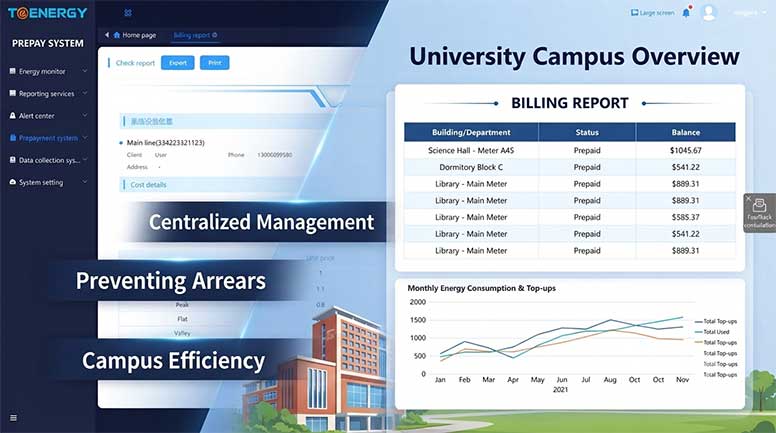
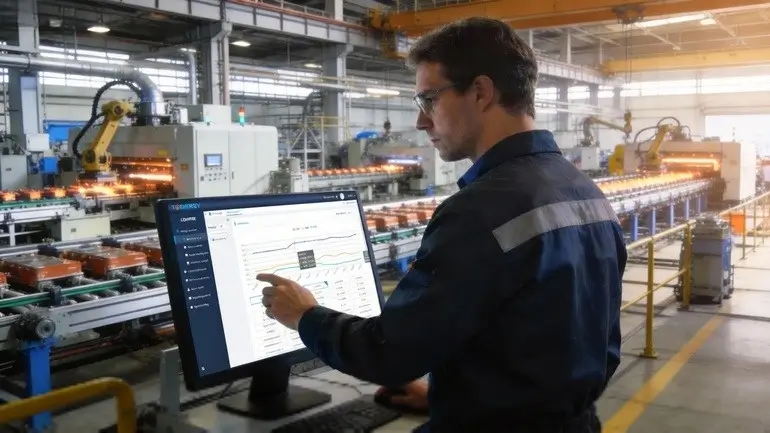
Intelligent Operations and Maintenance: Operations and maintenance personnel can use the platform to view energy consumption across departments in real time and develop energy-saving measures.
This case study demonstrates that the microgrid management system not only improves the hospital's energy security, but also significantly reduces operating costs and promotes the use of clean energy. In the future, with the deep integration of AI and the Internet of Things, hospital microgrids will become even more intelligent and automated, becoming a crucial component of the smart healthcare system.
Have you any problem, please contact us via message