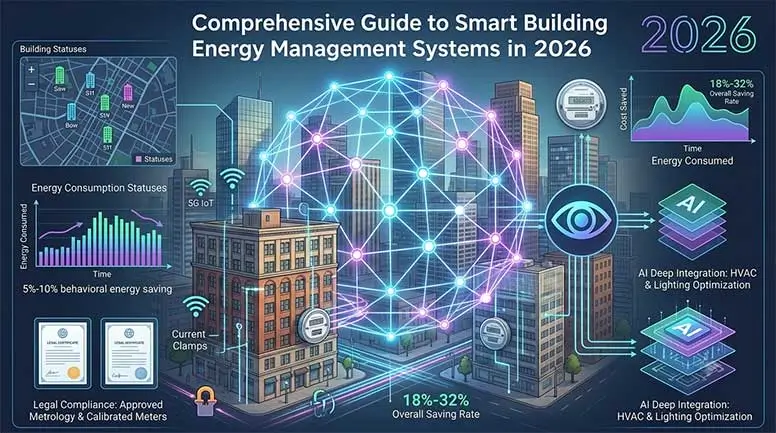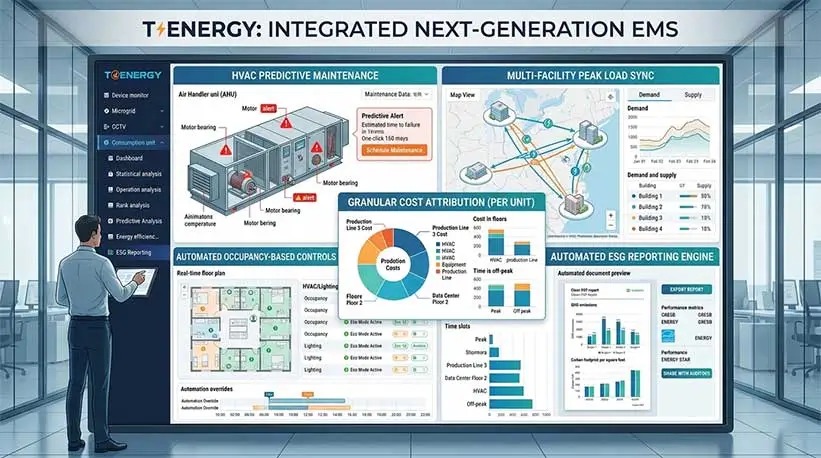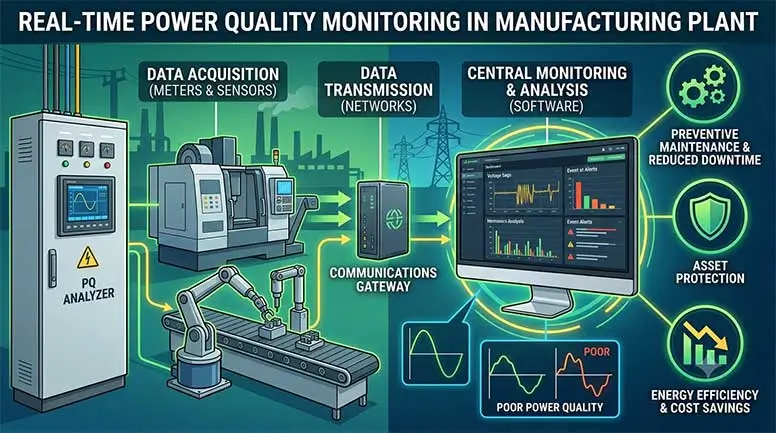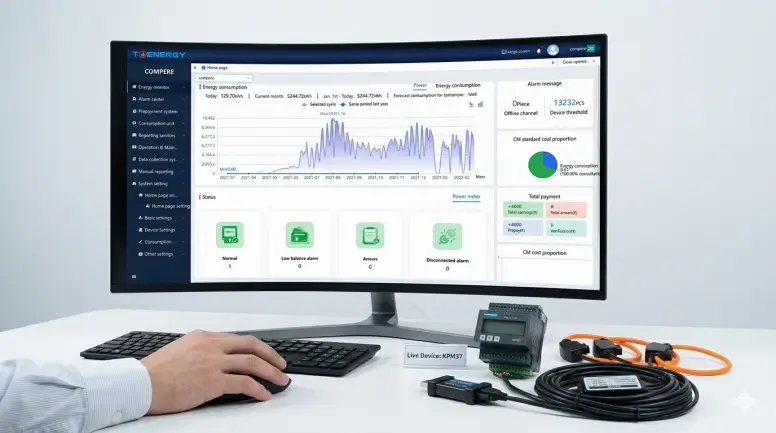

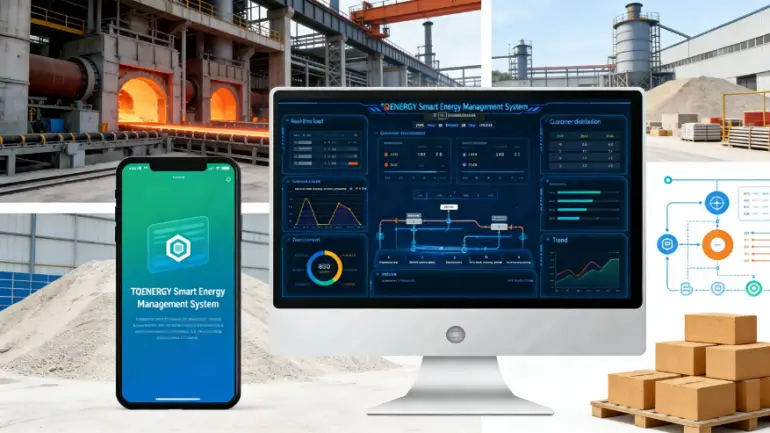
An energy management system for refractory material enterprises can achieve multiple functions. These functions aim to help enterprises achieve refined energy management, improve energy utilization efficiency, reduce energy costs, and promote sustainable development. The following are some of the main functions:
A certain refractory material enterprise mainly produces four series of products: sintered corundum, sintered mullite, magnesium aluminate spinel, and oxide ultrafine powder. These products are widely used in refractory materials for industries such as steel, cement, glass, ceramics, and petrochemicals. This refractory material enterprise mainly consumes electrical energy, and energy management is relatively rudimentary. Most of the incoming and outgoing lines in the power distribution room and large electrical equipment in the workshop lack metering instruments. Enterprise managers cannot effectively manage electricity consumption, lack effective data support, and cannot save electricity costs through management methods.
By installing metering instruments on the incoming and outgoing circuits of the power distribution room and the power circuits of important equipment in the workshop, the company's metering status is improved. Temperature and vibration sensors are installed on important production equipment in the workshop. Combined with data on the electrical and mechanical characteristics of the equipment, the health status of the equipment is comprehensively judged, helping users improve production efficiency. Online metering promptly detects leaks and spills on-site. The system's power consumption analysis and cost analysis functions help users develop effective management methods and save on electricity costs.
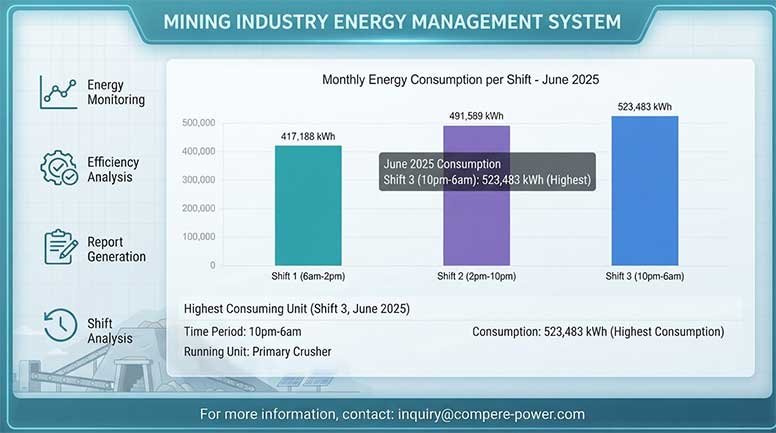
This function compares the energy consumption of the company's three teams. The system sets the operating hours of the three teams. After setting, the energy management system automatically calculates the energy consumption of each operating period, i.e., the energy consumption of the three teams in the morning, noon, and evening. By comparing energy consumption, the power consumption of equipment in different operating periods can be detected in a timely manner, indirectly improving the sense of responsibility of the team operators.
By monitoring electrical data (three-phase voltage, current, harmonics, etc.), temperature data, and vibration data of high-power mills in the equipment workshop, the health status of the equipment is comprehensively assessed. The current operating state of the equipment (healthy, warning, faulty) is analyzed, and a health score is provided. This helps companies promptly identify equipment health issues and outputs mill prediction reports to assist in predictive maintenance and prevent unexpected equipment downtime.
The power consumption and unit power consumption of high-power mills on-site are statistically analyzed. By monitoring power consumption and using alarm functions, users can promptly identify abnormal operating conditions of the mills, eliminate leaks, and mitigate equipment power consumption risks.
Utilizing industry-leading artificial intelligence models, combining traditional time series prediction models such as ARIMA, Prophet, and Holter-Winters with machine learning models such as multiple regression models, SVM, and LGB, the system helps users promptly identify abnormal energy consumption and issue timely alarms. It monitors the start-up and shutdown status of on-site equipment, analyzes the correlation between start-up and shutdown of on-site equipment, and promptly alarms when the equipment start-up and shutdown status is abnormal, avoiding energy waste caused by equipment idling.
Outputs peak, flat, and valley energy consumption reports for equipment, and calculates the cost reduction potential for each peak, flat, and valley period within the system, providing data guidance for enterprises to formulate peak shaving and valley filling policies and adjust production strategies.
Have you any problem, please contact us via message