
As an advanced localized energy solution, the value of microgrid management systems lies not only in their technological components but also in their irreplaceable energy independence and highly resilient power supply capabilities in critical sectors. This article will focus on how microgrids play a central role in several key application scenarios, becoming the cornerstone of the future distributed energy ecosystem.
For some facilities, power outages can have catastrophic consequences. Microgrids ensure continuous operation during main grid failures by providing rapid "islanding" capabilities.
Hospitals require an absolutely reliable power supply to maintain operating rooms, life support equipment, and pharmaceutical refrigeration systems.
Application Value: When natural disasters or grid collapses occur, hospital microgrids (typically combined with diesel generators and battery storage) can immediately disconnect from the main grid, continuously providing high-quality power for medical operations and patient care, ensuring energy resilience.
Data centers require extremely high power quality and uninterrupted power supply; even millisecond-level voltage drops can lead to data loss.
Application Value: Microgrids provide an additional layer of protection, smoothing out grid fluctuations and providing backup power for critical servers and cooling systems for hours or even days during prolonged mains grid outages, making them a strategic deployment for energy security.
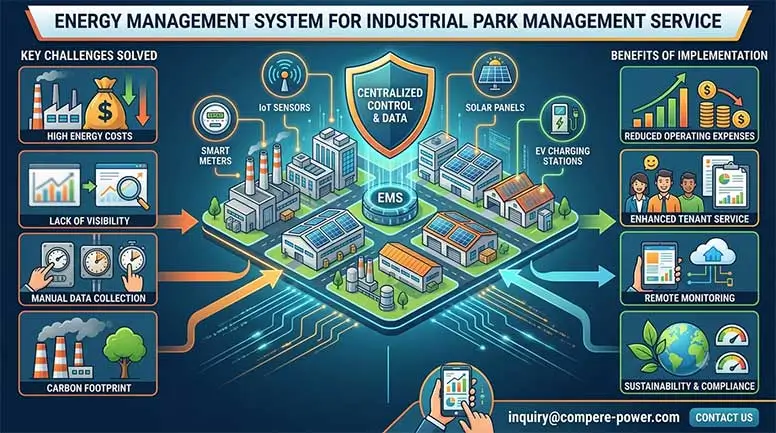
In geographically concentrated areas with multiple buildings and diverse load demands, microgrids enable centralized management and optimized utilization of energy.
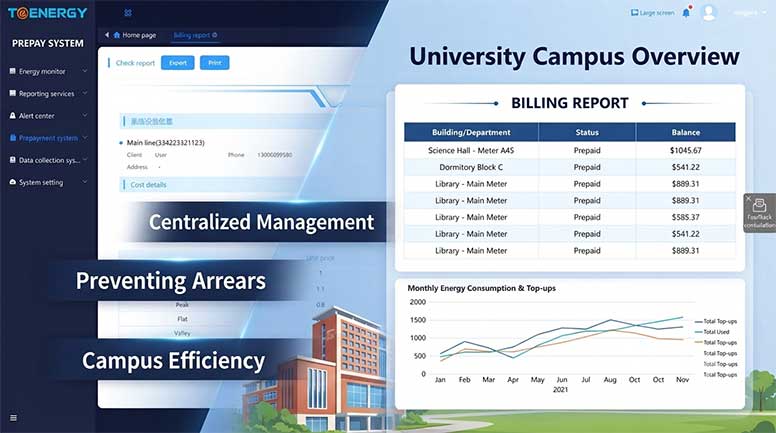
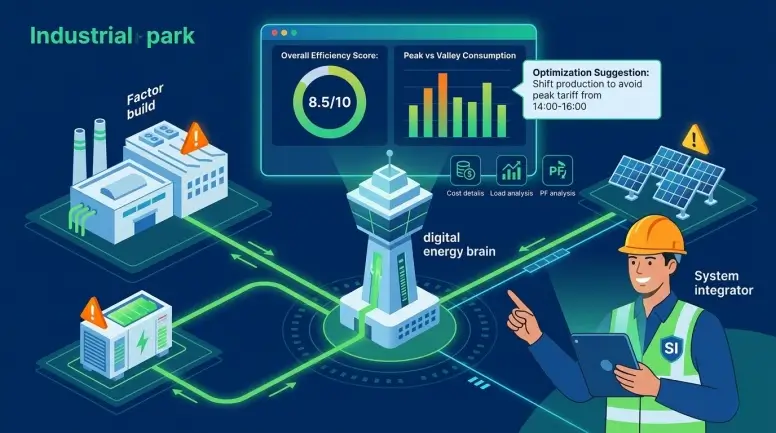
Large campuses or high-tech parks typically possess their own power generation assets (such as combined heat and power plants or large solar arrays), and microgrids maximize the utilization of these assets.
Application Value: Peak Shaving and Valley Filling—Utilizing local generation or energy storage during peak electricity demand periods avoids purchasing expensive electricity from the main grid, significantly reducing operating costs. Simultaneously, it provides a high degree of energy independence for research activities and student life.
These facilities require power supply capabilities completely independent of the civilian grid to prevent strategic disruptions.
Application Value: Microgrids utilize decentralized power systems to ensure the continuous operation of command, communication, and critical defense systems during military conflicts, cyberattacks, or large-scale natural disasters—a core component of national energy security.
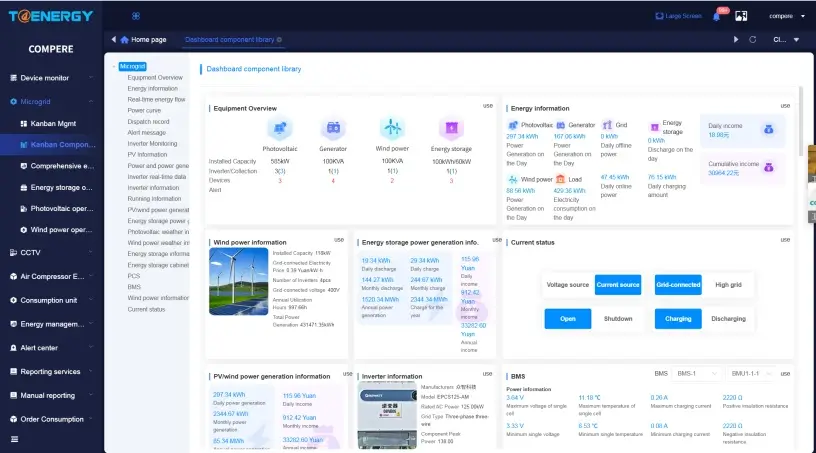
Microgrids play an irreplaceable role in geographically remote areas or applications pursuing sustainable development goals.
For remote areas lacking connection to the main grid (such as remote mines, islands, or remote villages), traditional diesel-powered power generation is costly and polluting.
Application Value: Renewable energy microgrids (such as wind/solar power + energy storage) can significantly reduce dependence on imported fossil fuels, providing clean and economical energy-independent power solutions, improving the quality of life for local residents, and protecting the environment.
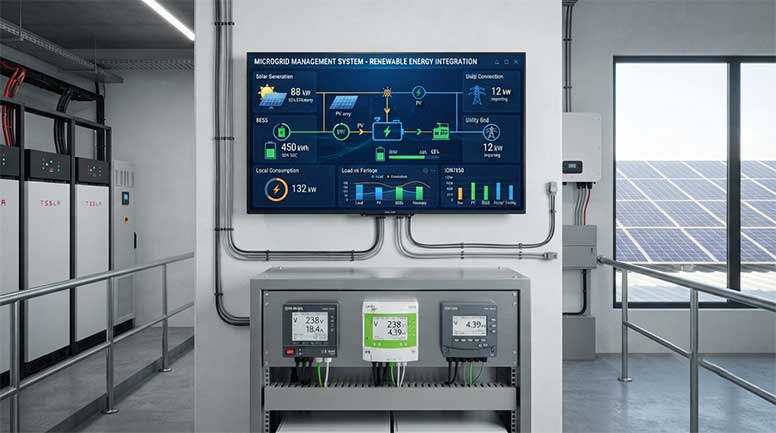
Microgrids have the ability to smooth out intermittent renewable energy output. By utilizing advanced energy storage systems and intelligent control, microgrids can stabilize fluctuations in solar and wind power and safely and efficiently integrate them into the local grid.
Application Value: Microgrids solve the problem of renewable energy's reliance on weather conditions, accelerate the green transformation of the energy structure, and support the achievement of global carbon neutrality goals.
Microgrids are evolving towards greater intelligence and interconnectivity, and their application boundaries will continue to expand:
Electric Vehicle (EV) Charging Hubs: Large EV charging stations can utilize microgrids to manage massive, instantaneous charging loads and, combined with local photovoltaic power generation, reduce the impact on the main grid infrastructure.
Cornerstone of Virtual Power Plants (VPPs): Multiple microgrids can coordinate their operation through advanced software platforms, jointly providing services to a larger electricity market (such as frequency regulation and backup), thereby achieving higher economic efficiency and overall system resilience.
Microgrids are not merely a collection of technologies; they are an effective way to achieve resilient, economical, and environmentally friendly power supply and a key strategy for building a decentralized, energy-independent grid of the future.
Have you any problem, please contact us via message