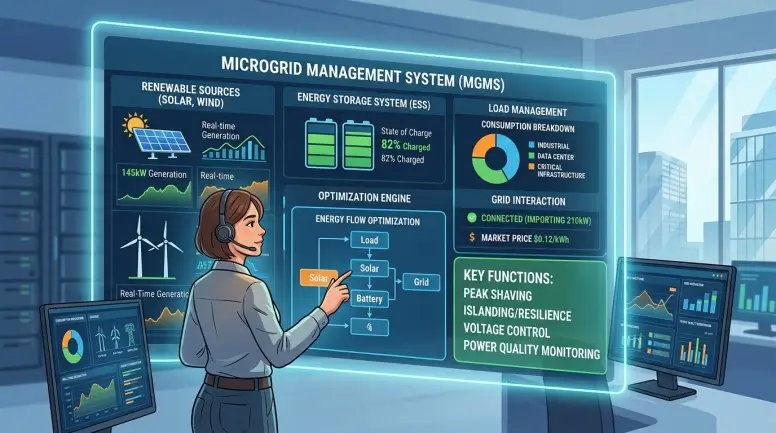

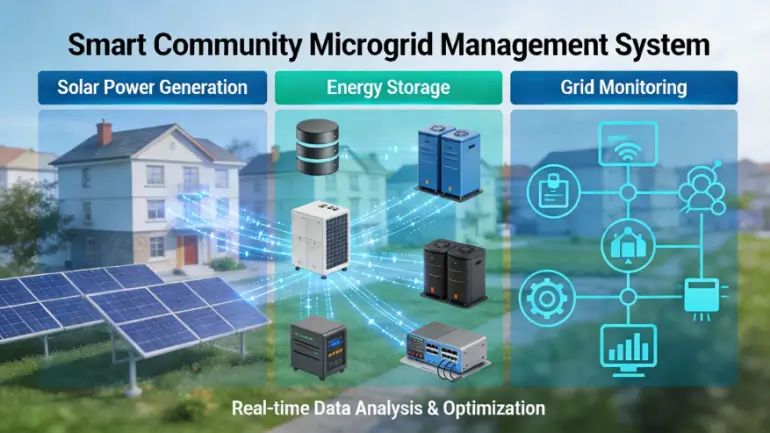
Smart communities advocate for resident-participatory energy management. The microgrid management system unifies and coordinates residential photovoltaic systems, community energy storage, charging piles, and public facilities to promote a closed-loop economy of "rooftop power generation - community consumption - resident mutual supply."
Dispersed residents, mismatch between power generation and consumption timing, sensitive residential electricity prices, and complex compliance and settlement mechanisms.
Two-tiered management: Prioritizes electricity use and manages baseline dispatch within households; the community handles surplus power sharing, energy storage subsidies, and settlement.
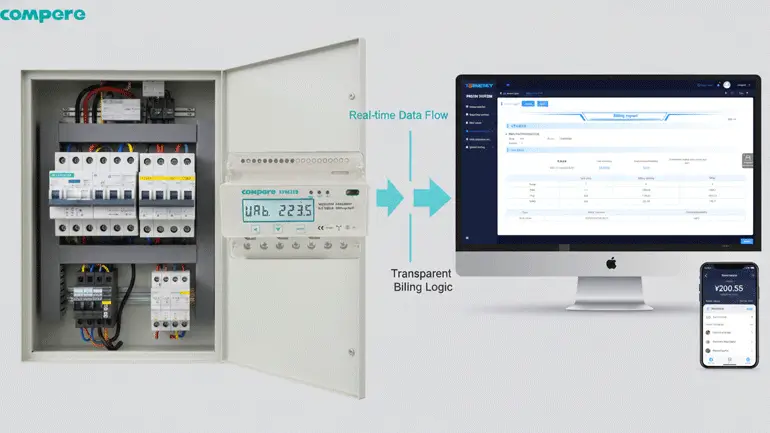
P2P and Community Transactions: Enables intraday or real-time transactions based on the platform, using a transparent ledger (not necessarily blockchain) to ensure accurate settlement.
Charging/Discharging and Electric Vehicle Integration: Supports V2G (vehicle-to-grid) or VPP (virtual power plant) models, utilizing idle vehicle batteries for dispatch.
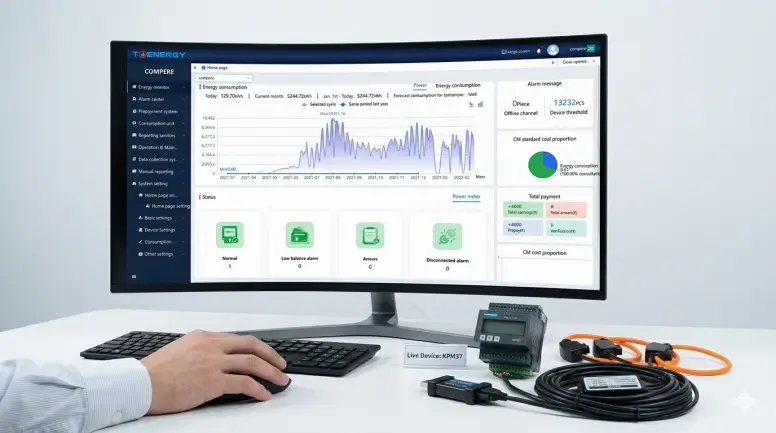
Resident Visualization and Incentive Mechanisms: The app displays power generation/consumption/revenue, coupled with points or cash incentives to encourage participation.
The community installed 800kW of solar PV + 400kWh of energy storage; one year after the platform went live:
The community's solar PV self-consumption rate increased to 94%; residents' average electricity bills decreased by 18%;
Through the "community time bank," residents sold surplus electricity to their neighbors, achieving small-scale revenue sharing;
During a typhoon-induced power outage, the community achieved 48 hours of partial self-sufficiency, ensuring elderly care and critical power needs.
First, select 1-2 neighborhoods or several buildings as pilot projects to verify settlement and equipment interface specifications;
Establish clear revenue sharing rules and educate residents to lower the participation threshold;
Pay attention to data privacy and electricity anonymization, and ensure compliant implementation.
The microgrid in a smart community is not just a technological upgrade, but also a socialized operation and maintenance and economic incentive model that can improve residents' quality of life and community resilience in the long term.
Have you any problem, please contact us via message