
Domestic enterprises are facing the challenge of shifting from dual energy consumption controls to dual carbon emissions controls. What are the requirements for dual carbon emissions controls for enterprises? What tasks should enterprises implement? How can energy management systems help enterprises manage carbon emissions?
Definition of Dual Energy Consumption and Dual Carbon Emission Control: Dual energy consumption control refers to the implementation of dual control over both total energy consumption and intensity, primarily to strengthen energy conservation and efficient energy utilization. Reducing energy consumption per unit of GDP, as a key constraint on economic and social development, is a key assessment focus for energy conservation management. Dual carbon emissions control controls both total carbon emissions and intensity, and will be a key component of the comprehensive evaluation and assessment of achieving carbon peak and carbon neutrality goals.
Both dual energy consumption control and dual carbon emission control are policies aimed at protecting the environment and resources. The key difference between the two is that dual energy consumption control focuses on improving enterprises' energy efficiency, reducing energy waste from production to consumption, optimizing the enterprise's energy structure, and providing sustainable energy security for their development. Dual carbon emission control focuses on controlling and reducing emissions of greenhouse gases, primarily carbon dioxide, requiring enterprises to mitigate their impact on climate change during production, prioritize the use of clean energy, and promote low-carbon and sustainable development.
Dual carbon emission control requires enterprises to establish and set targets for total carbon emissions and intensity, and then assess these targets. Therefore, first, enterprises must conduct carbon inventory to determine their annual total carbon emissions. Second, based on these inventories, they should set annual carbon emissions and intensity control targets in accordance with government requirements and their development plans. Finally, they should formulate and implement energy-saving and carbon-reduction measures to ensure the achievement of dual carbon emission control targets. Dual carbon emission control is a long-term undertaking, requiring the establishment of an effective operational mechanism to ensure the achievement of control targets. Energy management systems can continuously improve energy performance, prompting companies to transform their energy management practices and introduce new energy sources, thereby effectively reducing their energy-related carbon emissions and helping them establish sustainable energy conservation and emission reduction mechanisms.
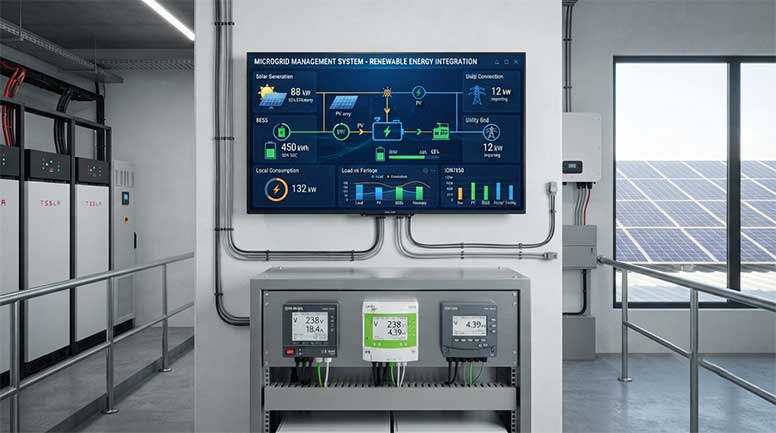
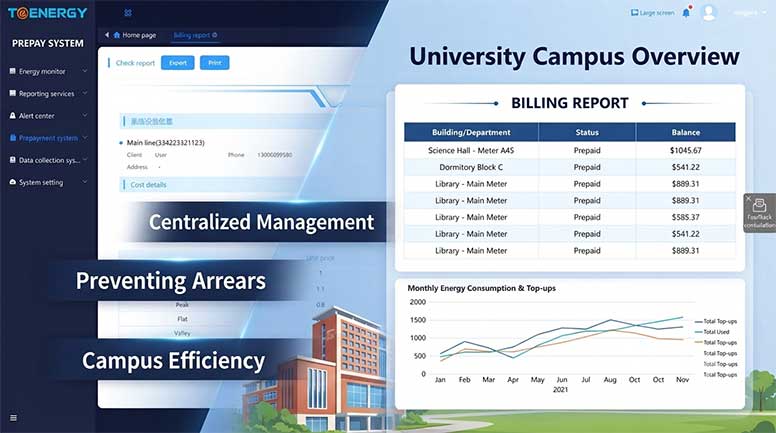
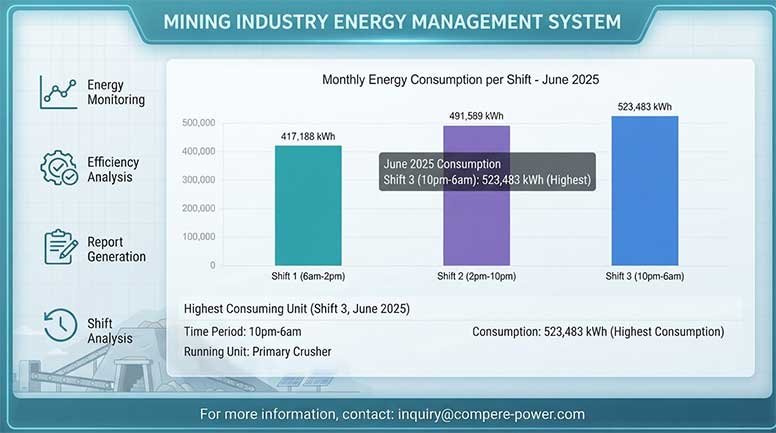
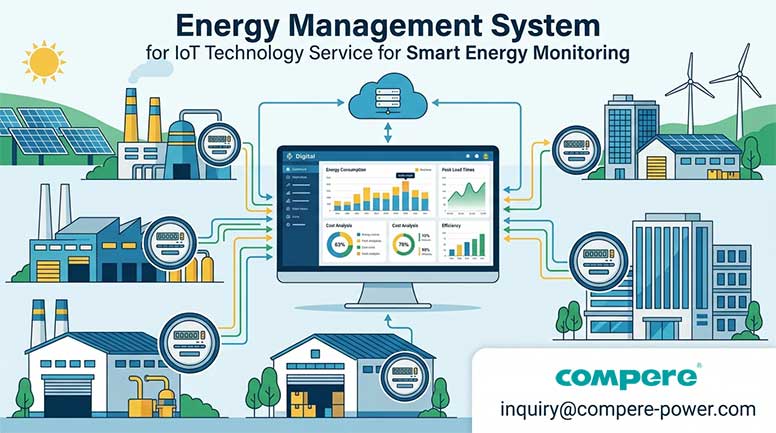
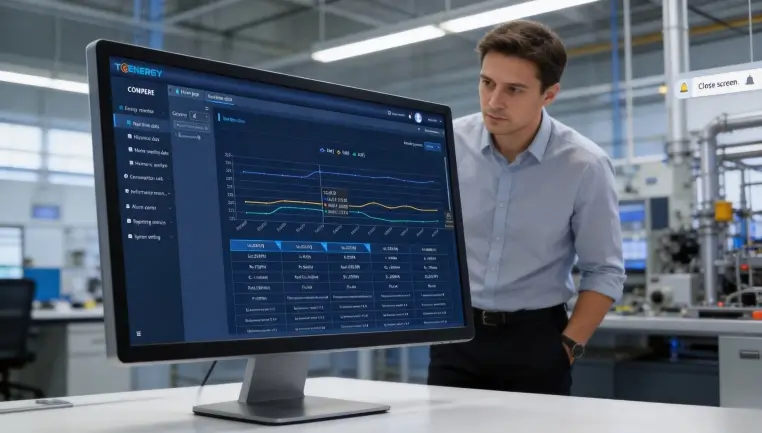
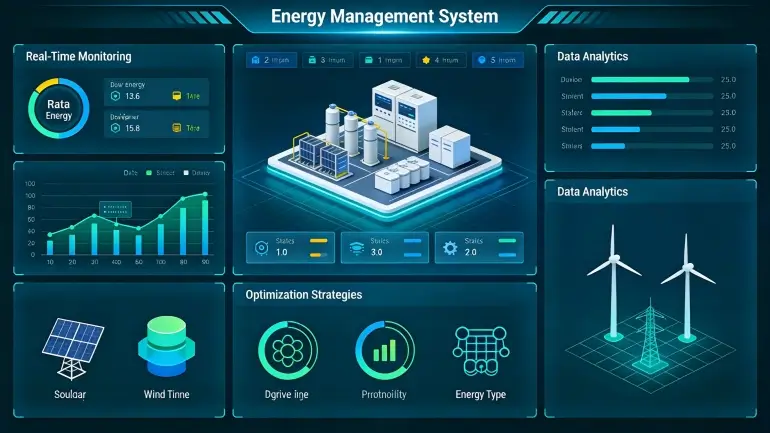
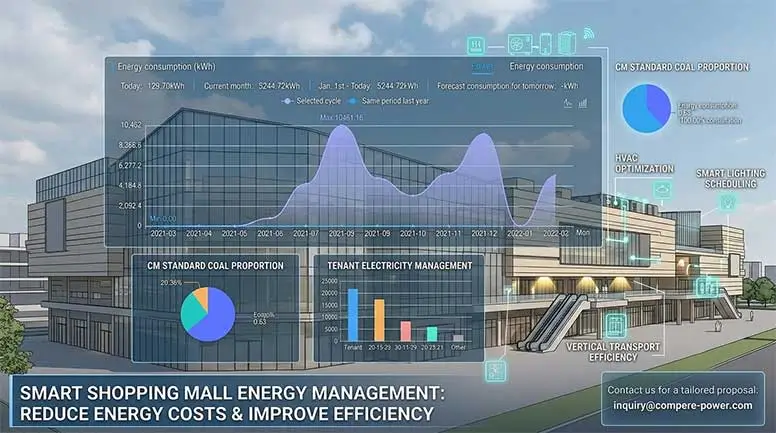
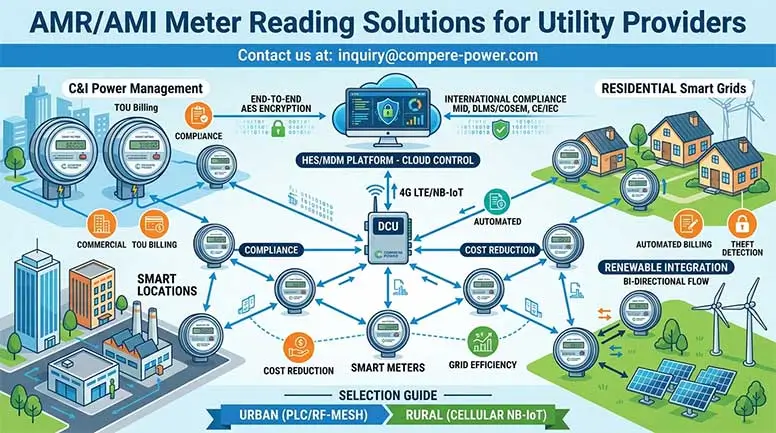
Energy management systems comprehensively manage and analyze trends across an enterprise's energy data, including coal, oil, gas, water, electricity, photovoltaics, and energy storage. Leveraging technologies such as big data, cloud computing, edge computing, and the Internet of Things (IoT) to cluster, clean, and analyze collected data, they establish an enterprise-wide carbon asset management model, enabling centralized and systematic information-based control and management of carbon assets, reducing equipment operating costs and improving energy efficiency.
The system adopts intelligent integration technology and is based on a B/S-structured energy management platform. It collects energy consumption and operation information from various energy consumption monitoring points (power transformation and distribution, lighting, air conditioning, elevators, water supply and drainage, water heaters and key equipment), and forms statistical analysis of energy consumption by category, item and region. It plays an important role in unified energy scheduling, optimizing energy medium balance, reducing carbon dioxide emissions, improving environmental management, reducing overall energy consumption of enterprises and improving labor productivity, helping customers use energy more effectively, thereby achieving "energy-saving management and green energy efficiency."
Have you any problem, please contact us via message