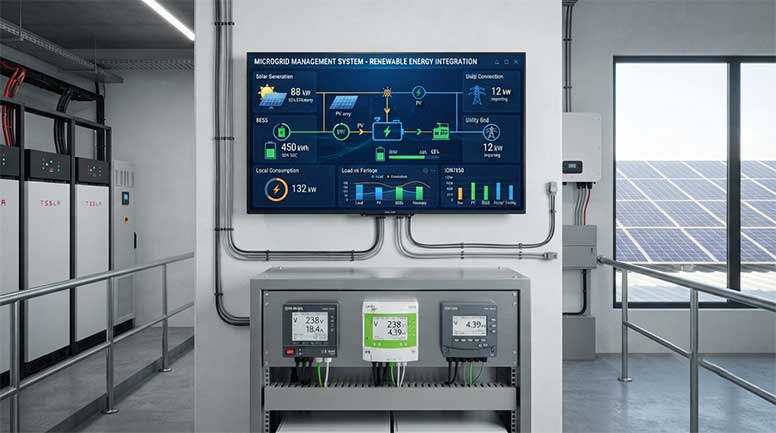

In the wave of Industry 4.0, system integrators are at an awkward turning point: traditional power distribution and low-voltage integration projects have razor-thin profit margins, while customer demand for energy digitalization is exploding.
To stand out in bidding, you don't need cheaper instruments, but an energy management foundation that creates sustainable value for your customers.
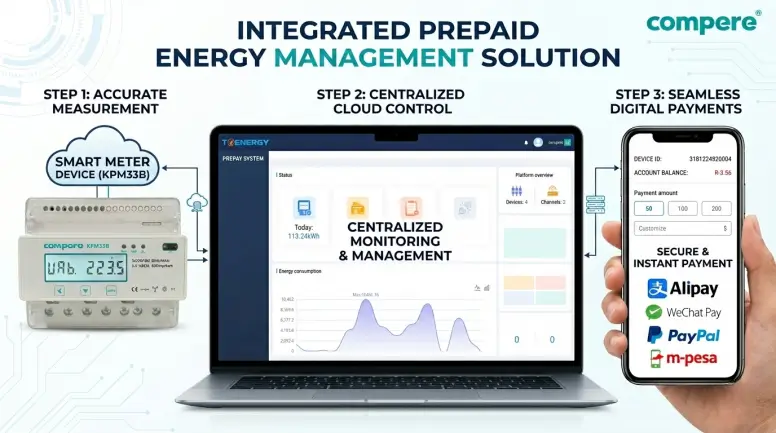
Most integrators are still selling single hardware specifications, inevitably leading to price wars. Leading integrators have begun to transform by providing integrated hardware and software solutions.
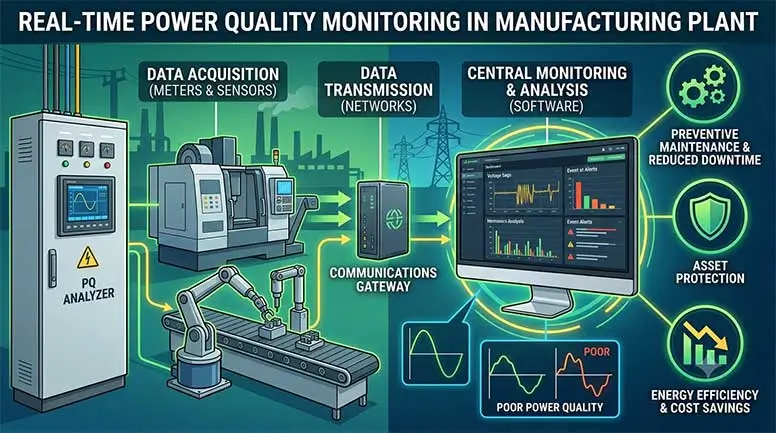
More than monitoring, more diagnostics: Solutions no longer just display current and voltage, but uncover hidden power quality problems through data, such as harmonic interference or three-phase imbalance—precisely what high-end industrial customers are willing to pay for.
More than delivery, more operation: Through platform-based management, you can transform "engineering projects" into "long-term operation and maintenance contracts," achieving secondary business growth.
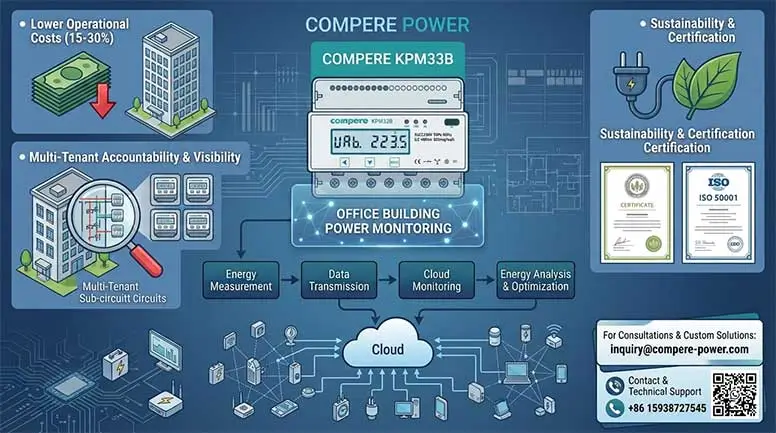
For target customers (such as large industrial parks, smart factories, and commercial complexes), the core value of an energy management system must directly address their billing concerns:
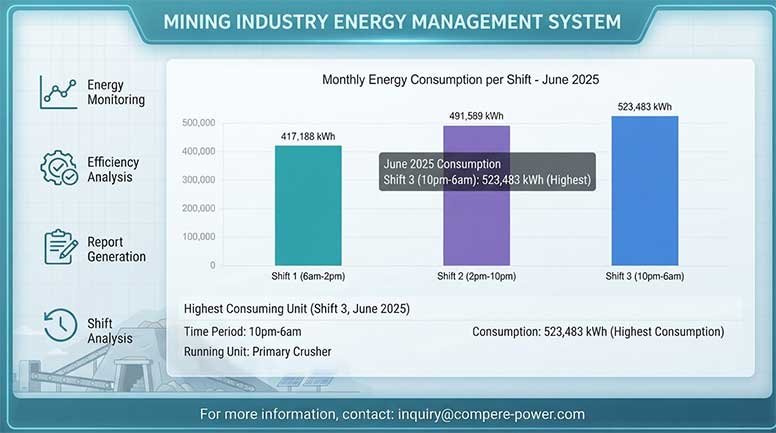
Peak-Valley Electricity Price Arbitrage: Automatically analyzes the peak and valley electricity consumption distribution of enterprises, optimizes production scheduling or energy storage switching, and directly reduces electricity expenses.
Preventive Maintenance: Provides early warnings when abnormal fluctuations in the load of critical circuits are detected, avoiding huge production losses caused by unplanned downtime.
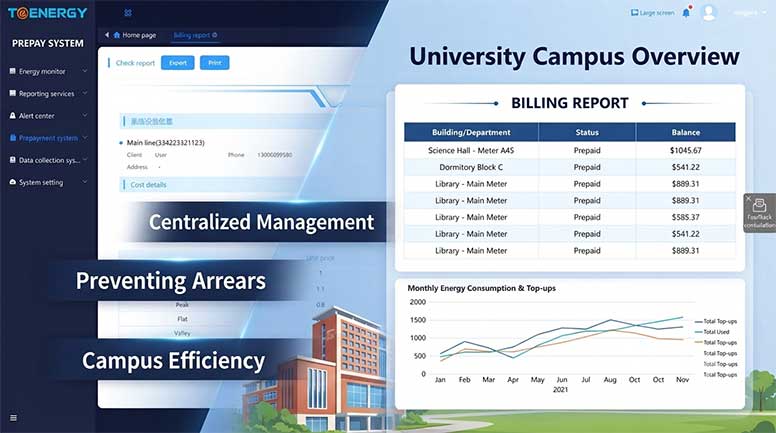
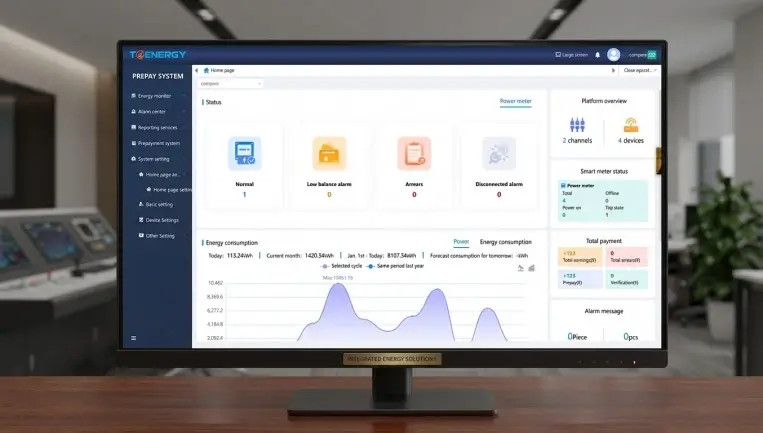
Refined Cost Accounting: Assists enterprises in accurately allocating electricity costs to each workshop, each production line, and even each piece of equipment, solving management blind spots.
System integrators fear project delays and cumbersome after-sales service the most. An excellent energy management system should possess the following characteristics:
Modular Installation: Hardware adopts a standard rail design, significantly shortening construction time and reducing labor costs.
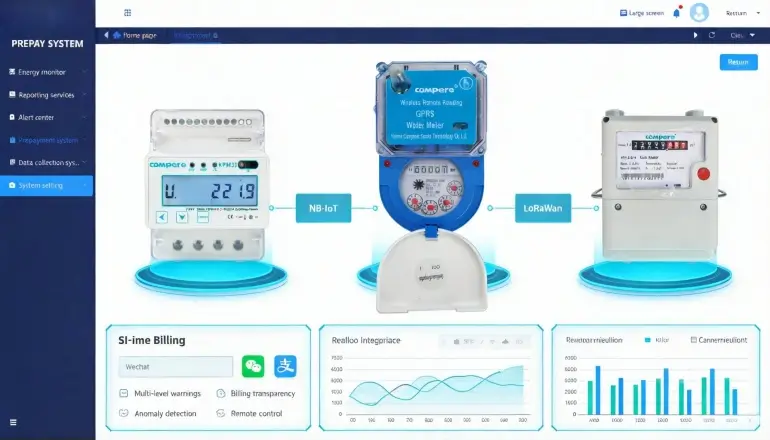
Open Protocols: Supports multiple standard protocols such as Modbus and MQTT, enabling seamless compatibility with existing third-party equipment on-site, reducing the workload of system development. Remote cloud debugging: No need for frequent on-site trips; configuration upgrades can be completed directly through the backend, significantly reducing the marginal cost of after-sales maintenance.
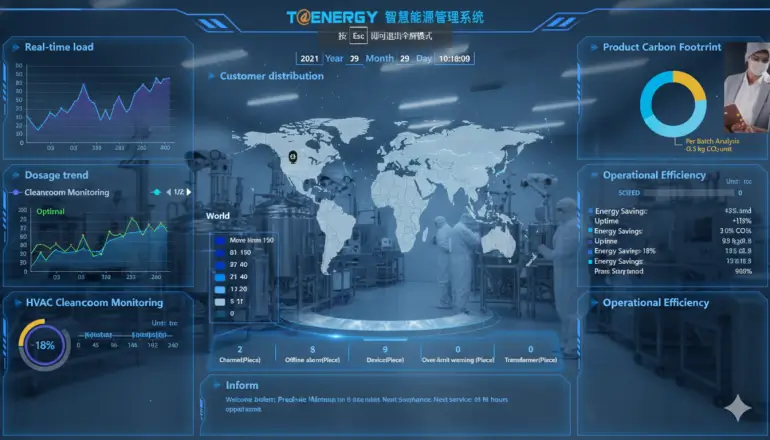
The second half of the energy management market is about the deep mining of data value. As a system integrator, having a stable, intelligent, and easily scalable energy management platform is not only a selling point for your products but also a core competitive advantage in the digital age.
Have you any problem, please contact us via message