
In traditional industrial parks, commercial complexes, or large industrial enterprises, the "use energy first, pay later" model has long been dominant. However, this model harbors persistent management problems such as delayed payments, bad debt risks, inefficient manual meter reading, and energy waste.
With the deep integration of the Internet of Things (IoT) and fintech, digital prepaid energy management systems are emerging as an efficient solution, helping managers achieve real-time synchronization of "energy flow" and "cash flow."
For operators of industrial parks or the finance departments of enterprises, the traditional payment model often faces the following pressures:
Cash Flow Pressure: Paying large sums upfront to the power grid/energy company and then recovering them from tenants or departments can easily lead to tight cash flow for operators.
Collection Game: Facing tenants with outstanding payments, collection costs are high, and there is a lack of effective technical means to restrict payment.
Management Blind Spots: The lack of real-time energy consumption monitoring and the inability to provide early warnings when balances are low can easily lead to unplanned power outages. II. Prepaid System: Core Functions and Technical Logic
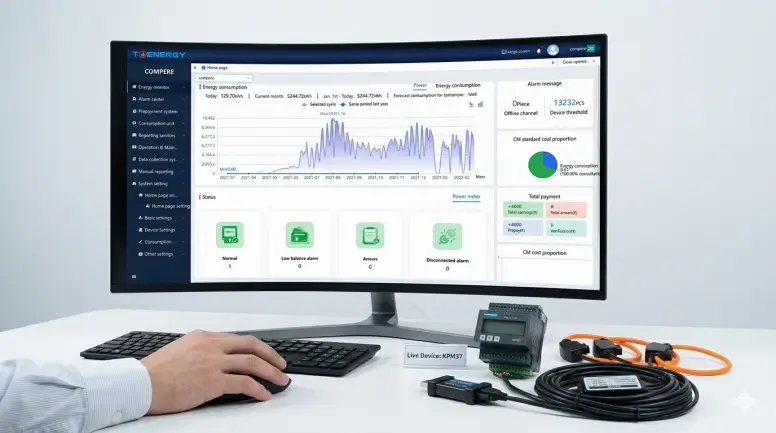
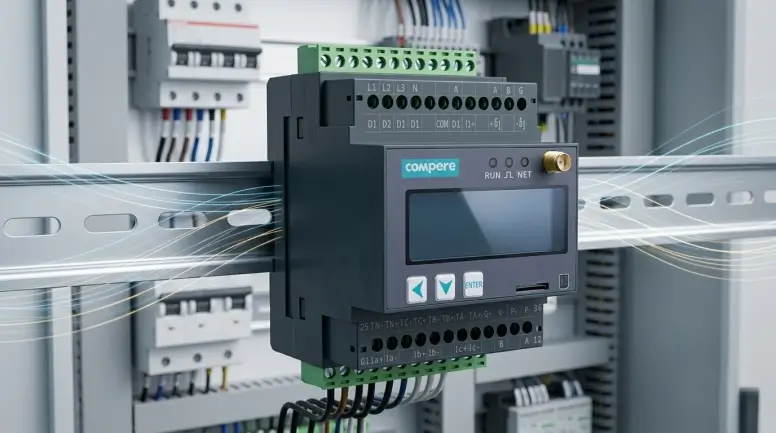
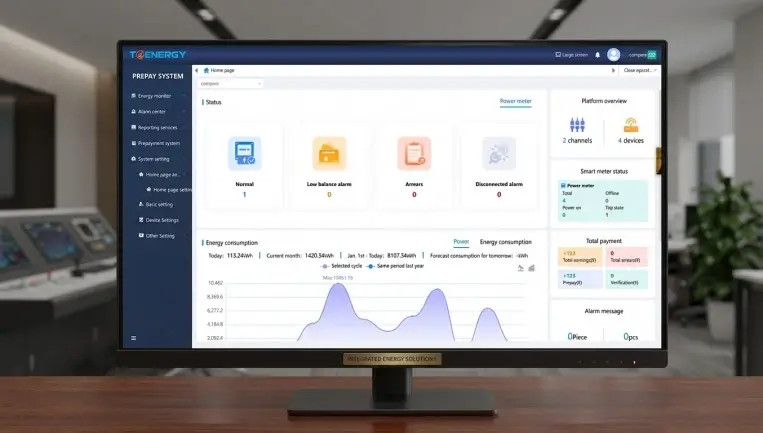
Modern prepaid systems are no longer simple "prepaid meters," but rather cloud-based platforms integrating sensing, settlement, and risk control.
The system supports real-time top-ups via PC and mobile devices (APP/WeChat mini-program). Users can independently check their balance, bill details, and energy consumption statistics.
The system has a built-in multi-level alarm mechanism: when the balance falls below a preset value, the system automatically pushes a payment reminder via SMS or APP; when the balance reaches zero, the system can automatically execute remote power/water cut-off operations according to preset rules.
Supports complex rate settings, including peak, flat, and off-peak tiered pricing in industrial electricity pricing, as well as personalized unit price settings for different time periods and energy consumption types, meeting diverse business needs.
Through the "prepay, use" mechanism, the system completely resolves issues of overdue payments and bad debts, returning control of cash flow to management and significantly improving financial indicators.
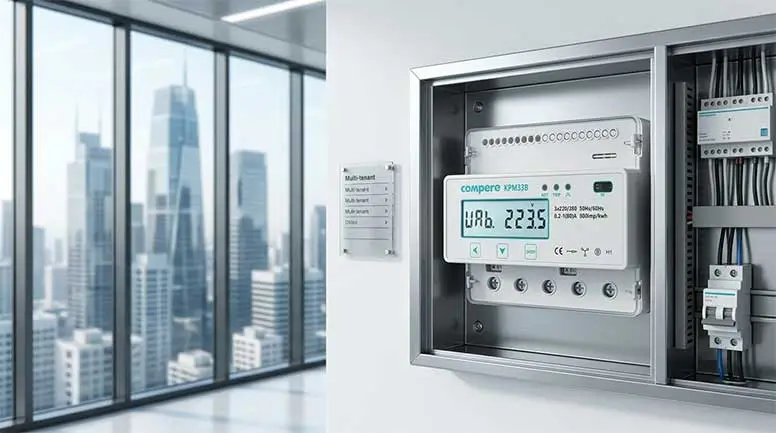
The system achieves fully automated meter reading, automatic billing, and automatic shutdown/resumption of services. Management no longer needs to manually read meters on-site or collect payments, significantly reducing manpower expenditures in property management.
The combination of prepaid data and energy efficiency analysis allows users to have a more acute and intuitive understanding of their energy costs, thereby proactively triggering energy-saving behaviors (such as peak-shaving and shutting down redundant equipment), achieving spontaneous reduction in overall energy consumption.
Fully digital billing is open and transparent, avoiding disputes caused by errors in manual calculation. Real-time payment and automatic instruction issuance processes also improve the user experience for tenants and various departments within the company.
Smart Industrial Parks: Address the pain points of high industrial electricity load and high electricity cost turnover.
Commercial Complexes/Leasing Centers: Address the issues of high shop turnover and difficulty in collecting payments.
Internal Accounting in Large Factories: Implement energy indicator management for different production lines or departments, achieving "whoever uses energy, is responsible."
The prepaid energy management system is not merely a payment tool; it is a "frontline" for the digital transformation of energy efficiency. By embedding payment logic into energy consumption scenarios, it not only solves the most sensitive financial compliance issues but also guides enterprises from extensive to intensive energy use through data-driven approaches, laying the foundation for building a smart and sustainable energy ecosystem.
Have you any problem, please contact us via message