Driven by the global energy transition and carbon neutrality goals, microgrid systems have become a key direction for smart energy management. This article will delve into the definition, working principle, core components, advantages, and typical application scenarios of microgrids, helping you systematically understand this key technology in the future energy field.
1. What is a Microgrid System?
A microgrid system is a locally operating power network composed of distributed power sources (such as solar, wind, and energy storage systems), loads, a power management system, and a control system. It can operate connected to the main power grid (large grid) or, when necessary, "island" operation to achieve autonomous power supply. Simply put, a microgrid is a "small power system" capable of flexibly allocating energy according to real-time demand, achieving efficient and reliable power supply.
2. Working Principle of a Microgrid System
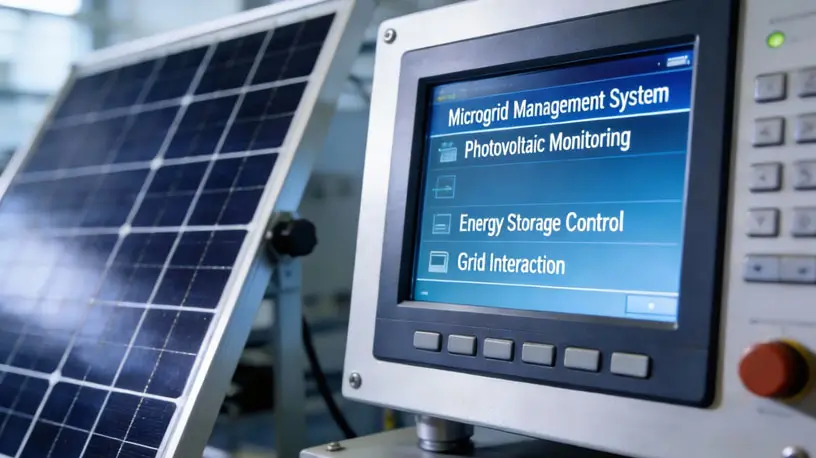
Microgrid systems achieve local production, storage, and consumption of electricity through intelligent control and energy management.
Its core principle includes the following three aspects:
Energy Harvesting:Generating electricity through equipment such as photovoltaic panels, wind turbines, biomass energy, or gas turbines.
Energy Storage:Battery energy storage systems (such as lithium batteries and sodium-sulfur batteries) store electricity when there is excess power and release it during peak load periods, balancing supply and demand.
Intelligent Control:Energy Management Systems (EMS) monitor parameters such as voltage, current, and frequency in real time to optimize power distribution and scheduling.
3. Components of a Microgrid System
A complete microgrid system typically includes the following five core modules:
Distributed Power Sources: Local power sources such as photovoltaic, wind power, and gas-fired power generation.
Energy Storage Systems: Balancing supply and demand, improving power quality and reliability.
Load Devices: Powered devices, such as residential, industrial, and commercial facilities.
Control System (EMS): Monitoring and scheduling energy flow to achieve automated and intelligent management.
Communication Network: Real-time data transmission for cloud monitoring and remote control.

4. Advantages of Microgrid Systems
(1). Improved Power Supply Reliability
In the event of a main grid failure or power outage, the microgrid can automatically switch to independent operation, ensuring continuous power supply to critical loads.
(2). Enhanced Energy Efficiency
Energy management systems optimize energy scheduling, reduce power losses, and achieve energy self-balancing.
(3). Promote Renewable Energy Consumption
Microgrids can flexibly integrate intermittent power sources such as photovoltaics and wind power, reducing wind and solar curtailment.
(4). Save Costs and Reduce Carbon Emissions
Local power generation and consumption reduce transmission losses and effectively lower carbon footprints.
5. Conclusion
Microgrid systems are not only a product of the energy revolution but also a crucial technological pathway to achieving clean, efficient, and intelligent electricity use.
Whether it's industrial enterprises, industrial parks, public institutions, or households, they may all become part of the microgrid ecosystem in the future.
Through scientific design and digital management, microgrids will drive the global energy system towards a greener and smarter future.
For more information, please contact us:
Email: [email protected]
Tel: +86-15938727545
Website: https://comperepower.com/