
Energy has become one of the most important operating costs for modern factories. With rising electricity prices, increasing production demands, and stricter sustainability requirements, manufacturers are looking for better ways to understand and control their energy consumption.
However, many factories still rely on traditional energy management methods, such as manual meter reading, monthly electricity bills, and independent monitoring devices. These methods can provide basic consumption information, but they often fail to answer critical questions: Where is energy being wasted? Which production line consumes the most electricity? When does abnormal energy consumption occur?
Without accurate and real-time energy data, factory managers often have difficulty identifying improvement opportunities and making effective energy-saving decisions.
A smart energy management system for factories provides a practical solution by helping manufacturers collect, analyze, and manage energy data across production areas. Through real-time monitoring and data-driven analysis, factories can improve energy visibility, reduce unnecessary consumption, and optimize daily operations.
Many factories operate multiple production lines, workshops, and electrical systems. However, energy consumption data is often only available through monthly utility bills or manual meter readings.
This creates several challenges:
For example, a factory may notice that its electricity bill keeps increasing but cannot determine whether the increase comes from additional production, inefficient equipment operation, or unnecessary standby power consumption.
Without detailed energy information, companies cannot take targeted actions to improve energy efficiency.
Modern factories usually contain different types of electrical equipment, including motors, compressors, HVAC systems, production machines, and auxiliary equipment.
Without effective monitoring solutions, factories often struggle with:
In many cases, energy waste does not come from a single major problem. Instead, it results from small inefficiencies across multiple processes.
Electricity costs directly influence manufacturing profitability. For energy-intensive industries, improving energy efficiency can significantly reduce unnecessary operational expenses.
Common problems include:
Modern factories need a proactive energy management approach that allows them to monitor consumption continuously and optimize operations before unnecessary costs occur.
More manufacturers are focusing on energy efficiency and carbon reduction strategies. Accurate energy data has become essential for companies that want to improve sustainability performance.
Factories need to understand:
A digital energy management approach provides the data foundation needed for long-term energy optimization and carbon management.
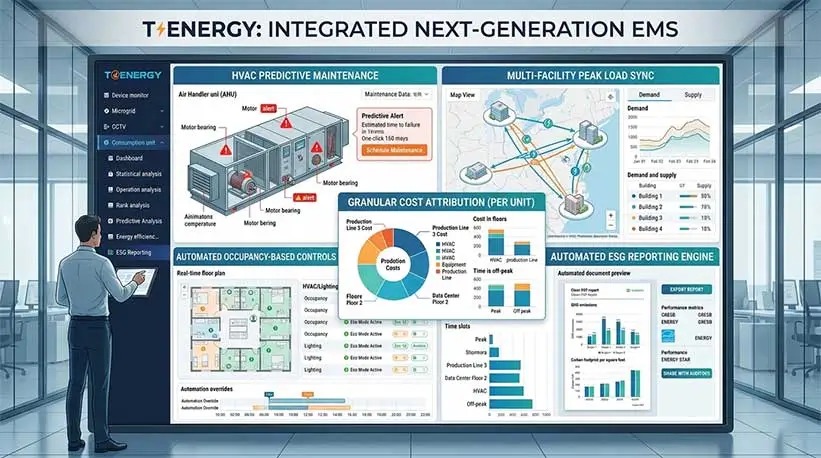
A smart energy management system for factories helps manufacturers transform energy data into actionable insights.
Instead of relying on manual collection methods, the solution automatically gathers electricity consumption information from different areas of the factory and provides a clearer understanding of energy usage.
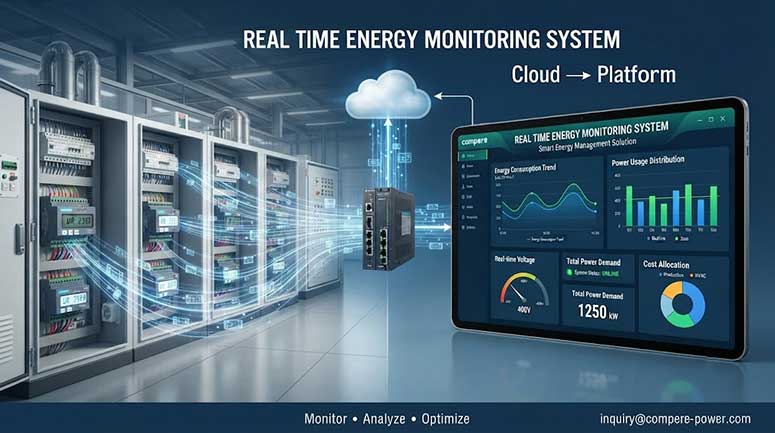
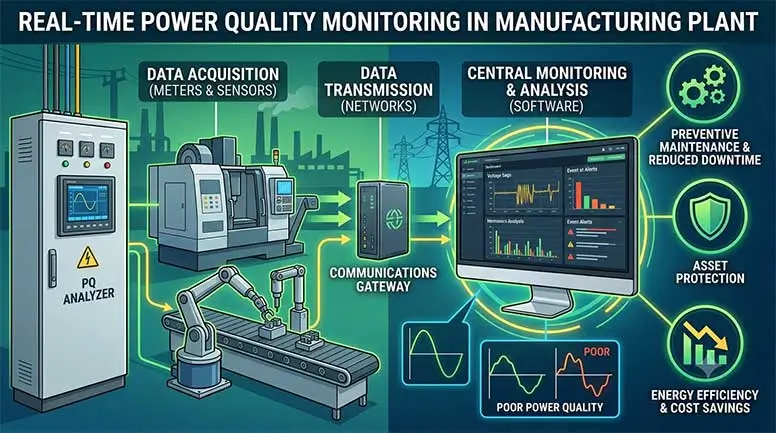
By combining industrial smart energy meters, communication gateways, and energy monitoring software, factories can build a digital energy management system that supports better operational decisions.
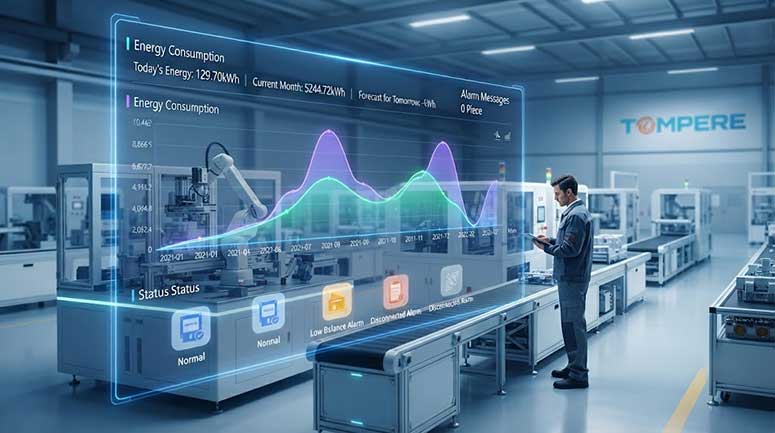
One of the biggest advantages of a smart energy management solution is real-time monitoring.
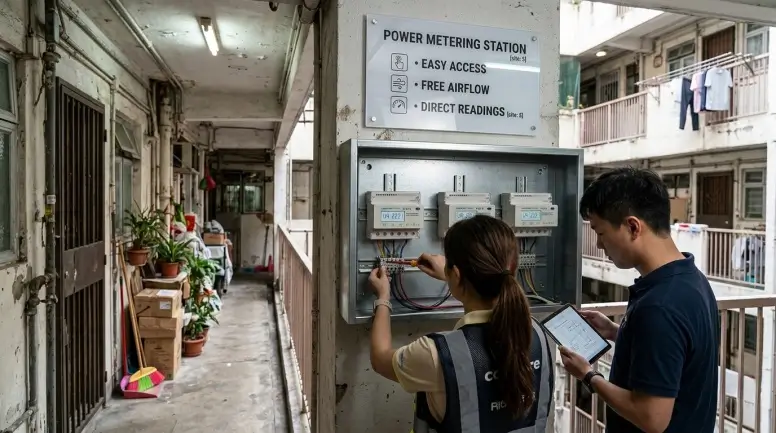
By installing smart energy meters at key locations, factories can continuously monitor electrical parameters and energy consumption.
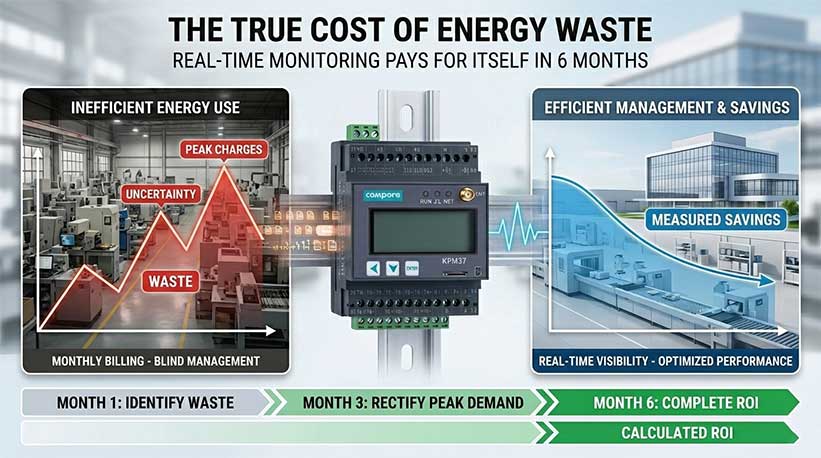
With real-time information, factory managers can identify problems faster instead of waiting until the end of the billing cycle.
Energy data becomes valuable when it supports business decisions. Smart energy management solutions allow factories to analyze historical and real-time consumption data to identify inefficient operations.
This helps companies move from reactive energy management to proactive optimization.
Energy consumption is closely connected with production efficiency. Understanding equipment energy behavior allows factories to optimize operating strategies.
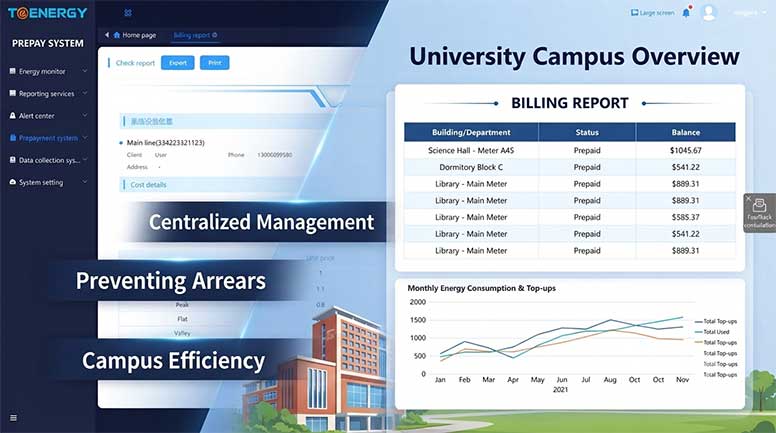
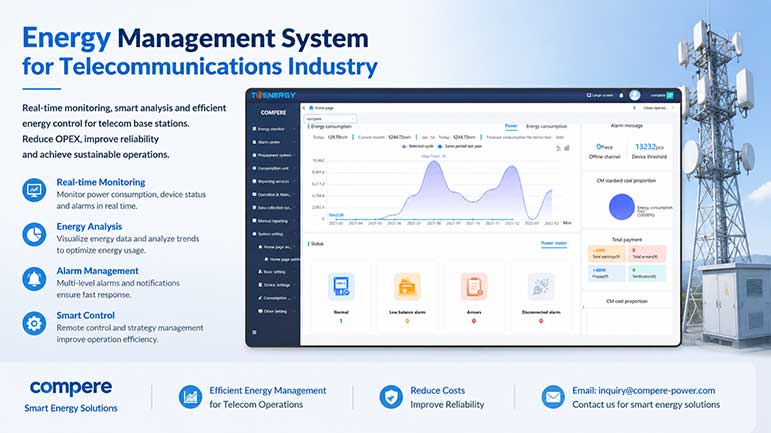
Many factories collect operational data but struggle to use it effectively. A smart energy management platform provides dashboards and reports that make energy information easier to understand.
Factory managers can use energy insights to:
A typical factory energy management process includes several key steps:
Energy monitoring helps manufacturers understand production line consumption and identify opportunities for improving operational efficiency.
Large-scale automotive production requires effective monitoring of machines and automated systems to optimize energy usage.
Real-time monitoring helps maintain stable power management and improve energy control in precision manufacturing.
Energy monitoring solutions help optimize high-energy processes such as refrigeration, processing, and production equipment operation.
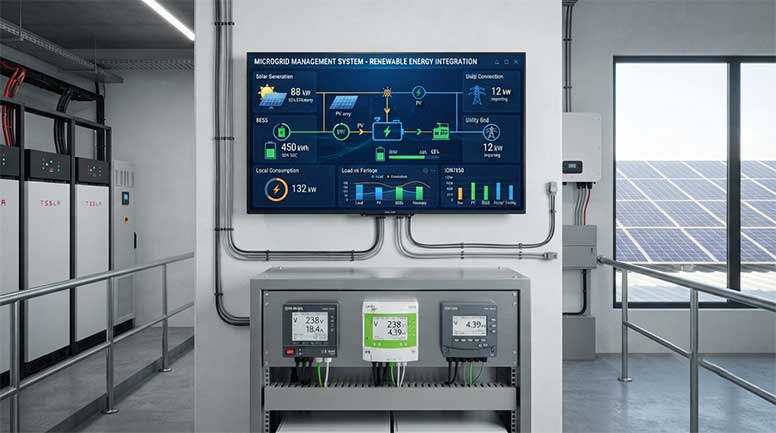
Centralized energy management allows industrial parks to monitor multiple buildings and electrical systems from one platform.
| Factory Challenge | Smart Energy Solution | Business Benefit |
|---|---|---|
| Limited energy visibility | Real-time energy monitoring | Better understanding of energy consumption |
| High electricity costs | Energy data analysis | Reduced unnecessary energy usage |
| Manual meter reading | Automatic data collection | Improved management efficiency |
| Difficult to identify energy waste | Consumption analysis and reports | Faster energy optimization |
| Sustainability requirements | Energy tracking and reporting | Better support for carbon management |
When selecting an energy management solution, factories should consider several important factors:
A complete factory energy management solution usually includes:
Energy management has become a key factor in improving factory competitiveness. Traditional methods based on manual readings and monthly electricity bills cannot provide the detailed information required by modern manufacturing.
A smart energy management system for factories helps companies overcome energy management challenges by providing real-time monitoring, energy analysis, and data-driven optimization.
By improving energy visibility and identifying opportunities for improvement, manufacturers can better control operating costs, improve energy efficiency, and support long-term sustainability goals.
A smart energy management system for factories is a digital solution that helps manufacturers monitor, analyze, and optimize electricity consumption through smart meters, communication devices, and energy monitoring platforms.
Smart energy management systems reduce energy costs by helping factories identify energy waste, monitor consumption patterns, optimize equipment operation, and make better energy management decisions.
Factory energy monitoring systems solve challenges including limited energy visibility, manual meter reading, difficulty identifying energy waste, and lack of detailed consumption analysis.
Yes. These systems provide accurate energy consumption data that helps factories track energy usage, evaluate efficiency improvements, and support carbon reduction strategies.
Have you any problem, please contact us via message