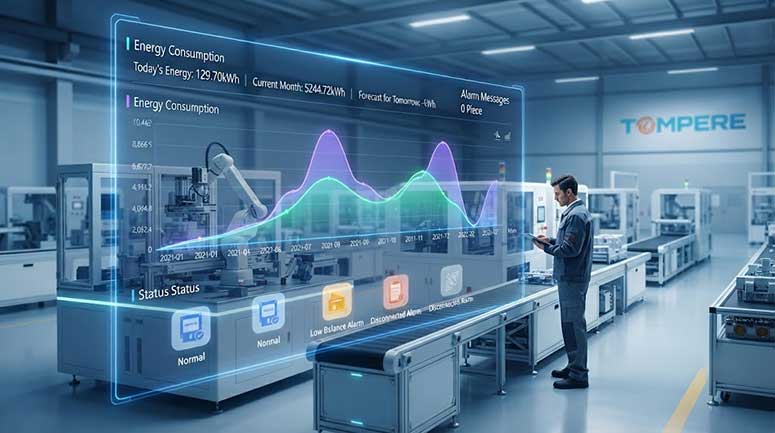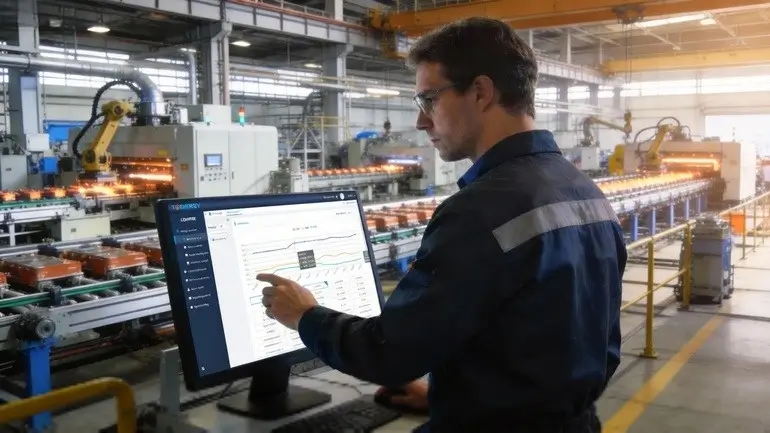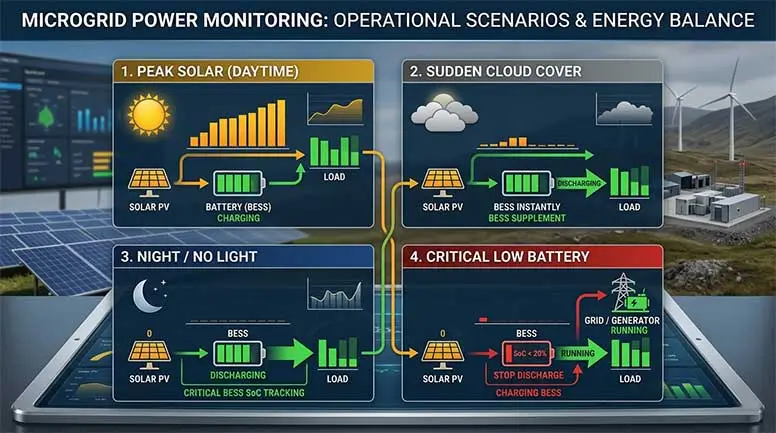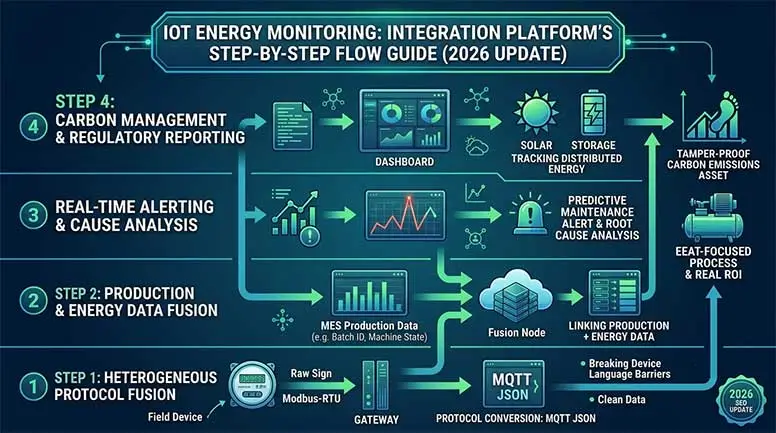

Energy costs have become one of the most important operational challenges for industrial facilities, commercial buildings, and large-scale infrastructure projects. Without accurate energy data and effective monitoring tools, businesses often struggle to identify energy waste, control electricity expenses, and improve overall efficiency.
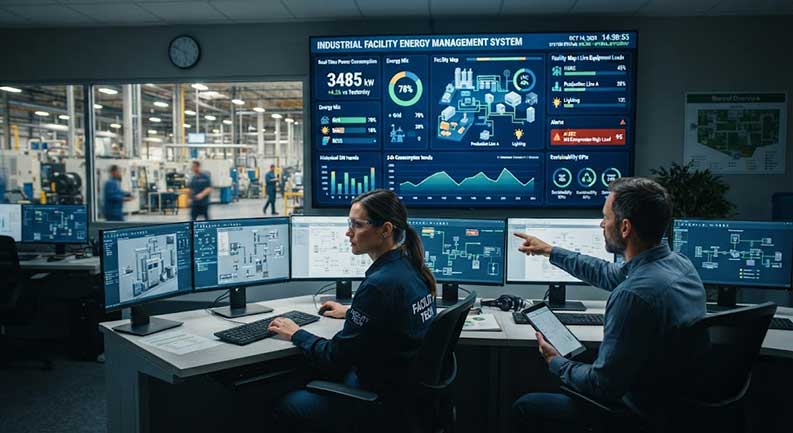
A properly designed Energy Management System (EMS) provides real-time visibility into energy consumption, helping organizations understand where energy is used, detect abnormal consumption patterns, and make data-driven decisions to optimize operations.
However, choosing the right EMS solution requires more than selecting a software platform. Companies need to evaluate measurement capabilities, communication technologies, scalability, system integration, and long-term business requirements.
This guide explains the key factors to consider when selecting an Energy Management System and how smart energy monitoring technologies can help businesses achieve better energy efficiency and operational performance.
An Energy Management System is designed to collect, analyze, and optimize energy data from different equipment, production lines, buildings, or facilities. By transforming raw energy consumption data into actionable insights, an EMS enables organizations to reduce costs and improve energy efficiency.
For many industrial companies, traditional electricity management methods only provide monthly utility bills without detailed information about where and when energy is consumed. This makes it difficult to identify inefficient equipment, unnecessary energy consumption, or potential energy-saving opportunities.
A modern EMS solves these challenges by providing:
Selecting the right Energy Management System requires a clear understanding of your facility’s energy requirements, monitoring objectives, and future expansion plans. The following factors should be carefully evaluated before making a decision.
Before selecting an EMS solution, companies should first define what they want to achieve. Different organizations may have different energy management objectives.
For example, a manufacturing plant may focus on reducing production energy costs, while a commercial building may prioritize tenant energy monitoring and operational efficiency.
Important questions to consider include:
Defining clear objectives helps businesses select an EMS architecture that matches their actual requirements instead of investing in unnecessary features.
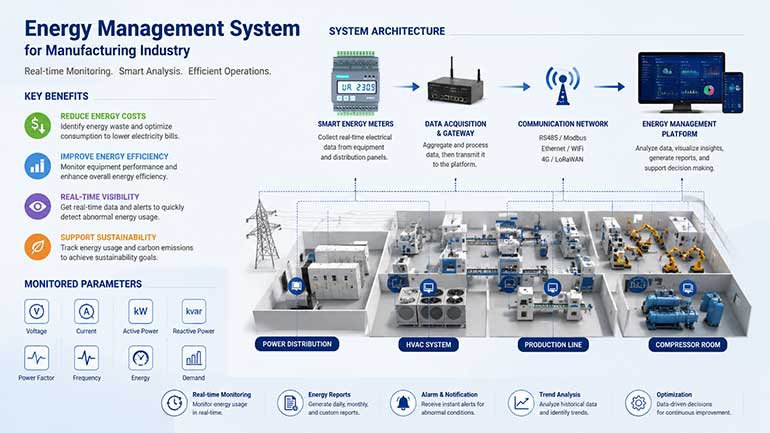
The measurement capability of an Energy Management System directly determines the accuracy and usefulness of energy analysis. High-quality energy monitoring starts with reliable measurement devices, especially smart energy meters installed at important monitoring points.
A complete industrial EMS solution should support:
Smart energy meters are the foundation of an effective Energy Management System. They provide accurate electrical parameters and deliver real-time data to the EMS platform for analysis and optimization.
For industrial applications, selecting meters with suitable accuracy levels and measurement functions is essential because inaccurate data can lead to incorrect energy-saving decisions.
Communication technology is another critical factor when choosing an Energy Management System. Different facilities may require different communication methods depending on installation environments, distance, and infrastructure conditions.
Common communication options include:
| Communication Technology | Application Scenario |
|---|---|
| Modbus RTU | Commonly used for industrial equipment integration and wired communication. |
| Modbus TCP | Suitable for Ethernet-based industrial networks and centralized monitoring. |
| LoRaWAN | Ideal for wireless energy monitoring in large buildings and industrial areas. |
| WiFi | Suitable for commercial buildings and small-scale monitoring applications. |
| 4G | Useful for remote sites without reliable local network infrastructure. |
A flexible EMS should support multiple communication options, allowing businesses to select the most suitable connection method according to their application environment.
A good Energy Management System should not only meet your current requirements but also support future expansion. Many businesses start with monitoring a few electrical circuits or production areas and gradually expand their energy management coverage.
When evaluating EMS scalability, consider whether the system can support:
A scalable EMS prevents companies from replacing their entire energy management infrastructure when their monitoring requirements increase. This reduces long-term investment costs and improves system reliability.
For example, a manufacturing company may initially monitor only its main distribution panels. In the future, it may need to monitor individual machines, workshops, HVAC systems, and auxiliary equipment. A scalable Energy Management System makes this expansion easier.
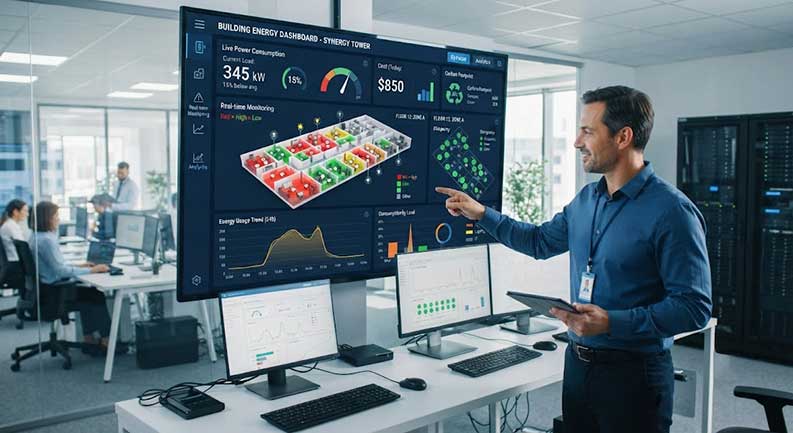
The software platform is the core of an Energy Management System because it converts collected energy data into meaningful information. A powerful EMS platform should provide intuitive dashboards, analysis tools, and reporting functions.
Important software features include:
A user-friendly EMS platform allows energy managers and facility operators to quickly understand energy performance and make improvement decisions without requiring complex technical knowledge.
Modern industrial facilities usually operate multiple digital systems, including automation systems, building management platforms, and enterprise software. Therefore, an Energy Management System should provide strong integration capabilities.
Common integration options include:
Flexible integration ensures that energy data can be used across different departments, helping organizations create a complete digital energy management ecosystem.
Different industries have different energy management requirements. The ideal EMS solution depends on facility size, energy consumption characteristics, and operational objectives.
| Application | Recommended EMS Features |
|---|---|
| Manufacturing Facilities | Real-time production energy monitoring, machine-level measurement, power quality monitoring, and energy efficiency analysis. |
| Commercial Buildings | Tenant energy monitoring, lighting and HVAC energy analysis, centralized dashboards, and remote management. |
| Data Centers | High-accuracy measurement, power quality monitoring, load analysis, and continuous energy performance tracking. |
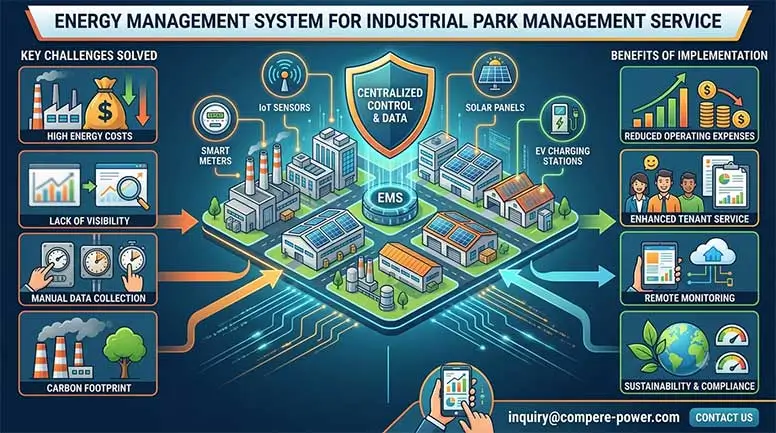
| Industrial Parks | Multi-building monitoring, centralized energy management, wireless communication, and energy cost allocation. |
| Energy Management Companies | Multi-site monitoring, cloud-based platforms, remote operation, and customer energy reporting. |
Although many companies understand the importance of energy management, they may still make mistakes during the EMS selection process. Avoiding these common issues can help ensure a successful implementation.
The lowest-cost solution may not always provide the best value. An EMS with limited measurement functions, poor scalability, or weak software support may create additional costs in the future.
Companies should evaluate the overall value, including hardware reliability, software capability, technical support, and long-term expansion possibilities.
Some businesses select an EMS based only on current needs and fail to consider future development. As energy management requirements increase, a limited system may become difficult to expand.
Selecting a scalable platform from the beginning helps companies avoid expensive system upgrades later.
Different facilities may use different communication standards. Choosing meters or gateways without considering compatibility can result in additional integration difficulties.
Before purchasing an EMS, businesses should confirm whether the system supports existing infrastructure and required communication protocols.
Collecting energy data is only the first step. Without effective analysis tools, companies cannot identify energy-saving opportunities.
A complete EMS should help users transform energy data into practical improvement actions through dashboards, reports, and intelligent analysis.
Smart energy meters play a critical role in modern Energy Management Systems because they provide the measurement foundation required for accurate energy analysis.
Compared with traditional meters, smart energy meters provide:
For industrial facilities, combining smart energy meters with an Energy Management System creates a complete energy monitoring solution. The meters collect electrical data, while the EMS platform analyzes information and provides optimization recommendations.
This combination enables companies to move from traditional energy management based on monthly bills to intelligent energy management based on real-time data.
Choosing the right Energy Management System should follow a structured evaluation process. The following steps can help businesses select a solution that matches their operational needs.
Identify your main objectives, including energy cost reduction, energy monitoring, sustainability goals, or operational optimization.
Determine which areas require monitoring, such as main distribution panels, production equipment, buildings, or individual electrical loads.
Select appropriate smart energy meters and communication technologies according to installation conditions, accuracy requirements, and system architecture.
Review dashboard features, reporting capability, alarm functions, data analysis tools, and user management options.
Ensure the EMS can support future expansion and integrate with existing BMS, SCADA, IoT platforms, or enterprise systems.
Choosing the right Energy Management System requires a comprehensive evaluation of your facility’s energy goals, measurement requirements, communication technologies, software capabilities, and future expansion plans.
A reliable EMS should not only collect energy data but also help businesses understand energy consumption patterns, identify waste, improve operational efficiency, and reduce long-term energy costs.
For industrial facilities, smart energy meters are an essential component of an effective energy management strategy. By combining accurate measurement hardware with intelligent monitoring software, companies can achieve better energy visibility and make data-driven decisions.
Whether you manage a manufacturing plant, commercial building, industrial park, or multi-site facility, selecting a scalable and flexible Energy Management System can provide long-term benefits for energy efficiency and sustainable development.
Before choosing an Energy Management System, businesses should evaluate their energy management objectives, required measurement points, communication requirements, software functions, and future expansion plans. It is important to select an EMS that matches the facility’s actual needs rather than focusing only on initial cost. For industrial applications, measurement accuracy, smart energy meter compatibility, and system scalability are key factors that influence long-term performance.
An Energy Monitoring System mainly focuses on collecting and displaying energy consumption data, while an Energy Management System provides deeper analysis and optimization functions. EMS platforms can analyze energy trends, identify waste, generate reports, provide alarms, and support energy-saving decisions. In many industrial applications, energy monitoring is the foundation, while energy management focuses on improving efficiency and reducing operating costs.
Smart energy meters are the data collection foundation of an Energy Management System. They provide accurate measurements of voltage, current, power, energy consumption, and other electrical parameters. By transmitting real-time data to the EMS platform, smart meters help businesses monitor energy usage, detect abnormal consumption, and identify opportunities for improving energy efficiency.
The suitable communication protocol depends on the application environment and system requirements. Modbus RTU is commonly used in industrial automation systems, while LoRaWAN, WiFi, and 4G communication are suitable for wireless or remote monitoring applications. A flexible Energy Management System should support multiple communication options to ensure reliable data transmission and easy system integration.
Our engineering team can help you select the right smart energy meters and energy monitoring solutions based on your industrial application requirements.
Have you any problem, please contact us via message