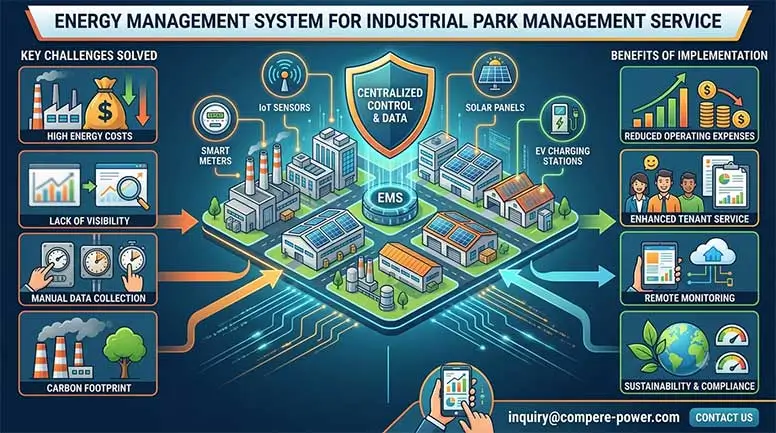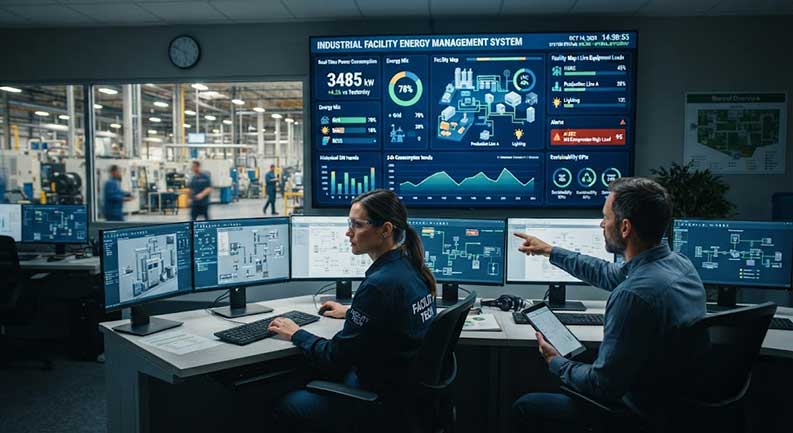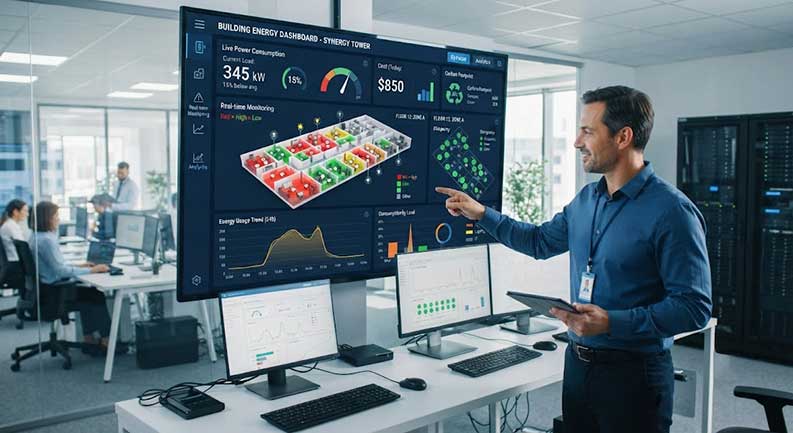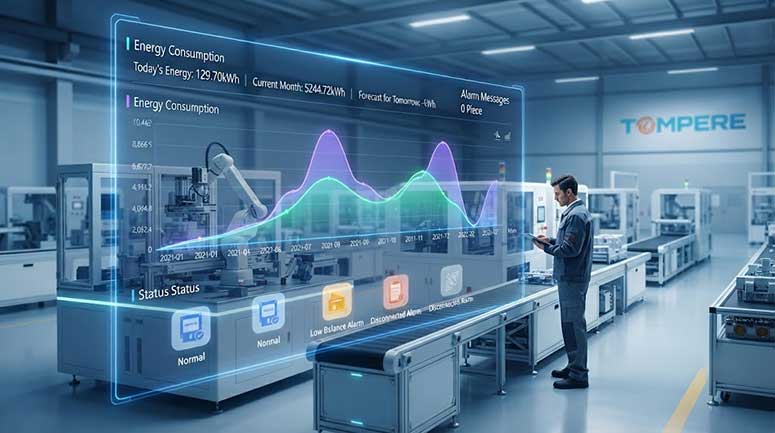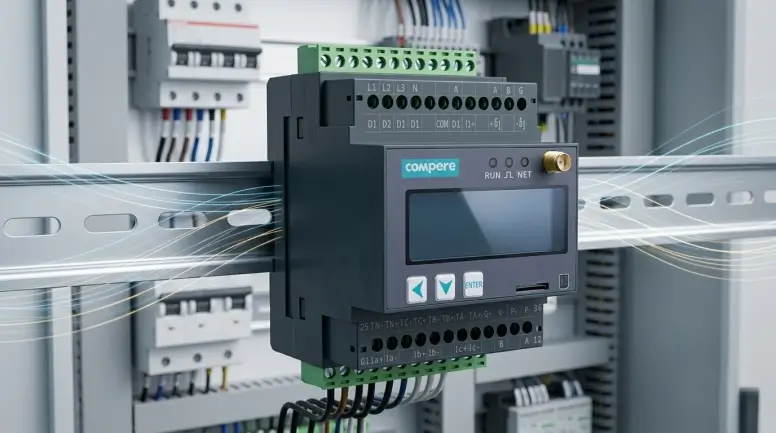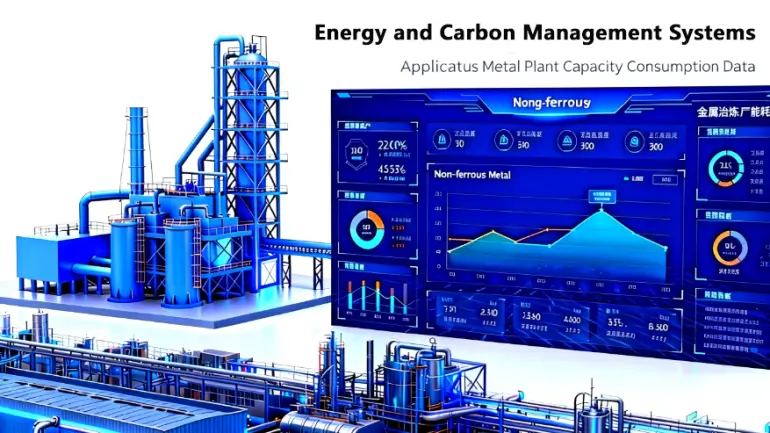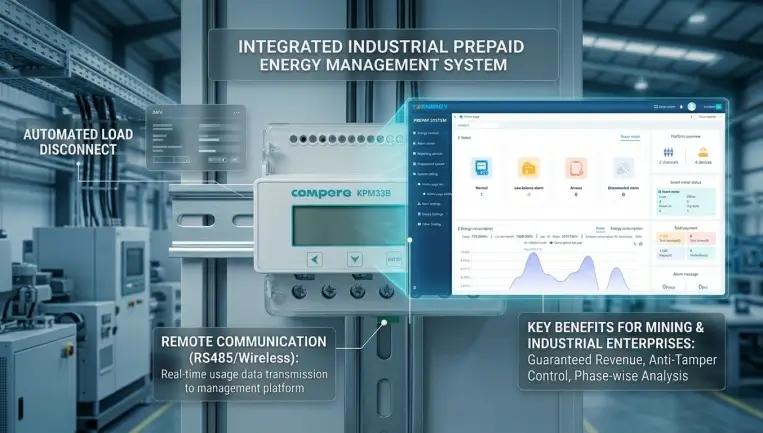

Manufacturing industries are among the largest energy consumers worldwide. From production machines and HVAC systems to compressors, motors, and automated equipment, factories require a continuous supply of electricity to maintain daily operations. However, many manufacturers still face challenges such as high energy costs, limited consumption visibility, and inefficient energy utilization.
An Energy Management System for Manufacturing Industry provides a smart solution by collecting real-time energy data, analyzing consumption patterns, identifying energy waste, and helping companies optimize their operations.
By integrating smart energy meters, power monitoring devices, communication technologies, and energy management software, manufacturers can achieve better control over energy consumption and improve overall operational efficiency.
Unlike traditional energy monitoring methods that only record total electricity usage, modern industrial energy management systems provide detailed insights into where, when, and how energy is consumed across factories, production lines, and individual machines.
For manufacturing companies looking to reduce operational costs, improve sustainability, and move toward smart factory transformation, an energy management system has become an essential tool.
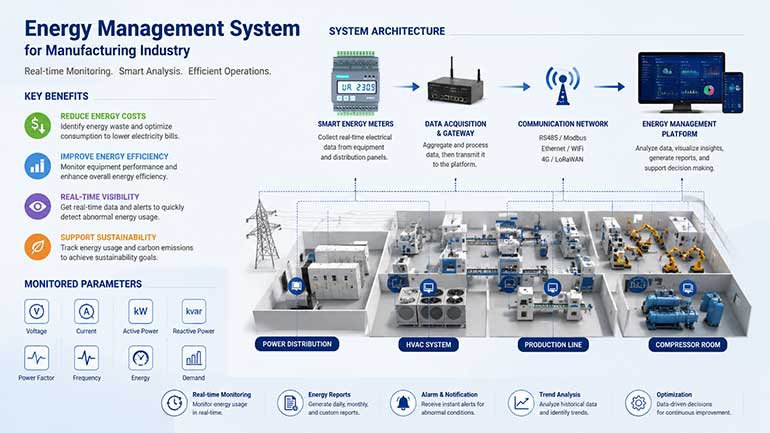
An Energy Management System for Manufacturing Industry is an integrated digital solution designed to monitor, analyze, and optimize energy consumption within industrial facilities.
The system combines hardware devices, communication networks, and software platforms to create a complete energy monitoring and optimization process.
A typical industrial energy management system includes:
The main purpose of an energy management system is not only to measure electricity consumption but also to help manufacturers understand energy usage patterns and make data-driven decisions.
For example, a factory may discover through energy monitoring that a production machine consumes excessive electricity during standby periods. With this information, managers can adjust operating schedules, optimize equipment usage, and reduce unnecessary energy consumption.
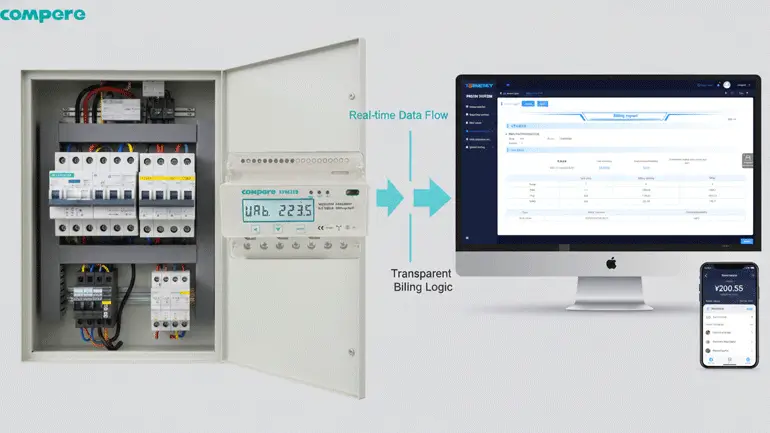
The first step of an industrial energy management system is collecting accurate electricity consumption data from different areas of the factory.
Smart energy meters installed in distribution panels, production lines, or critical equipment measure important electrical parameters including:
This detailed measurement provides the foundation for energy analysis and optimization.
After collecting energy data, information is transmitted to the energy management platform through different industrial communication methods.
Common communication technologies include:
For large manufacturing facilities, wireless IoT energy monitoring solutions can reduce installation costs and avoid complex wiring work, especially in existing factories where electrical infrastructure already exists.
The energy management platform analyzes collected data and converts it into meaningful information for factory managers and energy engineers.
Manufacturers can monitor:
Through data analysis, energy managers can quickly identify inefficient operations and discover potential energy-saving opportunities.
The final goal of an energy management system is improving energy efficiency and reducing unnecessary energy consumption.
Based on monitoring results, manufacturers can:
This transforms energy management from a passive recording process into an active optimization strategy.
Manufacturing equipment such as motors, compressors, furnaces, CNC machines, and production lines consume significant amounts of electricity.
However, many factories only know their total electricity consumption from monthly utility bills. They cannot identify which machines or production processes consume the most energy.
Without detailed energy monitoring, manufacturers cannot easily answer questions such as:
An industrial energy management system provides multi-level energy visibility, from factory-level consumption down to individual machines.
Traditional energy monitoring methods usually provide limited information and delayed feedback.
Manufacturers may only discover abnormal energy consumption after receiving monthly electricity bills.
With real-time monitoring, companies can immediately identify:
Real-time energy visibility allows factories to respond quickly and prevent unnecessary energy losses.
Energy costs represent a significant portion of manufacturing operational expenses. With increasing electricity prices, peak demand charges, and stricter energy efficiency requirements, manufacturers need better ways to control and optimize electricity consumption.
An Energy Management System for Manufacturing Industry helps companies understand their energy usage patterns and develop effective strategies to reduce electricity expenses.
Manufacturers can use energy management data to:
By using accurate energy data instead of assumptions, factory managers can make smarter decisions and achieve measurable energy savings.
Energy waste is often hidden in daily manufacturing operations. Without detailed monitoring, many factories cannot identify where energy losses occur.
Common energy waste problems include:
An industrial energy management system provides detailed energy insights that help companies locate waste sources and implement targeted improvements.
Manufacturing companies are increasingly adopting digital transformation strategies to improve production efficiency and achieve sustainability goals.
Energy management is a critical part of smart factory development because energy consumption directly impacts production costs and carbon emissions.
Modern energy management systems support manufacturers by providing:
By implementing an energy management system, manufacturers can build a more efficient, transparent, and sustainable production environment.
Real-time monitoring is one of the most important functions of an industrial energy management system. It allows manufacturers to understand electricity consumption instantly instead of waiting for monthly utility reports.
Smart energy meters installed throughout the factory collect electrical data and send information to the energy management platform.
Typical monitored parameters include:
With real-time monitoring, energy managers can quickly detect abnormal consumption and take corrective actions.
Manufacturing facilities usually contain multiple production areas, machines, and electrical systems. A powerful energy management system should support multi-level energy analysis.
Energy monitoring can be performed at different levels:
| Monitoring Level | Purpose |
|---|---|
| Factory Level | Analyze total energy consumption and overall efficiency |
| Production Line Level | Compare energy usage between different manufacturing processes |
| Machine Level | Identify inefficient equipment and abnormal energy consumption |
This detailed analysis helps manufacturers understand energy performance throughout the entire production process.
Energy management systems do more than monitor electricity usage. They help manufacturers optimize operations and reduce unnecessary consumption.
Through energy analysis, companies can:
These improvements help manufacturers achieve continuous energy efficiency improvements.
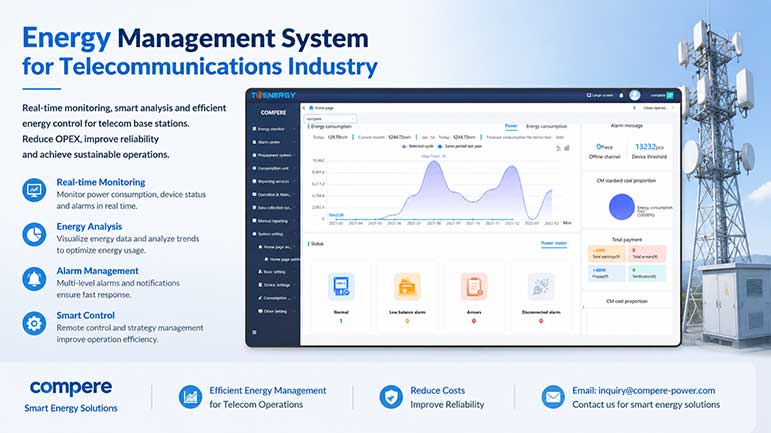
A modern energy management platform provides intuitive dashboards and reports that make complex energy data easier to understand.
Energy managers can access:
Clear data visualization allows decision-makers to quickly understand energy performance and develop improvement strategies.
Many factories operate hundreds of machines, making it difficult to manually identify energy inefficiencies.
An energy management system continuously monitors equipment energy performance and helps identify machines with abnormal consumption patterns.
Manufacturers can then take actions such as:
Electricity bills in many regions include demand charges based on peak power consumption.
Energy management systems help factories monitor demand loads and avoid unnecessary peak demand by optimizing equipment operation schedules.
Energy data can help manufacturers understand when and how energy is consumed.
Factories can optimize production schedules by:
Changes in equipment energy consumption can indicate potential operational problems.
By analyzing energy trends, manufacturers can detect abnormal conditions earlier and improve maintenance efficiency.
Automotive factories use large numbers of robots, welding equipment, painting systems, and automated production lines.
Energy management systems help automotive manufacturers monitor energy-intensive processes, optimize production efficiency, and reduce operational costs.
Food processing facilities rely heavily on refrigeration, heating, and processing equipment.
Energy monitoring helps identify excessive energy consumption from cooling systems, production equipment, and auxiliary systems.
Electronics factories require stable power supply and precise energy monitoring due to sensitive production environments.
Energy management systems help monitor power quality, improve equipment reliability, and optimize energy usage.
Metal manufacturing processes such as melting, cutting, and machining consume large amounts of electricity.
Energy management solutions help companies analyze energy-intensive processes and improve energy efficiency.
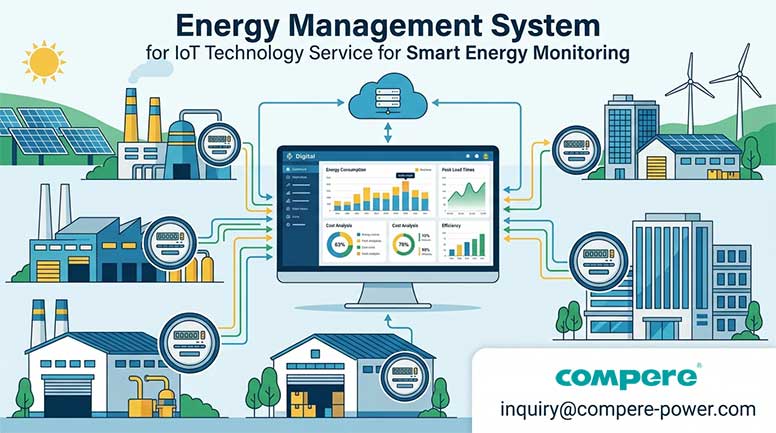
A typical industrial energy management system architecture consists of multiple layers, from field measurement devices to cloud-based energy analytics platforms.
This architecture enables manufacturers to collect accurate energy data and transform it into valuable insights for improving factory efficiency.
Choosing the right Energy Management System for Manufacturing Industry is an important decision for factories that want to improve energy efficiency and reduce operational costs. A suitable solution should not only provide accurate measurement but also support future expansion and smart factory development.
When selecting an industrial energy management system, manufacturers should consider the following factors:
Accurate energy measurement is the foundation of effective energy management. The system should use reliable smart energy meters and power monitoring devices capable of measuring important electrical parameters with high accuracy.
Accurate data ensures that manufacturers can identify energy waste, analyze consumption patterns, and make reliable optimization decisions.
A modern energy management system should provide real-time monitoring instead of only collecting historical electricity data.
Real-time visibility allows factory managers to quickly identify abnormal consumption, equipment problems, and unexpected energy losses.
Manufacturing facilities often contain different types of electrical equipment and automation systems. Therefore, the energy management solution should support common industrial communication protocols.
Flexible communication options make system integration easier and reduce installation limitations.
A manufacturing facility may expand production capacity or add new equipment in the future. The selected energy management system should be scalable and able to support additional meters, production lines, and monitoring points.
A scalable solution protects the initial investment and supports long-term energy management goals.
Depending on business requirements, manufacturers can choose between cloud-based and local energy management platforms.
| Deployment Type | Advantages |
|---|---|
| Cloud Energy Management System | Remote access, centralized data management, easier multi-site monitoring |
| Local Energy Management System | On-site data control, suitable for factories requiring independent operation |
Traditional energy monitoring methods usually focus on collecting basic electricity consumption data, while modern energy management systems provide advanced analysis, optimization, and decision support.
| Feature | Traditional Energy Monitoring | Energy Management System |
|---|---|---|
| Data Collection | Manual meter reading or basic electricity records | Automatic real-time data collection through smart meters |
| Monitoring Method | Limited historical information | Real-time monitoring and visualization dashboards |
| Energy Analysis | Basic consumption statistics | Detailed analysis by factory, production line, and equipment |
| Waste Detection | Difficult to identify energy losses | Automatically detects abnormal consumption patterns |
| Decision Making | Based on experience and estimation | Based on accurate energy data and analytics |
For modern manufacturing companies, an energy management system provides deeper insights and enables continuous improvement of energy efficiency.
The Internet of Things (IoT) is transforming industrial energy management. Wireless smart meters and IoT communication technologies allow factories to deploy energy monitoring systems faster and with lower installation costs.
Artificial intelligence will play an increasingly important role in energy management. AI algorithms can analyze large amounts of energy data, identify consumption patterns, and recommend optimization strategies automatically.
Future energy management systems will become an important part of smart manufacturing ecosystems. They can integrate with industrial automation systems, production management platforms, and equipment monitoring solutions.
As global industries focus more on carbon reduction, energy management systems will help companies track energy performance, calculate carbon emissions, and support sustainability strategies.
An Energy Management System for Manufacturing Industry is a digital solution that monitors, analyzes, and optimizes energy consumption in factories. It uses smart energy meters, communication technologies, and software platforms to collect real-time energy data and help manufacturers improve energy efficiency.
An energy management system improves factory energy efficiency by identifying energy waste, monitoring equipment performance, optimizing production schedules, and providing data-driven recommendations. Manufacturers can reduce unnecessary electricity consumption and improve overall operational efficiency.
A typical industrial energy management system includes smart energy meters, power monitoring devices, communication gateways, industrial networks, and an energy management software platform. These components work together to collect, transmit, and analyze energy consumption data.
Yes. By providing detailed energy consumption analysis, an energy management system helps factories identify inefficient equipment, reduce peak demand charges, optimize operations, and eliminate unnecessary energy waste, resulting in lower electricity costs.
Industrial energy management systems commonly use communication technologies such as RS485, Modbus, Ethernet, WiFi, 4G, and LoRaWAN. The best communication method depends on factory size, installation conditions, and monitoring requirements.
Smart energy meters provide accurate and real-time electrical data, including voltage, current, power, power factor, and energy consumption. They are the foundation of an energy management system because reliable data is essential for energy analysis and optimization.
Reduce energy waste, optimize factory operations, and gain complete visibility into your energy consumption with an advanced industrial energy management system.
Whether you are upgrading an existing factory or building a new smart manufacturing facility, a professional energy management solution can help you achieve higher efficiency and lower operating costs.
Request a Free Energy AssessmentHave you any problem, please contact us via message