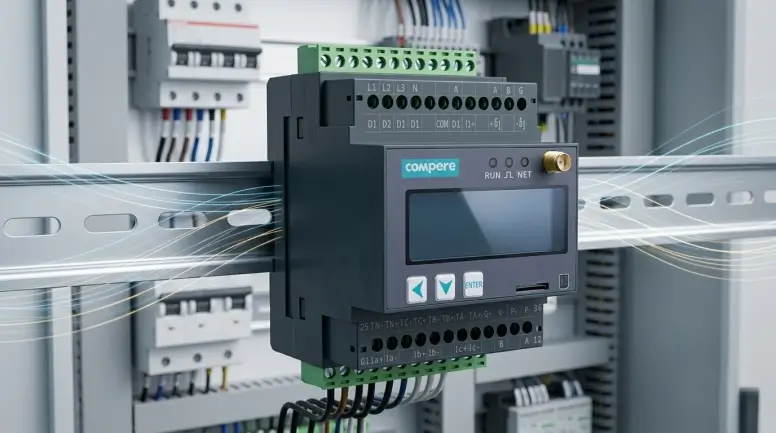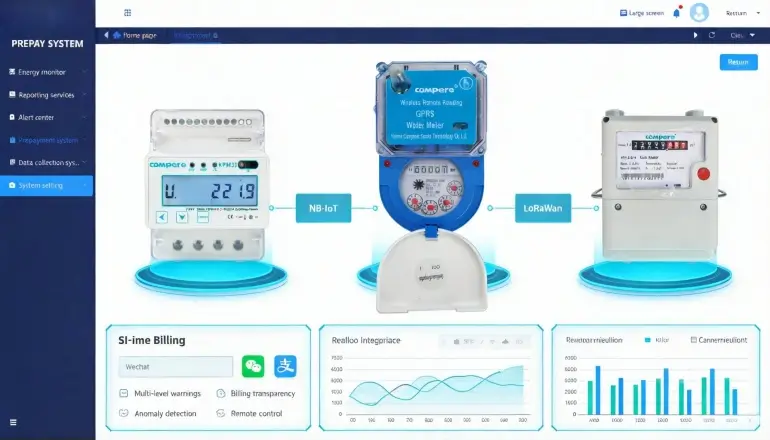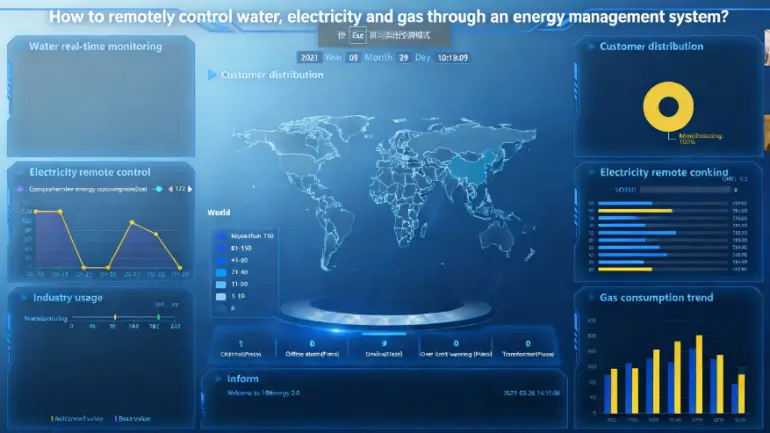

What accuracy class is required for industrial energy management systems? For most industrial energy management systems, 0.5S accuracy class energy meters are the recommended choice because they provide reliable measurement performance for factory energy monitoring, consumption analysis, and cost management. For critical measurement points requiring higher precision, such as main incoming power monitoring and detailed energy performance evaluation, 0.2S accuracy class meters are commonly selected. The best accuracy class depends on monitoring objectives, installation location, and project requirements.
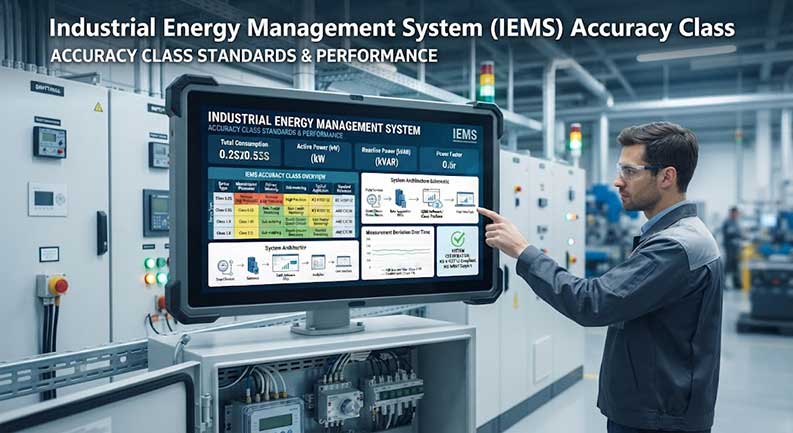
Industrial companies are increasingly implementing energy management systems to improve energy efficiency, reduce operational costs, and achieve better control over electricity consumption. However, the effectiveness of an energy management system depends on one fundamental factor: the accuracy and reliability of collected energy data.
Many factories install smart energy meters and monitoring platforms but struggle to achieve meaningful energy improvements because the measurement devices are not properly selected. If the energy meter accuracy class is too low, the collected data may not accurately represent actual energy consumption. If the accuracy level is unnecessarily high, the project investment may increase without providing additional value.
Selecting the correct accuracy class for industrial energy management systems requires a balance between measurement requirements, application scenarios, and total project cost.
Energy management decisions in industrial facilities depend on accurate electricity consumption information. Factory managers and energy engineers need reliable data to identify energy waste, analyze equipment performance, and evaluate energy-saving opportunities.
When measurement errors are significant, companies may have difficulty understanding where energy is consumed and which processes require optimization. For example, inaccurate monitoring of production lines or high-power equipment can affect energy consumption analysis and make it harder to verify improvement results.
High accuracy energy meters for industrial applications provide a reliable data foundation for energy analysis, helping companies make better decisions based on actual operating conditions rather than estimated values.
An industrial energy management system usually contains multiple measurement points, including incoming power monitoring, distribution-level monitoring, and equipment-level monitoring. Each location has different measurement purposes and accuracy requirements.
The main incoming power point represents the total electricity consumption of a factory or industrial facility. Because this data is often used for overall energy performance evaluation and cost management, higher accuracy measurement is usually preferred.
Distribution circuits may focus on comparing energy usage between different production areas or departments. Equipment-level monitoring is often used for analyzing machine efficiency and identifying specific energy-saving opportunities.
Therefore, industrial energy meter accuracy class selection should be based on the importance of each monitoring point instead of applying the same accuracy requirement everywhere.
Choosing an unsuitable accuracy class can create two common problems for industrial energy management projects.
First, using meters with insufficient accuracy may result in unreliable energy data. This can affect energy consumption analysis, internal cost allocation, and evaluation of energy-saving projects.
Second, selecting higher accuracy meters for every monitoring point may increase equipment costs without creating meaningful benefits. Not every measurement location requires the highest precision level.
A practical industrial electricity monitoring solution should apply different accuracy levels according to measurement objectives. Critical points require higher accuracy, while general monitoring points can use economical solutions that still provide dependable data.
For many industrial buyers, selecting the right energy meter accuracy class can be challenging because technical requirements vary between different applications.
A successful energy management project requires more than selecting a meter from a product catalog. Companies need professional recommendations based on:
Working with an experienced industrial energy solution provider helps companies select suitable smart energy meters and build an effective energy monitoring system.
Accuracy class directly affects the reliability of energy data collected by an industrial energy management system. In industrial environments, energy data is not only used for displaying electricity consumption but also for analyzing operating efficiency, controlling energy costs, and identifying improvement opportunities.
When energy meters provide inaccurate measurements, the entire energy analysis process may be affected. Incorrect consumption data can lead to wrong conclusions about equipment performance, inefficient energy-saving decisions, and difficulty evaluating the actual results of improvement projects.
For factories and industrial facilities, the purpose of selecting a suitable energy meter accuracy class is not simply to achieve the highest possible precision. The goal is to ensure that measurement accuracy matches the importance of each monitoring point and provides valuable data for energy management decisions.
A properly selected accuracy class helps industrial companies achieve:
Choosing the correct accuracy class for an industrial energy management system requires evaluating the purpose of measurement, installation location, and project investment requirements. A practical selection strategy ensures that companies receive reliable energy data without unnecessary equipment costs.
The required accuracy class depends on what the collected energy data will be used for. Different monitoring objectives require different levels of measurement performance.
For general electricity consumption monitoring, companies may only need basic measurement accuracy to understand overall energy trends. However, applications involving detailed energy analysis, internal energy cost allocation, or performance comparison require higher accuracy measurement.
Typical monitoring purposes include:
Understanding the purpose of each measurement point is the first step in energy meter accuracy class selection.
The installation position inside an industrial power system also determines the required accuracy level.
Incoming power measurement points usually require higher accuracy because they represent the total electricity consumption of a facility. Accurate measurement at this level supports energy cost management and overall energy performance evaluation.
Distribution circuits typically require a balance between accuracy and cost because many measurement points may exist throughout a factory. Equipment-level monitoring depends on whether the company needs detailed analysis of individual machines or production processes.
A common approach for industrial energy management systems is:
Higher accuracy energy meters generally provide better measurement performance, but they may also increase project investment. Therefore, industrial companies should avoid selecting the highest accuracy class for every application without considering actual requirements.
The most effective approach is to create an accuracy strategy based on measurement importance. Critical energy measurement points should use higher accuracy meters, while secondary monitoring points can use economical solutions that still provide reliable data.
This balanced approach helps companies build a scalable industrial power monitoring system with optimized investment and long-term value.
Among industrial energy monitoring projects, 0.2S and 0.5S accuracy class energy meters are commonly considered for applications requiring reliable measurement performance. The selection depends on the importance of the measurement point and the required analysis depth.
| Accuracy Class | Typical Application | Recommended Use in Industrial Energy Management |
|---|---|---|
| 0.2S | Main incoming power measurement, critical energy monitoring points | High precision measurement where accurate energy evaluation and detailed analysis are required |
| 0.5S | Factory energy monitoring, distribution monitoring, energy management systems | Preferred choice for most industrial energy management applications due to accuracy and cost balance |
| 1.0 | Basic consumption monitoring and general applications | Suitable for simple energy tracking where advanced analysis is not required |
For most factories, 0.5S accuracy class meters provide the right balance between measurement reliability and project cost. They are widely suitable for factory energy monitoring systems that require dependable consumption data for analysis and optimization.
0.2S accuracy class meters are more suitable for critical measurement points where even small measurement deviations may influence energy performance evaluation or cost management decisions.
Manufacturing facilities often contain multiple production lines, machines, and electrical systems with different energy consumption characteristics. Accurate energy meters help companies monitor production line consumption, compare energy performance, and identify inefficient processes.
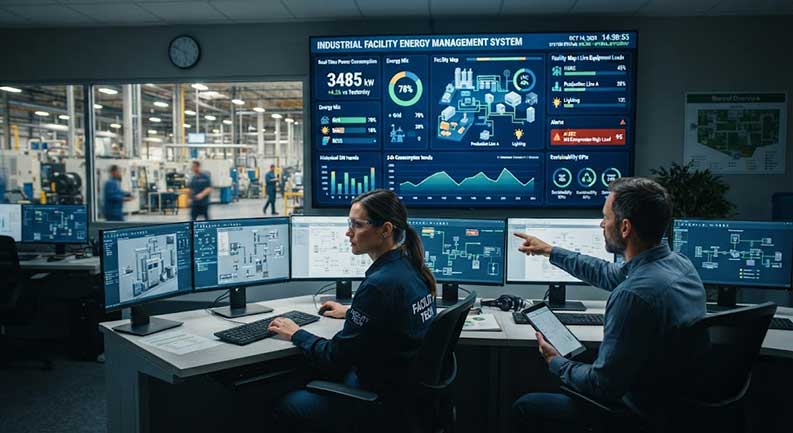
A factory energy monitoring system using suitable accuracy class meters provides engineers with reliable information for improving production efficiency and reducing unnecessary energy waste.
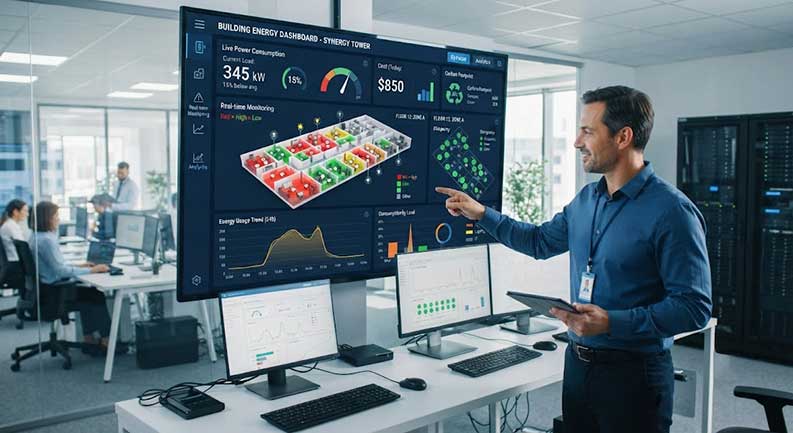
Industrial buildings such as factories, warehouses, and large facilities require energy monitoring across different areas. Energy meters installed in different sections can help managers compare electricity consumption and understand usage patterns.
Accurate measurement supports better energy planning and helps facility teams optimize electricity usage across different operational areas.
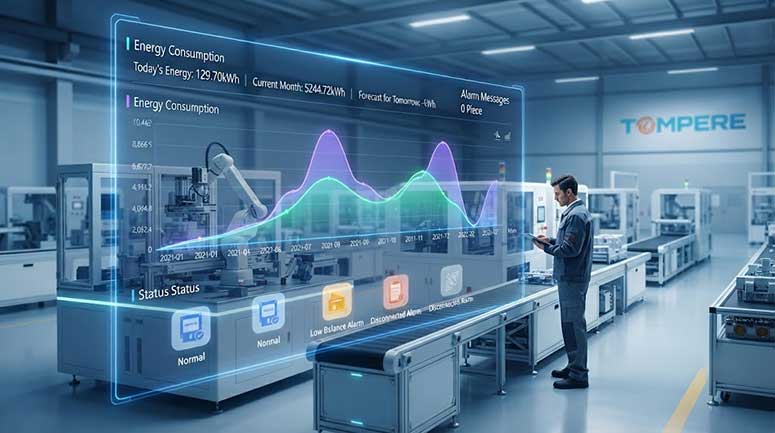
Energy-saving retrofit projects require accurate before-and-after measurement to evaluate improvement results. Without reliable energy data, it is difficult to confirm whether optimization measures have achieved expected benefits.
High-quality energy measurement helps engineers identify energy-saving opportunities and verify the performance of upgraded systems.
Monitoring individual machines allows companies to understand equipment energy efficiency and identify abnormal consumption patterns.
Suitable accuracy class energy meters provide detailed consumption data for machine performance analysis and continuous energy optimization.
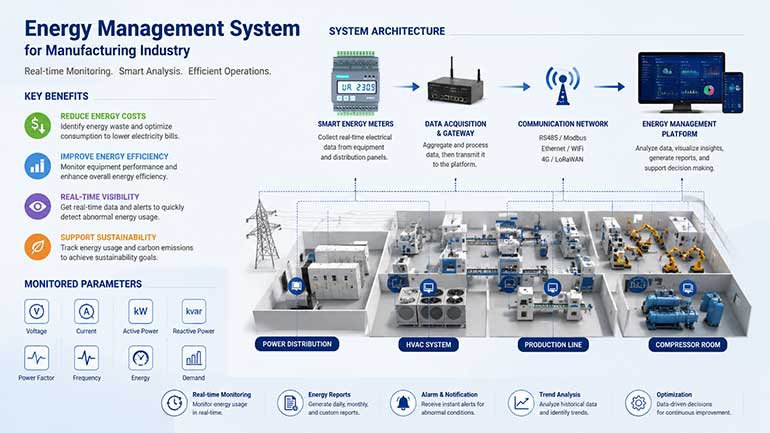
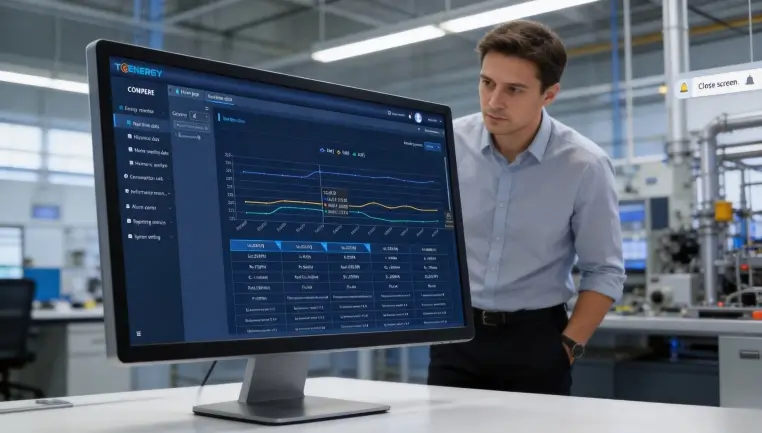
A complete industrial energy management system requires more than accurate measurement devices. It needs a combination of reliable smart energy meters, stable data communication, and an effective energy management platform to transform electricity data into valuable insights.
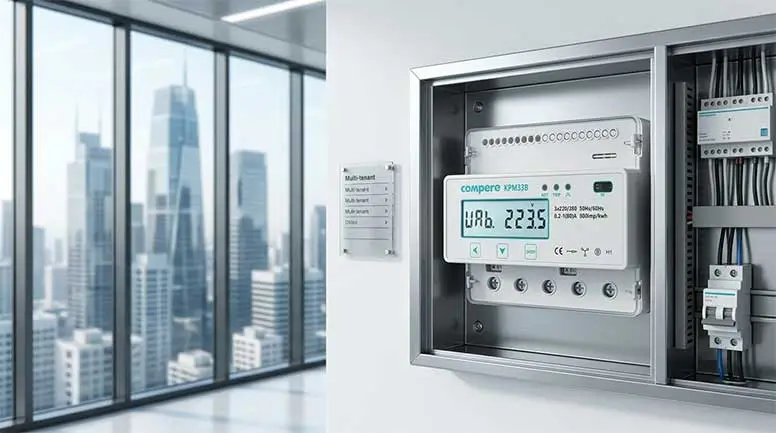
A suitable smart energy meter solution helps industrial companies collect accurate energy consumption information from different monitoring points and use this data for analysis, optimization, and long-term energy management.
The typical workflow of an industrial energy monitoring solution includes:
Accurate Measurement
↓
Data Collection
↓
Energy Analysis
↓
Energy Optimization
The foundation of an effective energy management system is accurate electricity measurement. Selecting the correct energy meter accuracy class ensures that collected data reflects actual energy consumption conditions.
Different monitoring points can use different accuracy levels according to their importance, allowing companies to achieve reliable measurement performance while maintaining reasonable project investment.
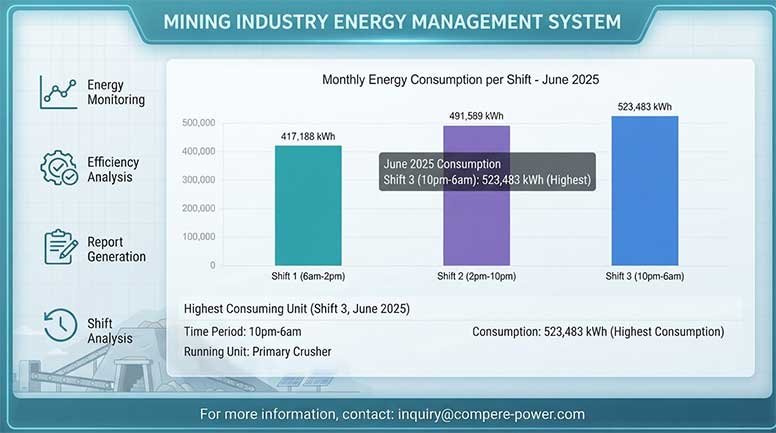
Smart energy meters continuously collect electricity consumption information from industrial facilities. This data provides visibility into energy usage patterns across production areas, equipment, and different operational processes.
Reliable data collection allows energy managers to understand consumption trends and identify areas with potential energy-saving opportunities.
Collected energy data can be analyzed to evaluate consumption efficiency, compare different production areas, and detect abnormal energy usage.
With accurate measurement data, industrial companies can make decisions based on actual energy performance instead of assumptions.
The final goal of an industrial energy management system is improving energy efficiency. Accurate energy data helps companies implement targeted optimization strategies, reduce unnecessary consumption, and improve overall operational performance.
Selecting the right accuracy class energy meters provides measurable value for industrial companies by improving energy visibility and supporting better management decisions.
Accurate energy meters provide a clear view of electricity consumption across factories, buildings, production lines, and equipment. This visibility helps energy managers understand where electricity is used and how consumption changes over time.
Reliable measurement data helps identify inefficient equipment operation, unnecessary energy consumption, and areas where improvements can be made.
By understanding actual consumption patterns, companies can develop targeted energy-saving strategies instead of applying general solutions.
Energy managers need trustworthy information when planning efficiency improvements. Accurate energy data supports better decisions regarding equipment upgrades, operational adjustments, and energy management strategies.
High-quality measurement improves the accuracy of energy analysis reports. Companies can compare consumption between different areas, evaluate production efficiency, and track the results of energy-saving projects.
Energy-saving projects require reliable measurement before and after improvements. Accurate energy meters help verify actual performance changes and provide evidence of energy reduction results.
Choosing the right supplier is an important part of building a successful industrial energy management system. A reliable supplier should provide not only energy meters but also technical support and application guidance throughout the project.
Industrial energy projects often involve different electrical environments and monitoring requirements. A professional supplier should be able to provide:
Technical support helps customers avoid incorrect product selection and ensures that energy meters are applied effectively.
Different industrial projects have different requirements. A reliable supplier should have the ability to provide customized solutions based on:
Flexible solutions allow companies to build energy monitoring systems that match their actual operational needs.
Practical industrial experience is an important factor when selecting an energy meter supplier. Suppliers familiar with factory energy monitoring applications can better understand real project challenges and provide suitable recommendations.
Companies should consider supplier experience in:
For most industrial energy management systems, 0.5S accuracy class energy meters are commonly recommended because they provide a good balance between measurement reliability and project cost. Critical measurement points may require 0.2S accuracy class meters for higher precision.
Not always. Higher accuracy provides better measurement performance, but it may increase project costs. The best choice is to select the accuracy class based on monitoring importance, application requirements, and expected benefits.
0.2S energy meters provide higher measurement accuracy and are suitable for critical measurement points. 0.5S energy meters are widely used in industrial energy management systems because they provide reliable performance with a more practical cost balance.
The selection should consider the monitoring purpose, installation location, required analysis level, and project budget. Main power monitoring usually requires higher accuracy, while general monitoring points may use standard accuracy solutions.
Choosing the correct accuracy class is essential for building a reliable industrial energy management system. Our engineering team can help you evaluate your monitoring requirements, recommend suitable accuracy class energy meters, and provide customized energy monitoring solutions.
Discuss your energy monitoring requirements and receive professional engineering support:
[email protected]Have you any problem, please contact us via message